
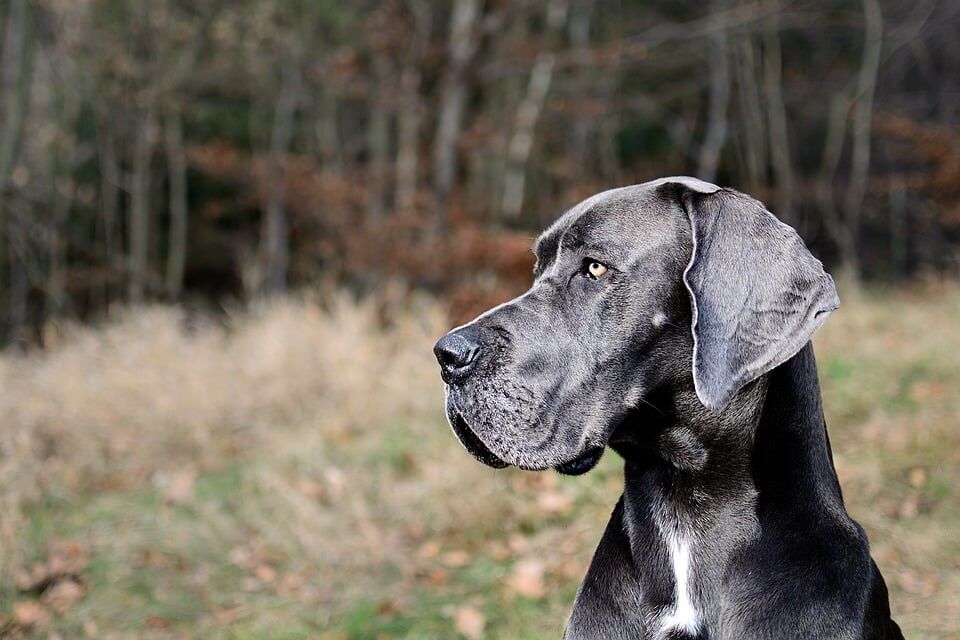
Great Danes: Gentle Giants That Steal Hearts and Homes
When you think of gentle giants, one breed immediately comes to mind: the Great Dane. Known for their impressive size and sweet disposition, these magnificent dogs have been cherished companions for centuries. Their majestic presence often commands attention, yet their gentle hearts quickly win over anyone who crosses their paths. This article will explore the history, temperament, grooming needs, and health considerations of Great Danes, alongside their suitability for various households. Additionally, we’ll discuss their potential role as emotional support animals (ESAs) and the myriad benefits they provide for mental and emotional well-being.
Overview of Great Danes
History
The Great Dane is a breed steeped in history, believed to have originated from ancient hunting dogs in the Mediterranean. Initially bred for hunting wild boar, their lineage can be traced back to the Mastiff and Greyhound. Over the centuries, Great Danes have evolved from fierce hunters to beloved family pets, reflecting a deep connection with human companionship.
Temperament and Personality Traits
Great Danes are often described as “gentle giants” due to their calm and loving demeanor. Despite their imposing size, they are known for their affectionate nature. Here are some key personality traits:
- Friendly: They are sociable and tend to get along well with children and other animals.
- Loyal: Great Danes form strong bonds with their families and are protective of their loved ones.
- Playful: They retain a childlike energy well into adulthood, enjoying playtime and fetch.
Grooming Needs
Despite their size, Great Danes have short coats that require minimal grooming. Here are some tips to keep them looking their best:
- Brushing: A weekly brush with a rubber curry brush will help remove loose hair and keep their coat shiny.
- Baths: They don’t require frequent baths; once every few months is usually adequate.
- Nail trimming: Regular nail clipping is important to keep their feet healthy and comfortable.
Health Considerations
While Great Danes are generally healthy, they are prone to certain health issues due to their large size. Some common concerns include:
- Bloat: This is a serious condition that can occur in large dogs like Great Danes. Signs include restlessness, a swollen stomach, and unproductive attempts to vomit.
- Hip Dysplasia: A genetic condition where the hip joint doesn’t fit properly, leading to arthritis or lameness.
- Heart issues: Great Danes are susceptible to certain heart problems, so regular vet check-ups are essential.
Suitability for Different Households
Great Danes can adapt to various living environments, but they do better in homes where they have space to move around. They may not be ideal for small apartments unless owners are committed to providing adequate exercise. Families with children or other pets often find Great Danes to be patient playmates, making them excellent family dogs.
Training and Socialization Tips
Training a Great Dane requires patience and consistency. Here are some tips:
- Start Early: Begin training when they are puppies, focusing on basic commands like “sit,” “stay,” and “come.”
- Socialization: Expose them to different environments, people, and pets. This helps reduce anxiety and fearfulness in new situations.
- Positive Reinforcement: Use treats and praise as rewards for good behavior. This encourages them to respond positively during training sessions.
Emotional Support Animals Explained
An emotional support animal (ESA) is a pet that provides comfort and support to individuals dealing with emotional or psychological conditions. Unlike service animals, ESAs do not need specific training to perform tasks. Instead, their mere presence can offer a calming effect, alleviating feelings of anxiety and loneliness.
Benefits of Designating Your Pet as an ESA
Having a pet designated as an ESA offers numerous benefits, including:
- Reduced Anxiety: The companionship of an ESA can lower feelings of anxiety and stress, promoting relaxation.
- Increased Social Interaction: Walking a dog or simply having a pet can encourage social engagement, reducing feelings of isolation.
- Emotional Stability: Pets provide unconditional love, which can be a stabilizing force during tough times.
Real-Life Examples of Comfort
Many people attribute their mental wellness to their pets. For instance, someone battling depression may find comfort in their dog’s unwavering loyalty, while a person with social anxiety might feel more at ease when they have their cat beside them. Pets often become not just companions but lifelines.
Key Information
- History: Great Danes originated as hunting dogs and evolved into charming companions.
- Temperament: Friendly, loyal, and playful, they are excellent family pets.
- Grooming: Minimal care is needed; regular brushing and occasional baths suffices.
- Health Issues: They may face conditions like bloat, hip dysplasia, and heart problems.
- Training: Early socialization and positive reinforcement are crucial.
How Dogs and Cats Provide Emotional Support
The science behind why dogs and cats improve emotional health is fascinating. Studies have shown that interacting with pets can lead to physiological changes in the human brain. Here are some mechanisms at play:
- Oxytocin Release: Petting a dog or cat can increase oxytocin levels (the “love hormone”), which fosters feelings of attachment and reduces stress.
- Lowered Cortisol Levels: Spending time with pets can decrease cortisol, a hormone related to stress.
- Increased Physical Activity: Walking or playing with a pet promotes exercise, which has known benefits for mental health.
Pets can also help strengthen our resilience to life’s challenges, providing a source of joy and grounding during difficult times.
FAQs About Emotional Support Animals
-
What qualifies a pet to be an ESA?
Any pet can potentially be designated as an ESA if it provides emotional support to an individual with a diagnosed mental health condition. -
Do ESAs require special training?
No, unlike service animals, ESAs do not require specific training to perform tasks. -
Can I take my ESA to public places?
Laws vary; while you cannot take ESAs everywhere, they do have certain protections under housing laws. -
Can I have more than one ESA?
Yes, individuals can have multiple ESAs based on their needs. -
Do I need a prescription for my pet to be an ESA?
Generally, yes. A licensed mental health professional can provide documentation to establish your pet as an ESA. -
What types of animals can be ESAs?
While dogs and cats are most common, they can be any domesticated animal that offers emotional support. -
What if my landlord does not allow pets?
Under Fair Housing laws, landlords must accommodate ESAs, even if their property has a no-pets policy. -
Can I train my dog to be an ESA?
Any dog can be designated as an ESA; they simply need to provide comfort and companionship. -
How do I get my dog certified as an ESA?
You can obtain ESA documentation through a licensed mental health professional. -
Are ESAs the same as therapy animals?
No, therapy animals are trained to provide comfort in therapeutic settings, while ESAs provide general support to their owners.
Conclusion
Great Danes are not just magnificent in stature; they are gentle, loyal companions that can significantly enhance emotional well-being. Designating your Great Dane or any other pet as an ESA may be a life-changing decision, offering love, support, and comfort during challenging times.
If you’re considering certifying your pet as an ESA, visit Veripaw.org. Since 2012, Veripaw has been helping pet owners connect with licensed mental health professionals, obtain ESA documentation, and providing high-quality pet accessories. Take the step towards emotional support today and discover the love and companionship your pet can offer!

