
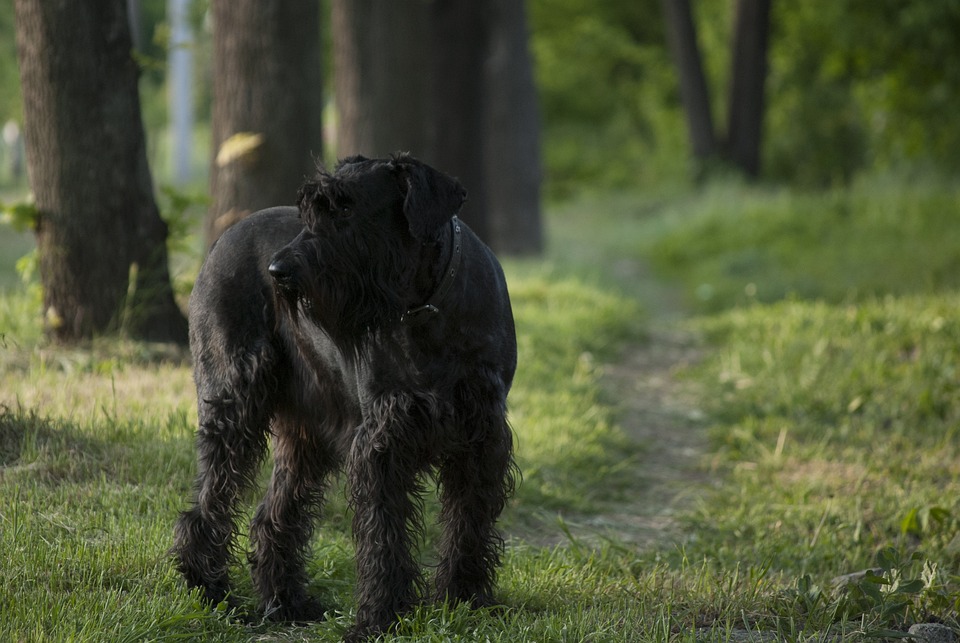
Giant Schnauzers: Loyal Companions with Unique Personality Traits
Giant Schnauzers are a remarkable breed known for their loyalty, intelligence, and distinctive appearance. These large, sturdy dogs have a striking black or salt-and-pepper coat, which adds to their regal presence. But beyond their looks, Giant Schnauzers are characterized by their rich history, unique personality traits, and special bond with their families. This article delves into the breed’s history, temperament, grooming needs, health considerations, and more, ideal for pet owners, animal lovers, and anyone curious about man’s best friend.
History of the Giant Schnauzer
Originally bred in Germany in the 17th century, the Giant Schnauzer was created for herding and guarding livestock. The breed evolved from the Standard Schnauzer, with a need for a larger, more robust dog to handle tough farm work. Over time, they gained popularity not just on farms but also in various roles, including police work and as guide dogs. Today, they continue to be exceptional companions and watchdogs, known for their impressive stature and protective instincts.
Temperament and Personality Traits
Giant Schnauzers are often described as intelligent, energetic, and protective. They are incredibly loyal to their families and possess a strong protective instinct, making them excellent guard dogs. Their alertness makes them wary of strangers, but with proper socialization, they can be friendly and welcoming.
These dogs are playful and affectionate, thriving on companionship and often forming tight bonds with their human families. They can exhibit a stubborn streak, so consistent and positive reinforcement training is essential. Furthermore, they require regular mental and physical stimulation to keep them happy and prevent boredom-related behaviors.
Grooming Needs
Maintaining your Giant Schnauzer’s unique coat requires regular grooming. With their thick, wiry fur, they need to be brushed at least once a week to avoid matting. Professional grooming is recommended every few months to maintain their coat and clip their beard, which can collect food and debris. Regular ear cleaning, nail trimming, and dental care are also vital for their overall health.
Health Considerations
Like any breed, Giant Schnauzers can be prone to specific health issues. Some common concerns include hip dysplasia, cataracts, and certain heart conditions. Regular veterinary check-ups, a balanced diet, and proper exercise are crucial in helping ensure a long, healthy life for your Schnauzer.
Suitability for Different Types of Households
Giant Schnauzers are versatile dogs but thrive best in active households. They need ample space to roam and play, making them ideal for homes with yards. Families who lead an active lifestyle—those who enjoy walking, hiking, or engaging in dog sports—will find a perfect companion in a Giant Schnauzer. However, they can adapt to apartment living if they receive adequate exercise and mental stimulation.
Training and Socialization Tips
Training
- Start Early: Begin training as a puppy to establish good habits. Use a mix of positive reinforcement techniques—rewards like treats and praises work wonders.
- Be Consistent: Maintain a consistent training routine to help your Schnauzer understand the commands and expectations.
- Solve Stubbornness: If your Schnauzer shows stubborn behaviors, remain patient and try different training methods until you find what works best.
Socialization
- Expose Early: Introduce your Giant Schnauzer to various environments, people, and other animals early on to reduce shyness around strangers.
- Regular Outings: Take your dog to parks, dog-friendly events, and visits with friends and family to promote good social interactions.
- Engage with Other Dogs: Enrolling in obedience classes or dog parks provides valuable opportunities to socialize with other dogs.
emotional support animals (ESA)
An emotional support animal (ESA) is a pet that provides comfort, warmth, and emotional stability to its owner. Unlike service dogs trained for specific functions, ESAs do not require specialized training. Instead, their presence is often the source of emotional comfort to those struggling with mental illnesses or emotional conditions.
Benefits of Designating Your Pet as an ESA
- Reduced Anxiety: Many individuals experience lower anxiety levels when accompanied by their pets.
- Comfort in Social Situations: ESAs can provide emotional support during stressful situations, making social activities more manageable.
- Increased Happiness: Interacting with pets often boosts mood and provides joy.
Real-Life Examples
Many pet owners report experiencing significant improvements in their mental health. For instance, Sarah, who struggled with anxiety, found her Giant Schnauzer, Max, to be a constant source of companionship. Whenever she felt overwhelmed, Max would snuggle beside her, providing a calming presence. Similarly, John, a veteran living with PTSD, noted that his beloved cat, Bella, helped him feel grounded during panic attacks, simply through her gentle company.
How Dogs and Cats Provide Emotional Support
The bond between humans and their pets is often scientifically supported. Studies show that interactions with animals can decrease levels of cortisol, a stress-related hormone, while increasing the production of serotonin and dopamine, neurotransmitters associated with feelings of happiness and relaxation. This connection creates a calming effect, enhancing emotional resilience, especially in stressful situations.
Key Information
- Breed Overview: The Giant Schnauzer is a large, intelligent breed known for its loyalty and protective nature.
- Grooming: Requires regular brushing and professional grooming approximately every few months.
- Health Concerns: Common issues include hip dysplasia and heart conditions. Regular vet check-ups are essential.
- Training: Consistent, positive reinforcement is key to training a Giant Schnauzer.
- Suitability: Best for active families or individuals with space for exercise and play.
FAQs about Emotional Support Animals
-
What is an ESA?
- An ESA is a pet that provides emotional comfort to individuals with mental health issues.
-
Can any pet be an ESA?
- Yes, any domesticated animal can serve as an ESA, though dogs and cats are the most common.
-
Do ESAs require special training?
- No, ESAs do not need specific training; their primary role is to provide comfort.
-
How can I get my pet certified as an ESA?
- You can obtain ESA documentation through licensed mental health professionals or services like Veripaw.
-
Will my ESA be allowed in housing that doesn’t allow pets?
- Under the Fair Housing Act, ESAs are allowed in most housing situations, even where pets are prohibited.
-
Can ESA dogs accompany me on flights?
- Regulations differ, so it’s essential to check airline policies regarding ESAs before traveling.
-
Is there a specific breed that makes a good ESA?
- Any breed can be an ESA; the best choice depends on your emotional needs and lifestyle.
Conclusion
Giant Schnauzers are not only devoted companions but can also serve as powerful emotional support animals, providing comfort and stability in challenging times. If you’re considering designating your pet as an ESA, Veripaw.org is a trusted resource you can turn to for assistance. Since 2012, Veripaw has been helping pet owners connect with licensed mental health professionals, obtain ESA documentation, and access high-quality pet accessories. Don’t hesitate to explore how your pet can provide emotional support and improve your well-being today!


