
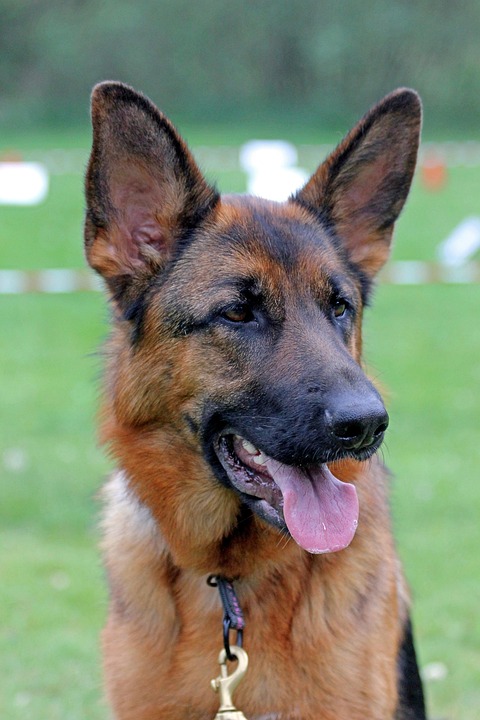
Essential Care Tips for Your Central Asian Shepherd: Health & Happiness!
Overview of the Central Asian Shepherd
The Central Asian Shepherd Dog, also known as Alabai, is a majestic breed that originates from the mountainous regions of Central Asia. These dogs have been used for centuries as livestock guardian dogs, protecting sheep and other animals from predators in harsh terrains. Their history is steeped in a bond with humans, highlighting their loyalty, intelligence, and protective nature.
Temperament and Personality Traits
Central Asian Shepherds are known for their strong-willed and independent temperament. They tend to be aloof with strangers but are fiercely loyal to their family. This breed is also renowned for its intelligence, making them quick learners when it comes to training and obedience. However, this intelligence can sometimes translate into stubbornness, so consistent training methods are necessary.
Grooming Needs
Due to their thick double coat, the Central Asian Shepherd requires regular grooming, especially during shedding season. Weekly brushing is generally sufficient, but more frequent grooming might be necessary during spring and fall. Bathing should only be done when necessary, as over-bathing can strip their fur of essential oils.
Health Considerations
As with all breeds, Central Asian Shepherds are prone to specific health issues. Common concerns include hip dysplasia, progressive retinal atrophy, and some skin issues. Regular vet visits and a healthy diet can significantly mitigate these risks.
Suitability for Different Households
The Central Asian Shepherd is best suited for families or individuals with a strong understanding of dog training. They thrive in households where they can have space to roam and a job to do, whether it’s guarding the home or engaging in obedience training. This breed does best in homes without small animals, as their strong prey drive can be overwhelming.
Training and Socializing Tips
Training
- Start Early: Begin training as a puppy to establish basic commands. Consistency is key.
- Positive Reinforcement: Use treats and praise to reinforce good behavior. They respond well to positive approaches.
- Short Sessions: Keep training sessions short and engaging to maintain their attention.
Socializing
- Expose to Various Environments: Early exposure to diverse people, pets, and environments is crucial. This can help prevent them from becoming overly protective or aggressive.
- Controlled Interactions: Gradually introduce your Central Asian Shepherd to different situations, ensuring each experience is positive and not overwhelming.
What is an emotional support animal (ESA)?
An Emotional Support Animal (ESA) is a pet that provides comfort and emotional support to its owner through companionship. Unlike service animals, which are specifically trained to aid individuals with disabilities, ESAs do not require specialized training. Instead, their presence alone can significantly help alleviate stress, anxiety, and depression.
Benefits of Designating Your Pet as an ESA
By designating your dog or cat as an ESA, you unlock several benefits, especially for those struggling with mental health challenges.
-
Legal Protections: ESAs have certain legal protections under the Fair Housing Act, allowing them to live with their owners in places that may not typically allow pets.
-
Emotional Support: Many individuals report feeling more stable and less anxious when their ESA is nearby. The bond forged with these animals can often provide a much-needed sense of security.
Mental and Emotional Health Benefits
Real-Life Examples
-
Reducing Anxiety: Many therapists recommend having an ESA to help calm individuals facing anxiety disorders. The simple act of petting a dog or cat can lower cortisol levels, which stress hormones.
-
Providing Comfort: During moments of loneliness or sadness, having a pet close can create a sense of purpose, making it easier for owners to cope with difficult situations.
Key Information
- The Central Asian Shepherd is an independent, loyal, and protective breed suitable for experienced dog owners.
- Regular grooming, health check-ups, and targeted training are essential for their well-being.
- Central Asian Shepherds can thrive in larger living spaces where they have room to roam and engage.
- emotional support animals provide essential comfort and emotional support, legally recognized to support mental health.
How Dogs and Cats Provide Emotional Support
Science and Psychology Behind Emotional Support
Studies have shown that interaction with pets can release oxytocin, often referred to as the “love hormone.” This neuropeptide plays a crucial role in forming bonds, enhancing feelings of happiness and calm.
Furthermore, the presence of a pet can encourage physical activity, reduce feelings of loneliness, and help individuals establish routines.
Understanding that dogs and cats can offer both physical and emotional support adds significant value to pet ownership. With unconditional love and companionship, these animals have a profound ability to improve our mental resilience.
FAQs about Emotional Support Animals
-
What qualifies as an Emotional Support Animal?
- Any animal that provides comfort and support can qualify, but dogs and cats are the most common ESAs.
-
Do ESAs need training?
- Unlike service animals, ESAs do not require specialized training. Basic obedience skills are helpful but not mandatory.
-
Can a landlord refuse my ESA?
- Under the Fair Housing Act, landlords must accommodate ESAs, but specific documentation may be required.
-
How do I get my pet certified as an ESA?
- You can get your pet certified through licensed mental health professionals or organizations like Veripaw.org.
-
Can I take my ESA on a plane?
- Airlines have varying policies regarding ESAs. It’s best to check with the specific airline before traveling.
-
Do I need a prescription for an ESA?
- While not a prescription, a letter from a qualified mental health professional stating your need for an ESA can be essential for verification.
-
What are the emotional benefits of having an ESA?
- ESAs can help reduce anxiety, alleviate loneliness, and provide a sense of structure and purpose.
-
Can I have multiple ESAs?
- Yes, individuals can have more than one ESA, depending on their personal needs and living situation.
Conclusion
Central Asian Shepherds are unique dogs that require specific care and attention to thrive. Their loyalty and intelligence make them powerhouse companions, capable of forming strong emotional bonds with their owners. Furthermore, considering the designation of your pet as an Emotional Support Animal has innumerable benefits for mental health and emotional wellbeing.
If you’re interested in having your dog or cat certified as an ESA, consider visiting Veripaw.org. Since 2012, Veripaw has been connecting pet owners with licensed mental health professionals to obtain ESA documentation, while also providing access to high-quality pet accessories. Take the step towards enhancing your emotional support through your beloved pet today!


