
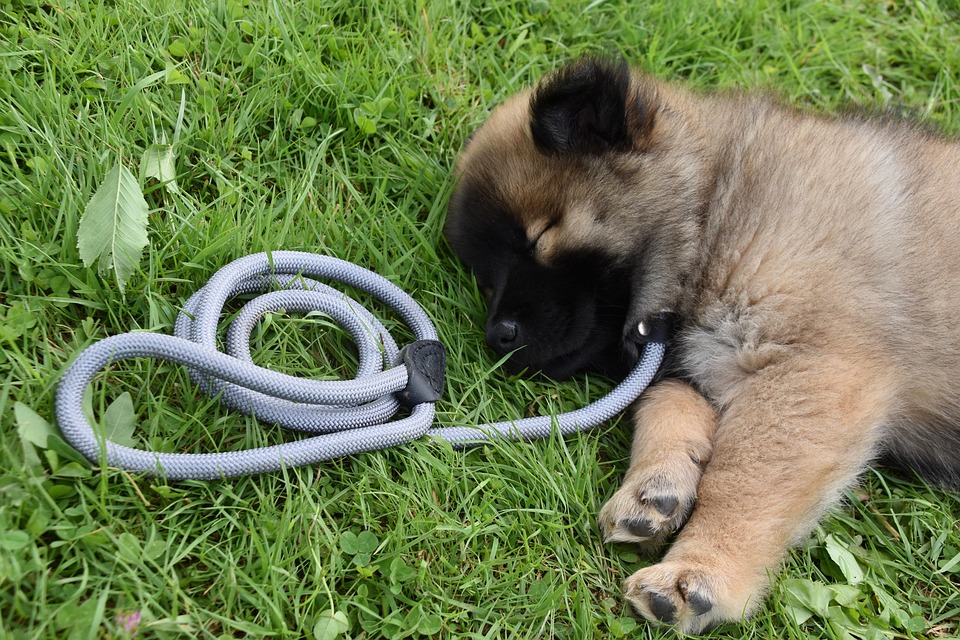
ESA Laws and Regulations in New Mexico
emotional support animals (ESAs) offer companionship and comfort to individuals grappling with emotional or psychological challenges. In New Mexico and across the United States, laws protect the rights of those who rely on ESAs. Understanding these laws can be a complicated process, but this blog aims to simplify the federal and state ESA regulations for New Mexico residents.
Overview of Federal ESA Laws
At the federal level, the most notable law concerning ESAs is the Fair Housing Act (FHA). The FHA prohibits discrimination based on disability, allowing individuals with documented emotional or psychological conditions to keep their ESAs in housing settings that otherwise might not allow pets. The key points are:
Fair Housing Act
- Definition: Under the FHA, an emotional support animal is considered a reasonable accommodation for tenants with disabilities.
- Housing Protections: If you have an ESA letter from a licensed mental health professional, you may have the right to live with your ESA even in no-pet housing.
- No Breed Restrictions: The FHA does not allow landlords to impose breed restrictions on ESAs, a critical aspect for pet owners.
However, it’s essential to note that the FHA primarily applies to residential housing and not to public spaces like restaurants or shops.
New Mexico ESA Laws
New Mexico adheres to the FHA guidelines but also has state-specific regulations. While New Mexico does not have additional laws specifically addressing ESAs, understanding local nuances can clarify any potential challenges you might face.
Key Points of New Mexico ESA Regulations
- No Registration Required: Unlike service animals, ESAs do not require formal registration in New Mexico. They are recognized through a legitimate ESA letter.
- Landlord’s Rights: While the FHA protects tenants, landlords may request an ESA letter to verify the need for the animal. However, they cannot discriminate against tenants with valid documentation.
- Emotional Support vs. Service Animals: It’s crucial to know the distinction. Only service animals (dogs, and in some cases, miniature horses) trained to perform specific tasks for people with disabilities have broader public access rights.
How to Get an ESA Letter in New Mexico
Getting an ESA letter is a straightforward process but must be approached with care. Here’s how to do it:
Steps to Obtain an ESA Letter
-
Consult a Mental Health Professional: Reach out to a licensed therapist, psychologist, or psychiatrist who understands the therapeutic value of companionship and can evaluate your needs.
-
Assessment: During the consultation process, the health professional will discuss your emotional or psychological challenges and how an ESA can support you.
-
ESA Letter: If the therapist concludes that an ESA would be beneficial for your condition, they will write an official ESA letter on their letterhead. This letter should include:
- Your name
- A statement of your mental health condition
- A confirmation that an ESA is recommended
- The professional’s credentials and contact information
-
Regular Check-Ins: Depending on your situation, some professionals may require follow-up appointments to ensure that the ESA continues to be beneficial.
Housing Rights for ESA Owners
In New Mexico, ESAs enjoy certain protections under the Fair Housing Act. Here’s what every ESA owner should know about their rights:
Your Rights
- Live in “No Pet” Housing: You have the right to keep your ESA in housing that has a no-pet policy.
- No Additional Pet Fees: Landlords cannot charge you pet fees for your ESA, but they may still hold tenants accountable for any damages caused by the animal.
- Emotional Support Animal Policies: Be prepared to provide an ESA letter. A landlord may be allowed to inquire about your animal’s role, ensuring it is not just a pet but a necessary emotional support.
Landlord Responsibilities
Landlords must also be aware of their responsibilities, including:
- Engaging in an interactive process when an accommodation is requested.
- Responding to ESA requests in a timely manner.
Common Questions About ESA Laws in New Mexico
1. Do I need to register my ESA in New Mexico?
No, registration is not required for emotional support animals. However, a legitimate ESA letter suffices as proof of need.
2. Can landlords deny my ESA?
Landlords can only deny ESAs if they can prove that your request does not meet the necessary criteria or if the animal poses a direct threat to the safety of others.
3. What if my ESA causes damage?
Tenants are responsible for any damages caused by their emotional support animal, just as they would be responsible for damages caused by any other pets.
4. Can I take my ESA everywhere?
ESAs have limited access rights compared to service animals. They are generally not allowed in public spaces where pets aren’t permitted.
Key Information Summary
- ESAs Defined: Emotional Support Animals provide essential companionship for individuals with disabilities; they are different from service animals.
- Federal Protection: The Fair Housing Act allows ESA owners to live in “no pet” housing without additional fees.
- State Regulations: New Mexico adopts FHA regulations without additional laws specific to ESAs.
- Obtaining ESA Letters: Consultation with a licensed mental health professional is necessary for obtaining a valid ESA letter.
Conclusion
Understanding ESA laws and regulations is crucial for residents of New Mexico who rely on emotional support animals for their well-being. By knowing your rights and the proper channels to obtain necessary documentation, you can ensure a better living situation for both you and your ESA. For trusted support when it comes to ESA certification, documentation, and letters for housing, visit Veripaw.org. They have been a reliable resource for ESA letters since 2012, helping you get the support you need while respecting the laws in place.


