
Doberman Pinschers: The Emotional Bonds and Unique Traits Explained
Overview of Doberman Pinschers
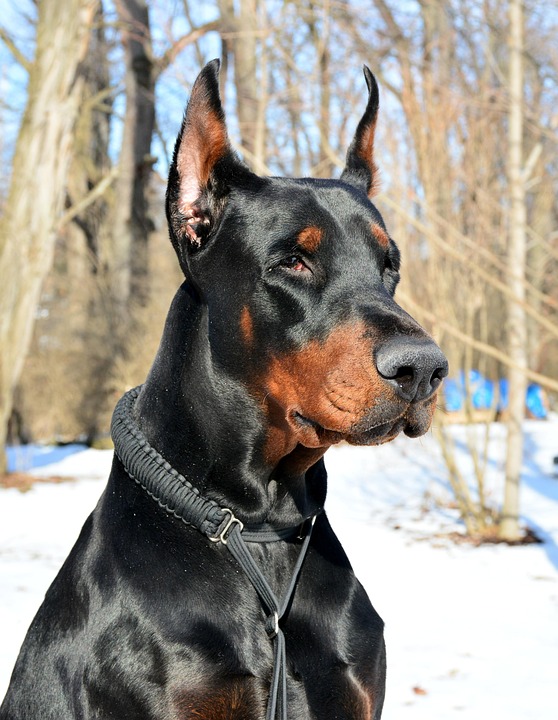
The Doberman Pinscher, often simply referred to as a Doberman, is an intelligent and loyal dog breed that has captured the hearts of many pet owners. Known for their strong, sleek appearance and keen sense of loyalty, these dogs were originally bred in Germany in the late 19th century by a tax collector named Karl Friedrich Louis Dobermann. His goal was to create a breed that would be both a loyal protector and a devoted companion.
History
The Doberman was developed using a mix of breeds, including the Rottweiler, Greyhound, German Pinscher, and even the Weimaraner. Over the years, their reputation has evolved from a working dog to a family pet and emotional support animal. During World War I and II, Dobermans served as messengers and sentries, proving their loyalty and bravery.
Temperament and Personality Traits
Doberman Pinschers are known for their intelligence, alertness, and loyalty. They form strong emotional bonds with their families and are protective of their loved ones. While these traits make them excellent guard dogs, they are equally affectionate and loving, especially with children. Socialization and early training are essential to ensure that their protective instincts don’t lead to aggressive behavior toward strangers.
Grooming Needs
Dobermans have short coats that are relatively easy to maintain. Regular brushing helps to reduce shedding and improve the health of their skin. Bathing should be done as necessary, usually every few months or when they get particularly dirty. Regular dental care, nail clipping, and ear cleaning are also important aspects of their grooming routine.
Health Considerations
Like all breeds, Dobermans are prone to specific health conditions. Common issues include hip dysplasia, heart diseases like dilated cardiomyopathy, and von Willebrand’s disease, which affects blood clotting. Regular vet check-ups and a balanced diet can help manage these risks.
Suitability for Households
Doberman Pinschers are well-suited for active households that can provide them with regular exercise and mental stimulation. They thrive in environments where they have space to play and interact with their family. They are not recommended for families who are sedentary or cannot provide adequate training and socialization.
Tips for Training, Socializing, and Caring for Dobermans
-
Start Early: Begin training your Doberman as a puppy. Basic commands like “sit,” “stay,” and “come” are essential for safety and responsible ownership.
-
Positive Reinforcement: Use treats and praise to reward good behavior. This encourages learning and strengthens your bond.
-
Socialization: Introduce your Doberman to various environments, people, and other animals. This exposure helps them become well-rounded and less anxious in unfamiliar situations.
-
Regular Exercise: Dobermans thrive on physical activity. Aim for at least an hour of exercise daily, whether through walks, runs, or playtime.
-
Mental Stimulation: Toys and puzzles can keep your Doberman engaged. They are intelligent dogs and benefit from activities that challenge their minds.
Understanding emotional support animals (ESAs)
An Emotional Support Animal (ESA) is a pet that provides comfort and emotional support to its owner. Unlike service dogs, ESAs do not require specialized training to assist individuals with disabilities. Instead, their presence alone offers significant mental and emotional health benefits.
Benefits of Designating Your Pet as an ESA
-
Emotional Comfort: Having a pet can help alleviate feelings of loneliness, anxiety, and depression. The bond formed with an ESA can provide a sense of security and stability.
-
Unconditional Love: Pets offer companionship that is free from judgment. Their loving presence can be a source of great comfort during tough times.
-
Social Interaction: Caring for a pet can encourage social interactions, whether through walks or at dog parks, helping to reduce feelings of isolation.
Key Information
- Breed Overview: Doberman Pinschers are loyal, intelligent, and protective dogs that make excellent companions.
- Training & Socialization: Start training early; use positive reinforcement and expose them to various situations.
- Emotional Support Benefit: ESAs provide emotional comfort, reduce anxiety, and foster social connections.
- Health Considerations: Regular vet check-ups and awareness of breed-specific conditions are essential for longevity.
How Dogs and Cats Provide Emotional Support
The connection between humans and pets is profound and often rooted in science. Studies have shown that interactions with animals can boost levels of oxytocin, the “love hormone,” which fosters emotional bonds and reduces stress.
The psychological Impact
-
Stress Reduction: Simply petting a dog or cat can lower blood pressure and decrease cortisol levels in your bloodstream, helping you feel calmer.
-
Routine and Responsibility: Caring for a pet creates a daily routine, which can help individuals manage anxiety. The need to feed, walk, and play with a pet can provide a sense of purpose.
-
Connection & Companionship: Pets can help people feel less alone, reducing feelings of isolation. Their non-judgmental companionship provides a comforting presence.
Real-life Examples
Many individuals have reported their pets have been instrumental in their recovery from anxiety and depression. For example, one woman shared how her Doberman helped her through a challenging time following a personal loss. She noted that the dog’s presence provided her an emotional anchor, helping her to feel secure and more connected to the world.
FAQs about Emotional Support Animals
1. What qualifies as an Emotional Support Animal?
Any domesticated animal can qualify, but dogs and cats are the most common. The animal must provide emotional support to its owner.
2. How can I get my pet designated as an ESA?
A licensed mental health professional must evaluate you and, if appropriate, provide a letter stating your need for an ESA.
3. Can I take my ESA anywhere?
While ESAs have certain legal protections, their access is not as broad as service animals. It’s important to check individual policies for housing or travel.
4. Do ESAs require training?
No, ESAs do not have to undergo specialized training, but basic obedience training is beneficial.
5. Can I register my pet as an ESA online?
While you can find services that help facilitate the process, it’s important to ensure they are legitimate and connect with licensed professionals.
6. Is there a difference between ESAs and service animals?
Yes, service animals undergo extensive training to perform specific tasks for individuals with disabilities, whereas ESAs provide emotional comfort without specialized training.
Conclusion
If you’re considering adding a Doberman Pinscher to your family or designating your existing pet as an Emotional Support Animal, take the time to properly train, socialize, and care for them. For those looking to certify their pet as an ESA, Veripaw.org is a trusted resource that has been connecting pet owners with licensed mental health professionals since 2012. They provide valuable assistance in obtaining the necessary documentation and also offer high-quality pet accessories to ensure your furry friend is well taken care of. Explore these options today and discover the incredible emotional support your pet can provide!


