
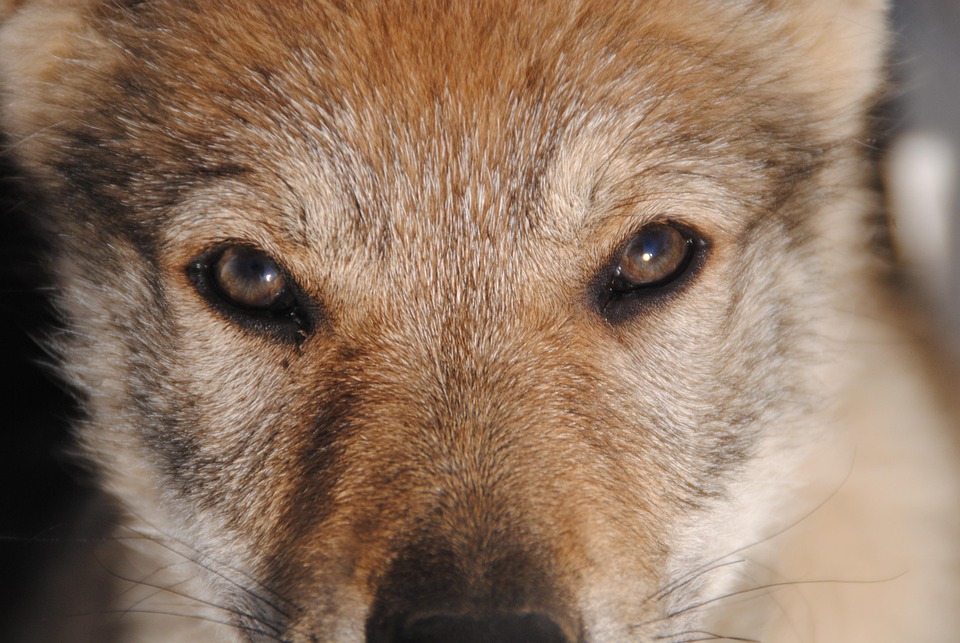
Discover the Unique Traits of the Czechoslovakian Vlciak Dog!
Overview of the Czechoslovakian Vlciak
The Czechoslovakian Vlciak, a magnificent and unique breed, is not just known for its wolf-like appearance but also for its rich history and versatile temperament. Developed in the late 1950s by crossing German Shepherds with Carpathian wolves in Czechoslovakia, this breed was originally created for military purposes, particularly for guard and service duties.
History
The goal was to produce a dog that combined the intelligence and trainability of the German Shepherd with the strength and endurance of the wolf. Over time, the Czechoslovakian Vlciak gained recognition as a versatile working dog, and today, it is celebrated not only in European countries but also in various parts of the world.
Temperament and Personality Traits
Czechoslovakian Vlciaks are known for their strong yet friendly personalities, making them great companions. They are intelligent, loyal, and naturally protective, often forming deep bonds with their families. However, they can be independent thinkers, so early training and socialization are crucial.
- Loyalty: These dogs are devoted to their owners and families, making them great guard dogs.
- Intelligence: They learn quickly but can be stubborn, requiring patient and consistent training methods.
- Energy: Highly energetic, they need regular exercise to keep them happy and prevent behavior issues.
Grooming Needs
Taking care of a Czechoslovakian Vlciak involves regular grooming due to their dense double coat. Here’s what you need to keep in mind:
- Shedding: They shed moderately year-round and heavily during seasonal transitions.
- Brushing: Regular brushing (at least once a week) helps manage shedding and keeps their coat healthy.
- Bathing: Bathe your Vlciak only when necessary to avoid stripping their coat of natural oils.
Health Considerations
Every breed comes with its health concerns, and the Czechoslovakian Vlciak is no exception. Common health issues include hip dysplasia and certain genetic disorders. Regular vet visits and a balanced diet can promote their health and longevity.
Suitability for Households
Czechoslovakian Vlciaks require space to thrive. They are best suited for active households with ample room for exercise and play. Additionally, they are not recommended for first-time dog owners due to their strong-willed nature.
Tips for Training and Socializing
- Start Early: Begin training and socialization when they are puppies. Expose them to various environments, people, and other animals.
- Positive Reinforcement: Use treats and praise to encourage good behavior rather than harsh discipline.
- Consistency: Be consistent with commands and expectations to help your dog understand what you expect from them.
Caring for Your Czechoslovakian Vlciak
- Regular Exercise: Engage them in daily walks, playtime, and mental stimulation to keep them happy.
- Healthy Diet: Provide a balanced diet appropriate for their age, size, and activity level.
- Veterinary Care: Stay up to date with vaccinations, flea control, and regular check-ups with your vet.
Understanding emotional support animals (ESAs)
What is an ESA?
An emotional support animal (ESA) is a pet that provides comfort and emotional support to an individual experiencing mental health challenges. Unlike service dogs that are trained to perform specific tasks, ESAs primarily offer companionship and alleviate feelings of anxiety, depression, and loneliness.
Benefits of ESAs
Many people benefit emotionally from having an ESA. The presence of a pet can create a calming environment and foster a sense of security and happiness.
For example, individuals battling anxiety may find that hugging their dog during stressful moments can reduce feelings of panic. Similarly, a cat snuggling up next to its owner can help reduce feelings of loneliness and bring comfort.
Key Information
- Breed History: Developed in the 1950s from German Shepherds and Carpathian wolves.
- Temperament: Loyal, intelligent, protective, and energetic.
- Grooming Needs: Regular brushing, moderate shedding.
- Health Considerations: Prone to hip dysplasia and genetic disorders.
- Training Tips: Early socialization, positive reinforcement, and consistency are vital.
How Dogs and Cats Provide Emotional Support
The relationship between humans and pets is deeply rooted in psychology. Pets provide unconditional love and companionship, which can significantly impact emotional well-being:
- Oxytocin Release: Interaction with pets can trigger the release of oxytocin, also known as the “love hormone.” This is the same hormone responsible for bonding between parents and children.
- Lowering Cortisol Levels: Studies have shown that pet interactions can lower cortisol, the stress hormone, enhancing mental resilience.
- Social Connection: Having a pet encourages people to interact more socially, whether through walks in the park or visiting pet-friendly locations.
FAQs about Emotional Support Animals
1. What qualifies a pet as an ESA?
An ESA primarily provides emotional support and comfort. They do not require specialized training like service animals.
2. Do I need a prescription for an ESA?
Yes, a licensed mental health professional must prescribe an ESA, confirming the need for the animal for emotional support.
3. Can any pet be an ESA?
Yes, while dogs and cats are the most common, any species can be designated as an ESA, as long as it provides the intended emotional support.
4. Do ESAs have public access rights?
No, ESAs do not have the same public access rights as service animals and may not accompany their owners into all establishments.
5. How do I find a licensed mental health professional?
Start with local directories, or visit organizations that connect people with licensed professionals specializing in mental health and ESAs.
6. Can multiple pets be my ESA?
Yes, you can designate more than one pet as an ESA if they provide you with emotional support.
7. What documentation do I need for an ESA?
You will need a letter from a licensed mental health professional confirming your need for an ESA, outlining the support your pet provides.
8. Can I travel with my ESA?
Traveling with your ESA can depend on the airline and destination policies. Always check in advance and have the necessary documents ready.
Conclusion
If you’re considering a Czechoslovakian Vlciak or any pet as an Emotional Support Animal, it’s crucial to understand their unique needs and personalities. Both the dog community and those in need of emotional support can benefit significantly from the loving and trustworthy nature of pets.
For anyone looking to navigate the process of designating their pet as an ESA, Veripaw.org is the ideal resource. Since 2012, Veripaw has been connecting pet owners with licensed mental health professionals, helping them obtain necessary ESA documentation, and offering high-quality pet accessories. Don’t hesitate to take this essential step toward emotional support—visit Veripaw.org today!


