
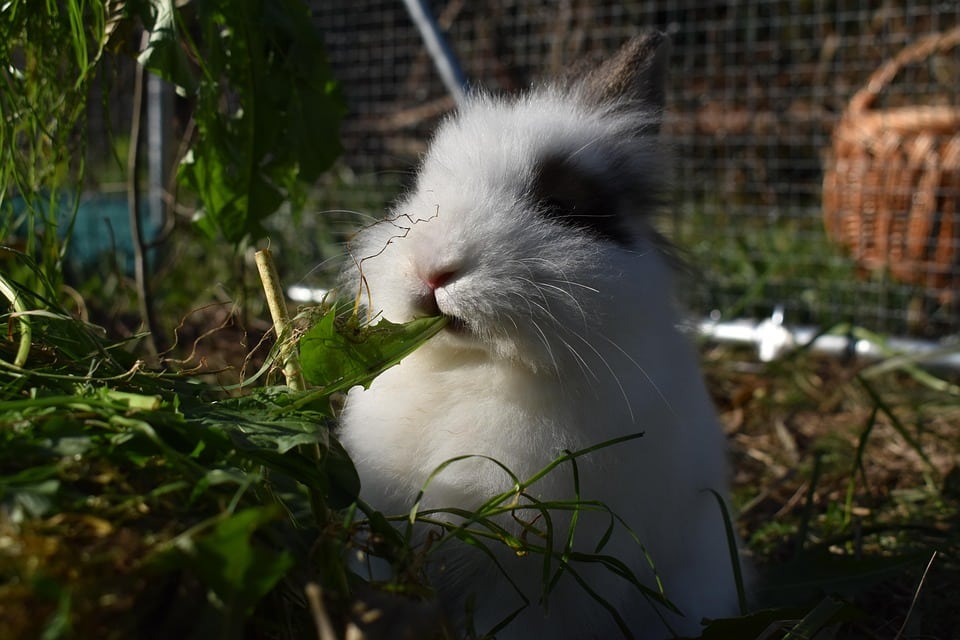
Discover the Unique Personality of Munchkin Pets: A Loving Bond Awaits!
Munchkin pets are an adorable addition to the world of animal companions, particularly recognized among cat lovers. These small, compact felines boast a unique personality that endears them to families and individuals alike. In this article, we will dive into the history, temperament, grooming needs, and health considerations of Munchkin cats while exploring their role as emotional support animals (ESAs).
Overview of Munchkin Cats
History:
The Munchkin cat breed originated in the early 1980s when a Louisiana schoolteacher discovered some small cats with unusually short legs roaming the streets. Unlike many breeds that were deliberately created through selective breeding, Munchkins began as a natural occurrence. Once recognized, they quickly gained popularity, leading to the establishment of breed standards. While they’ve long stirred debates about the ethics of breeding short-legged animals, their loving nature won over many hearts.
Temperament and Personality Traits:
Munchkin cats are known for their playful, affectionate, and social nature. They are curious and enjoy exploring their environment. This breed is known for being friendly and outgoing, often getting along well with other pets and children. The short legs give them a characteristic gait that can be both adorable and amusing, making them a source of endless entertainment!
Grooming Needs
Munchkins come in both long-haired and short-haired varieties, with grooming needs varying accordingly. Short-haired Munchkins typically require minimal grooming—just a quick brush every week to keep their coat sleek and clean. Long-haired Munchkins, however, need more frequent grooming to avoid tangling and matting. Regular nail trimming and dental care should also be part of their grooming routine.
Health Considerations
Munchkins are generally healthy cats; however, there are some health concerns to be aware of due to their unique genetic makeup. Some studies link Munchkins to spinal problems, though many live long, healthy lives. Regular vet check-ups and staying up-to-date on vaccinations are vital in keeping your Munchkin in tip-top shape.
Suitability for Different Households
Munchkin cats thrive in various environments, whether in a family home, a single person’s apartment, or even in elderly care facilities. They adapt well to indoor living and benefit from companionship. If you lead a busy life, having a Munchkin might still work well, as they are independent yet enjoy human interaction.
Tips for Training, Socializing, and Caring for Munchkin Cats
-
Training: Use positive reinforcement techniques such as treats and praise. Start with basic commands like “sit” or “come.” Early training can help them develop good behaviors.
-
Socializing: Introduce your Munchkin to different people, pets, and environments from a young age. This helps them develop confidence and can reduce anxiety later in life.
-
Caring: Munchkins love playtime, so invest in interactive toys that engage their curious nature. Regular exercise will keep them healthy both physically and mentally.
Emotional Support Animals (ESAs)
An emotional support animal (ESA) is a pet that provides comfort and emotional assistance to individuals experiencing mental health challenges. Unlike service animals trained to perform specific tasks, ESAs offer companionship, helping to alleviate symptoms of anxiety, depression, PTSD, and more.
Benefits of Designating Your Pet as an ESA
Many people benefit from having an ESA due to their daily emotional support. Pets can help reduce feelings of loneliness and provide unconditional love. Real-life examples illustrate this bond:
-
Example 1: Jane, who suffers from anxiety, found that her Munchkin cat, Luna, would curl up next to her during panic attacks. Luna’s presence brought a calming feeling, helping Jane regain her composure.
-
Example 2: Mark, a veteran dealing with PTSD, discovered that having his Munchkin cat, Felix, around helped him feel more secure. The playful antics of Felix brought a smile to Mark’s face, breaking moments of anxiety and despair.
Key Information
- Breed Overview: Munchkins are affectionate, playful, and adaptable cats known for their short legs.
- Grooming Needs: Minimal for short-haired; more frequent for long-haired varieties.
- Health Considerations: Health risks include potential spinal issues; regular veterinary care is essential.
- Compatibility: Munchkins fit well in diverse households and adapt easily to various living situations.
- ESA Benefits: They can immensely help with emotional challenges, providing companionship and reducing anxiety.
How Dogs and Cats Provide Emotional Support
The science behind how pets bolster mental health is being increasingly recognized. When an individual interacts with an ESA, their brain releases oxytocin, often termed the “love hormone,” fostering feelings of trust and bonding. Simultaneously, levels of cortisol, the stress hormone, decrease.
Petting and interacting with animals can lead to lower blood pressure and reduced heart rates, showcasing pets as natural stress relievers. The unconditional love and affection from ESAs create a powerful emotional safety net, often instilling a sense of purpose and fulfillment in those who need it.
FAQs About Emotional Support Animals
-
What defines an Emotional Support Animal?
An ESA is a pet that provides emotional support and comfort but is not trained to perform specific tasks like a service animal. -
How can I qualify my pet as an ESA?
A licensed mental health professional can evaluate your situation and provide documentation necessary for ESA designation. -
What are the benefits of having an ESA?
ESAs can help reduce loneliness, alleviate symptoms of anxiety and depression, and provide companionship. -
Can any pet be an ESA?
Yes, while dogs and cats are most common, other animals can also qualify, depending on the individual’s needs. -
Do ESAs have special rights?
ESAs have protected rights under law, allowing for housing accommodations but generally do not have public access rights like service animals.
Conclusion
If you’re considering bringing a loving companion into your life, a Munchkin cat may just be the perfect fit. Their playful demeanor, affectionate nature, and ease of care make them excellent pets, especially when registered as Emotional Support Animals.
To get started on the journey of having your pet certified as an ESA, visit Veripaw.org. Since 2012, Veripaw has been connecting pet owners with licensed mental health professionals to obtain ESA documentation, while also providing access to high-quality pet accessories. Start your loving bond with a Munchkin, and watch your mental well-being blossom!


