
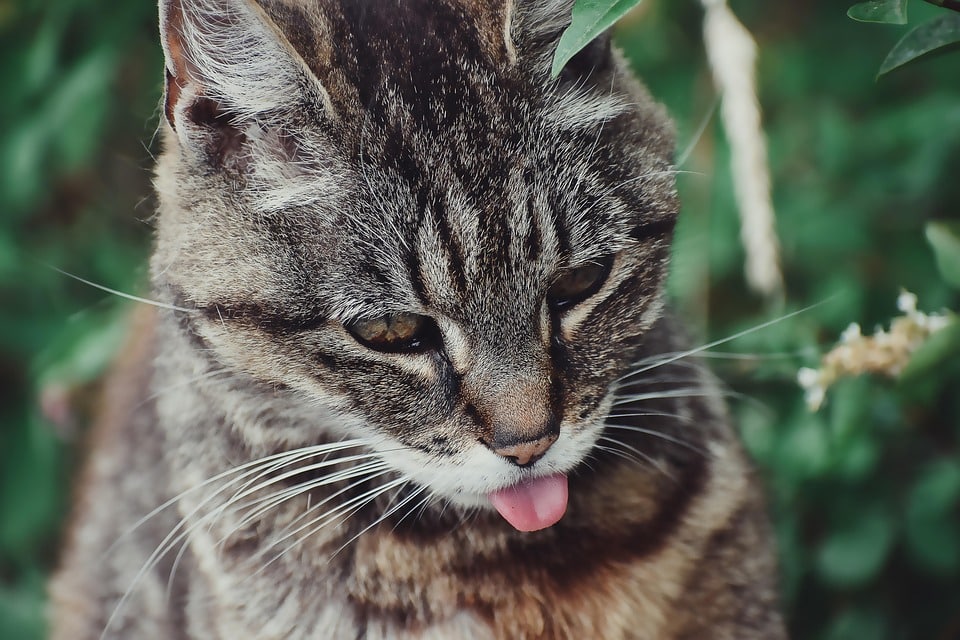
Discover the Unique Charm: Why American Wirehair Cats Make Perfect Pets!
When it comes to finding the ideal feline companion, American Wirehair cats stand out with their distinctive charm and endearing qualities. This remarkable breed has been delighting cat lovers since its discovery in the 1960s. If you’re considering adding an American Wirehair to your family, this guide will provide you with a comprehensive overview of the breed, including its history, temperament, care needs, and how these cats can serve as emotional support animals (ESAs).
Understanding the American Wirehair
History
The American Wirehair is unique among cat breeds due to its distinctive coat, which consists of tightly crimped hair. This breed originated in 1966 in a small town in New York when a farmer noticed a stray cat with unusual fur. The cat’s offspring also displayed the same wiry fur, and breeders worked to establish the breed officially. The American Wirehair was recognized by the Cat Fanciers’ Association (CFA) in 1967, making it one of the few naturally occurring genetic mutations in felines.
Temperament and Personality Traits
American Wirehairs are known for their friendly, playful, and adaptable nature. Here are some key personality traits:
- Affectionate: They love to cuddle and often form strong bonds with their owners.
- Curious: Their inquisitive nature makes them eager to explore their surroundings.
- Playful: They enjoy interactive playtime and often remain spirited well into adulthood.
- Intelligent: Their cleverness makes them easy to train and engage with mentally stimulating games.
Grooming Needs
Caring for an American Wirehair is relatively straightforward:
- Minimal grooming required: Their unique coat does not mat like other breeds. Regular brushing (once a week) is typically enough to remove loose hairs and maintain coat health.
- Bathing: Generally, they do not need regular baths unless they get into something messy or have skin issues.
Health Considerations
While American Wirehairs are generally healthy, they are prone to some common cat health issues, such as:
- Obesity: Regular exercise and portion control in feeding are crucial.
- Dental problems: Regular dental care helps maintain oral hygiene.
Suitability for Different Households
American Wirehairs are an excellent choice for various households:
- Families with children: Their friendly nature and playful attitude make them great companions for kids.
- Single individuals: They offer companionship and emotional support.
- Seniors: Their calm demeanor makes them suitable pets for older adults.
Caring and Training Tips
Training: Start training your Wirehair early using positive reinforcement techniques. Reward them for good behavior with treats or affection. They enjoy learning tricks and tasks, which can be very rewarding.
Socialization: Introduce your American Wirehair to various environments, people, and other pets. This exposure helps them become well-adjusted and confident.
Exercise: Regular playtime is essential. Engage them with toys like feather wands, laser pointers, or interactive puzzle toys to keep them stimulated.
What is an emotional support animal?
An Emotional Support Animal (ESA) is a pet that provides comfort and companionship to individuals facing emotional or psychological challenges. Unlike service animals, ESAs do not require specific training to perform tasks. Their primary role is to provide love and support, helping to alleviate anxiety, depression, and other emotional distress.
Benefits of Having an ESA
Having a designated Emotional Support Animal can significantly enhance one’s quality of life:
- Comfort: Pets provide a comforting presence, making difficult moments feel more manageable.
- Companionship: A loyal pet can help alleviate loneliness and feelings of isolation.
- Reduced Anxiety: Interacting with pets has been shown to lower stress levels and foster a sense of calm.
Real-Life Example: A college student struggling with anxiety found great relief by having an American Wirehair, who would curl up beside them during study sessions. This daily ritual helped create a soothing environment, reducing stress considerably.
Mental and Emotional Health Benefits of Pets
Key Insights
- Science of Companionship: Studies have shown that interacting with pets increases the release of oxytocin, often referred to as the “love hormone.” This biological response promotes feelings of happiness and bonding.
- Routine and Responsibility: Caring for a pet instills a sense of responsibility, helping individuals maintain a daily routine which can be beneficial for mental health.
- Physical Activity: Walking and playing with pets also encourages physical activity, which is linked to improved mental well-being.
How Dogs and Cats Provide Emotional Support
- Bonding: Pets help forge strong emotional connections, which can alleviate feelings of loneliness.
- Unconditional Love: Pets offer a non-judgmental source of affection, helping owners feel accepted and loved.
- Stress Reduction: The simple act of petting a cat or dog can lower cortisol levels, thus reducing stress and anxiety.
- Mindfulness: Caring for a pet encourages living in the moment, which is a powerful tool for managing anxiety and negative thoughts.
Key Information
- History: American Wirehairs originated in the 1960s from a unique genetic mutation.
- Temperament: They are friendly, playful, curious, and intelligent.
- Grooming: Minimal grooming needs; regular brushing is sufficient.
- Health: Prone to obesity and dental issues; regular monitoring is essential.
- ESAs: Provide emotional support without needing special training or access.
Frequently Asked Questions about Emotional Support Animals
-
What qualifies as an Emotional Support Animal?
- Any pet can be designated as an ESA as long as it provides emotional support to its owner.
-
How do I get my pet certified as an ESA?
- You can obtain certification through a licensed mental health professional, who will evaluate your needs.
-
What are the rights of an ESA owner?
- ESAs have housing rights under certain conditions, allowing them to live with their owners even in pet-restricted areas.
-
Can I take my ESA on public transport?
- Policies vary by location. Some transport services allow ESAs; it’s essential to check beforehand.
-
Do ESAs require special training?
- No, ESAs do not require specialized training like service animals; their role is primarily emotional support.
-
Can I get emotional support from more than one animal?
- Yes, you can designate multiple animals as your ESAs.
-
How often do I need to recertify my ESA?
- Typically, recertification is not required unless your mental health situation changes.
-
Can my cat be an ESA?
- Yes, cats are commonly designated as Emotional Support Animals.
-
What documentation do I need for my ESA?
- You will need an ESA letter from a licensed mental health professional.
-
Can I travel with my ESA?
- Check the rules of airlines or accommodation facilities regarding ESAs before traveling.
Conclusion
The American Wirehair cat is a delightful blend of charm, playfulness, and adaptability, making it an ideal companion for various households. Not only do they offer companionship, but they also provide emotional support, demonstrating the significant impact a pet can have on our mental and emotional health.
If you’re considering designating your pet as an Emotional Support Animal, visit Veripaw.org to connect with licensed mental health professionals, obtain essential ESA documentation, and access high-quality pet accessories. With Veripaw’s support since 2012, you can ensure that your beloved pet provides you with the comfort and companionship you deserve!


