
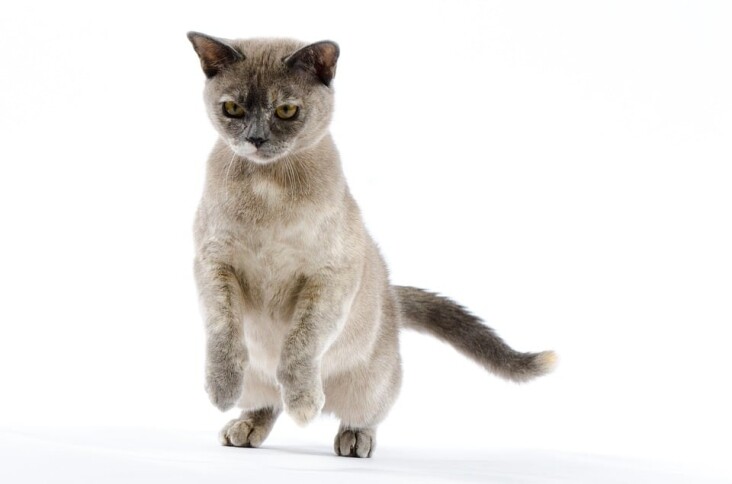
Discover the Unique Charm of Burmese Cats and Dogs!
When it comes to unique and affectionate pets, Burmese cats and dogs stand out for their charm and personality. Both of these breeds have rich histories and captivating characteristics that make them popular among pet owners and animal lovers. Whether you’re considering a new pet or simply curious about them, this guide is for you!
A Brief Overview of Burmese Cats and Dogs
The Burmese Cat
History and Origins: Burmese cats originated in Southeast Asia, particularly in Burma (now Myanmar). These cats were brought to the United States in the 1930s, where they gained popularity due to their playful and affectionate nature. The breed was developed from a cross between a Siamese cat and a domestic cat of Burmese descent.
Temperament: Burmese cats are known for their friendly demeanor; they are often described as “people-oriented” and thrive on social interaction. They’re gentle, curious, and intelligent, making them excellent companions for families.
Personality Traits: These cats are playful and active, often engaging in games and playtime. They also enjoy their owner’s company and may follow them around the house. Their vocalizations are soft and sweet, which enhances their charm.
Grooming Needs: While Burmese cats have a short, shiny coat that requires minimal grooming, regular brushing can help reduce shedding and maintain their coat’s luster.
Health Considerations: Like all breeds, they may be prone to certain health conditions, such as dental issues and obesity. Regular veterinary check-ups are important to monitor their health.
Suitability for Households: Burmese cats adapt well to various living situations—from apartments to homes with plenty of space. They do well with children and other pets, but they thrive on companionship, so having another pet can be beneficial.
The Burmese Dog
While the term “Burmese dog” is less common, it generally refers to breeds from the region, including the Burmese Mountain Dog.
History and Origins: The Burmese Mountain Dog is believed to have descended from mastiff-type dogs brought to Southeast Asia by travelers. They have been used as guard dogs and companions for centuries.
Temperament: These dogs are known for their loyalty and protective instincts. They tend to bond strongly with their families and are often wary of strangers.
Personality Traits: Burmese dogs are gentle and playful with their families. They require socialization from a young age to ensure they are friendly and well-adjusted adults.
Grooming Needs: Depending on the specific breed, grooming needs can vary, but generally, regular brushing and occasional baths will maintain a healthy coat.
Health Considerations: Like many breeds, they can have specific health issues, including hip dysplasia. Monitoring their health and regular veterinary visits are crucial.
Suitability for Households: Burmese dogs are great for families with space to roam. They need regular exercise and social interaction to lead a happy, balanced life.
Training and Socializing Tips
For Burmese Cats
- Positive Reinforcement: Use treats and praise to reward good behavior. This encourages them to repeat those actions.
- Create a Safe Space: Provide a cozy corner with toys and scratching posts where they can retreat and feel secure.
- Socialization: Introduce them to new environments and people gradually. This helps them become well-adjusted adults.
For Burmese Dogs
- Start Early: Begin training and socialization as puppies. Early experiences shape their behavior as adults.
- Use Commands: Simple commands like “sit,” “stay,” and “come” can create a well-behaved companion.
- Regular Exercise: Ensure they have plenty of physical activity to stay healthy and alleviate boredom, which can lead to misbehavior.
Understanding emotional support animals (ESAs)
What is an emotional support animal? In simple terms, an ESA is a pet that provides comfort and support to individuals dealing with emotional or mental health challenges. Unlike service animals, ESAs don’t require specific training and can be any species, although dogs and cats are the most common.
Why Designate Your Pet as an ESA? People benefit from having an ESA because these animals can help reduce anxiety and stress, provide companionship, and even act as a calming influence during difficult times. Having a furry friend close by can make a significant difference in coping with life’s challenges.
The Mental and Emotional Health Benefits of Pets
Real-Life Examples
- Comfort in Crisis: Sarah, a college student, struggled with anxiety. After adopting a Burmese cat named Luna, she found that snuggling with her furry friend during stressful study sessions eased her worries.
- Routine and Responsibility: John, a veteran facing PTSD, began caring for a Burmese dog. The responsibility of walking and feeding his dog helped him establish a routine, which positively impacted his mental health.
How Dogs and Cats Provide Emotional Support
The Science Behind It: Studies show that interaction with pets can decrease cortisol (the stress hormone) levels and increase oxytocin (the bonding hormone). Simply petting a dog or cat can trigger the release of feel-good hormones in the human brain, promoting relaxation and reducing anxiety.
Moreover, having a pet can encourage physical activity, reducing feelings of loneliness and social isolation. Pets often provide an uncomplicated source of unconditional love, which can significantly boost emotional resilience.
Key Information
- Burmese Cats: Friendly, playful, and adaptable; minimal grooming needs; suitable for families and various living environments.
- Burmese Dogs: Loyal and protective; require socialization and exercise; well-suited for active families.
- Emotional Support Animals (ESAs): Pets that provide emotional support; beneficial for mental health and emotional well-being.
- Mental Health Benefits: Reduce stress, promote joy, and provide companionship that enhances emotional resilience.
FAQs About Emotional Support Animals
-
What qualifies a pet to be an ESA?
Any pet can be designated as an ESA if it provides comfort and emotional support to its owner. -
Do ESAs require special training?
No, ESAs do not need specialized training like service animals, but basic manners are helpful. -
How do I get my pet certified as an ESA?
You usually need documentation from a licensed mental health professional stating that you benefit from having your pet as an ESA. -
Can I take my ESA anywhere?
Laws vary by state. ESAs generally have more access than regular pets, but not all establishments allow them. -
How can an ESA help with anxiety?
The presence of an ESA can provide comfort, reduce feelings of isolation, and help create a calming routine. -
Do I need to register my ESA?
Registration isn’t mandatory. Having a signed letter from a mental health professional is often sufficient. -
Can I get housing with my ESA?
Yes, under the Fair Housing Act, you can usually keep your ESA in housing that otherwise has a no-pets policy.
Conclusion
Burmese cats and dogs are wonderful companions that provide joy, comfort, and connection to their owners. Whether you’re considering adopting one or already have a beloved pet, these companions can offer emotional support in incredible ways.
For those seeking more information or looking to certify their pet as an Emotional Support Animal, Veripaw.org is a trusted resource that can help. They’ve been connecting pet owners with licensed mental health professionals, obtaining ESA documentation, and providing access to high-quality pet accessories since 2012. Your furry companion could be the key to improving your emotional well-being—don’t wait, explore your options today!

