
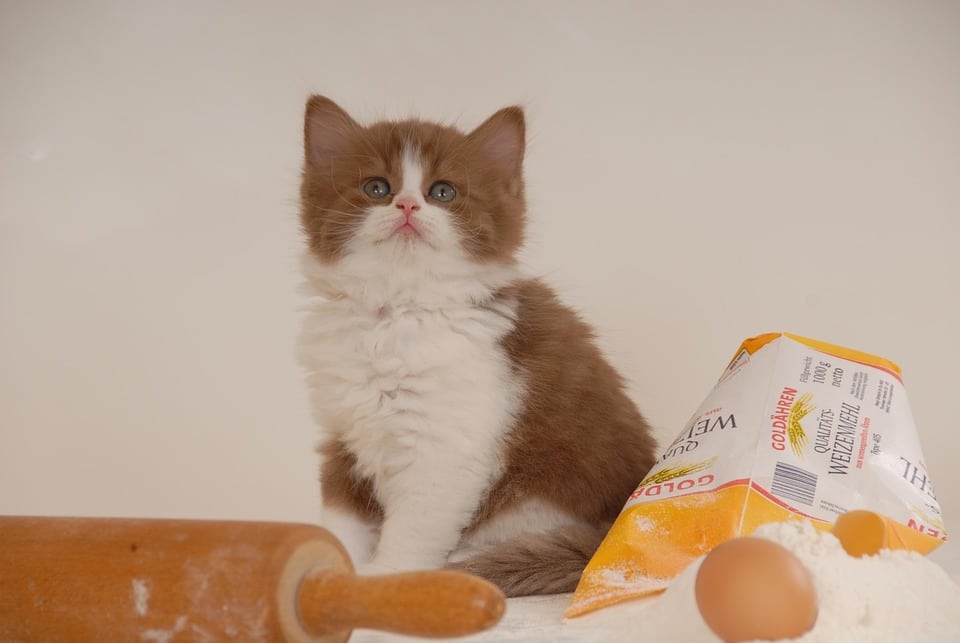
Discover the Unique Charm of British Longhairs: Pets with Personality!
When it comes to cats, few breeds encompass a blend of charm, grace, and personality quite like the British Longhair. This captivating breed has been a cherished companion for many pet lovers, embodying both style and personality. In this article, we’ll delve into the history, temperament, grooming needs, health considerations, and suitability of British Longhairs for different households. We’ll also explore how these lovely creatures, along with our furry friends in general, can serve as emotional support animals (ESAs), providing comfort and companionship.
A Detailed Overview of British Longhairs
History
The British Longhair is a cousin to the British Shorthair and shares a rich heritage dating back to the Roman invasion of Britain. Brought over by Roman soldiers, these cats were bred for their hunting prowess. Over time, their long, luxurious fur and stout body have made them a distinguishing breed in the feline world. The British Longhair was officially recognized by cat registries in the late 20th century, leading to a surge in popularity thanks to their unique looks and playful temperaments.
Temperament and Personality Traits
British Longhairs are famous for their affable nature. They are known to be gentle, friendly, and affectionate, making them perfect companions for families, singles, and seniors alike. Here are some key personality traits to consider:
- Affectionate: They thrive on human interaction and enjoy cuddling with their owners.
- Intelligent: These cats are quick learners and can pick up tricks and commands if taught properly.
- Social: They are not overly demanding but enjoy the company of people and other pets, making them adaptable to different social situations.
- Playful: Their playful antics can bring joy to any home; they love interactive toys and cat trees.
Grooming Needs
Despite their beautiful long fur, British Longhairs are relatively low-maintenance when it comes to grooming. Here are some tips:
- Brushing: Regular brushing, at least once a week, helps prevent matting and keeps their fur shiny. During shedding seasons, more frequent brushing is advisable.
- Bathing: They generally do well with occasional baths, especially if they get into something messy.
- Nail Trimming: Regularly check and trim their nails to prevent overgrowth.
Health Considerations
British Longhairs are generally healthy, but like all breeds, they can be prone to certain health issues. Some common concerns include:
- Obesity: Care should be taken to monitor their diet and ensure they get enough exercise.
- Dental Health: Regular dental checkups and cleaning are recommended to prevent dental problems.
- Hypertrophic Cardiomyopathy (HCM): This heart condition can occur in cats, so routine vet checkups are essential.
Suitability for Different Types of Households
British Longhairs can fit comfortably into various living situations:
- Families: They are great with children and can adjust well to a lively home.
- Singles: Their affectionate nature makes them excellent companions for those living alone.
- Seniors: Their low-energy demeanor means they require less stimulation, making them ideal for older adults.
Tips for Training and Socializing
Training and socializing British Longhairs is straightforward. Here are some pointers:
- Start Early: Begin socializing your cat at a young age to help them adjust to a variety of situations.
- Positive Reinforcement: Use treats and praise to reinforce good behavior during training sessions.
- Interactive Play: Engage your cat in interactive playtime to strengthen your bond and provide physical stimulation.
What is an emotional support animal (ESA)?
An Emotional Support Animal (ESA) is a pet that provides comfort and support to individuals with mental health issues. Unlike service animals trained to perform specific tasks, ESAs are there to offer companionship and alleviate feelings of anxiety, depression, and stress. Designating your pet as an ESA can bring numerous benefits, including:
- Legally Protected Accommodations: ESAs have the right to reside with their owners in housing situations where pets are typically prohibited.
- Travel Benefits: ESAs can accompany their owners on flights, offering comfort in stressful travel conditions.
The Mental and Emotional Health Benefits of ESAs
Pets have an incredible ability to impact our emotional well-being. Research reveals that animals like cats and dogs can reduce anxiety, create feelings of safety, and provide companionship. Here are a few ways pets support emotional health:
- Reduced Stress: Spending time with your pet can lower cortisol levels, leading to decreased feelings of stress.
- Companionship: Pets provide a sense of connection and belonging, especially for those feeling isolated.
- Routine and Structure: Caring for a pet adds routine to life, which can be beneficial for managing anxiety and depression.
Real-Life Examples
Many individuals have shared their life-changing experiences with ESAs. One heartwarming story involves a young woman who struggled with anxiety and depression. After adopting a British Longhair cat, she found that her furry companion offered her comfort during panic attacks and helped her establish a more stable routine.
Key Information
- Breed Overview: British Longhairs are affectionate, intelligent, and social cats.
- Grooming Needs: Regular brushing and occasional baths are essential.
- Health Considerations: Monitor for obesity, dental issues, and heart conditions.
- Suitability: Ideal for families, singles, and seniors.
- ESAs: Provide emotional support and can be designated for legal protections.
How Dogs and Cats Provide Emotional Support
The impact of pets on mental health is backed by science. A study published in the Journal of Psychiatric Research found that individuals with pets reported lower depression and anxiety levels. Here’s why pets can be such powerful emotional support:
- Oxytocin Release: Interacting with pets promotes the release of oxytocin, the “love hormone,” which fosters an emotional bond.
- Physical Touch: Petting an animal can release serotonin and dopamine, neurotransmitters that enhance mood.
- Mindfulness: Caring for a pet encourages mindfulness and helps individuals focus on the present moment instead of their worries.
FAQs About Emotional Support Animals
-
Can any pet be an ESA?
- Yes, dogs and cats are the most common, but other animals can also qualify depending on their ability to provide emotional support.
-
Do you need a doctor’s note for an ESA?
- Yes, you generally need documentation from a licensed mental health professional to designate your pet as an ESA.
-
What is the difference between an ESA and a service animal?
- Service animals are trained to perform specific tasks for individuals with disabilities, while ESAs provide general emotional support.
-
Can ESAs accompany you in public places?
- While ESAs do not have the same legal rights as service animals, many establishments allow them as a courtesy.
-
How can I get my pet certified as an ESA?
- Speak to a mental health professional or use online resources like Veripaw.org to connect with licensed professionals for documentation.
-
Can I take my ESA on flights?
- Many airlines allow ESAs in the cabin, but policies may vary, so check with the airline beforehand.
-
Does my ESA have to be trained?
- Unlike service animals, ESAs do not require specific training, but basic obedience is helpful.
-
Can I adopt an ESA from a shelter?
- Yes, many people find their perfect ESA at local shelters and rescues.
Conclusion
The British Longhair, with its stunning appearance and endearing personality, is a wonderful companion for many individuals and families. Not only does this breed enrich our lives with their playful antics and affectionate natures, but they can also serve as vital Emotional Support Animals. If you’re considering designating your pet as an ESA, look no further than Veripaw.org, which has been connecting pet owners with licensed mental health professionals since 2012. They provide the necessary documentation and offer high-quality accessories to ensure you and your companion have everything you need. Don’t hesitate — take the next step towards enhancing your emotional support journey today!


