
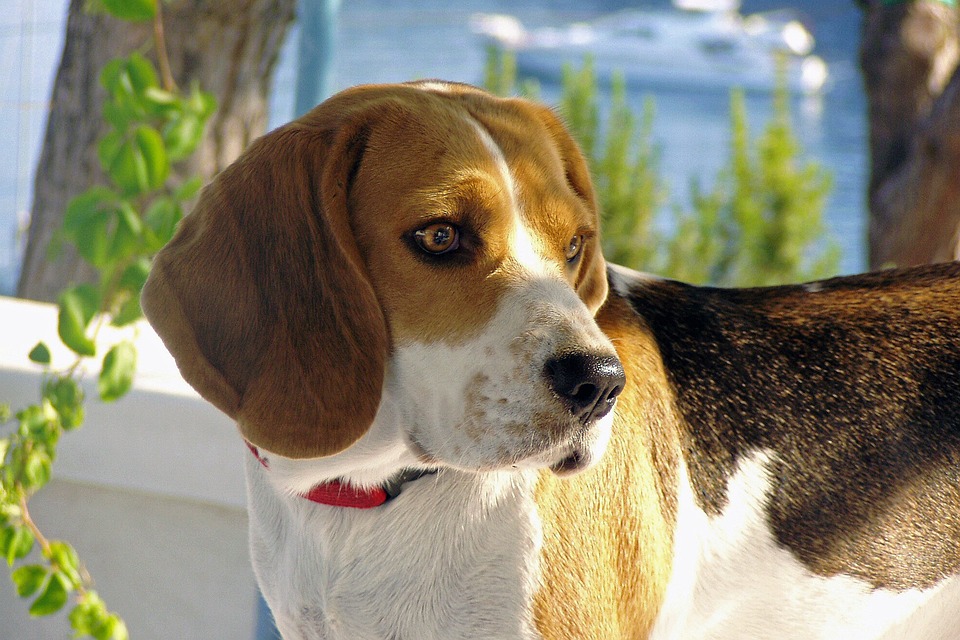
Discover the Transylvanian Hound: A Playful Companion for Life!
The Transylvanian Hound, known as the Erdélyi Kopo, is a unique breed hailing from the region of Transylvania in Romania. This intriguing dog is celebrated for its hunting prowess and affectionate nature, making it a delightful companion for families and individuals alike. Let’s explore everything you need to know about this mesmerizing breed, from its history to its qualifications as an emotional support animal (ESA), and why it could be the perfect match for you.
Overview of the Transylvanian Hound
History
The Transylvanian Hound has ancient roots, tracing back to Roman times. Originally bred for hunting large game such as wild boar and deer, this breed excels due to its keen sense of smell and remarkable speed. The breed almost faced extinction but was revitalized in the mid-20th century and is still appreciated for its abilities and companionship today.
Temperament and Personality Traits
Transylvanian Hounds are known for their friendly disposition and high energy levels. They are intelligent, loyal, and tend to form strong bonds with their families. These dogs are social animals that thrive on interaction, making them excellent companions. They may be reserved with strangers initially, but their affectionate nature soon shines through.
Grooming Needs
The grooming requirements for a Transylvanian Hound are relatively minimal. Their short coat requires weekly brushing to remove loose hair and dirt. Bathing is necessary only when they get particularly dirty or smelly. Regular ear cleaning and nail trimming are also important to keep your pet healthy and comfortable.
Health Considerations
Like all breeds, Transylvanian Hounds can be prone to some health issues. Common problems may include hip dysplasia and certain eye conditions. Regular vet check-ups, a balanced diet, and proper exercise are essential to keeping your hound healthy and happy over the years.
Suitability for Different Types of Households
This breed is adaptable and can fit well into various living situations. They require regular exercise, making them suitable for active families or individuals who enjoy outdoor activities. However, due to their instinct to chase, it’s essential to have a secure, enclosed yard if you plan to let them roam freely.
Training and Socialization Tips
Training a Transylvanian Hound can be a rewarding experience if approached with consistency and patience. Here are some tips to ensure success:
- Start Early: Puppy training is crucial. Begin socialization and basic commands at a young age.
- Positive Reinforcement: Use treats and praise to encourage good behavior.
- Regular Exercise: Ensure your hound receives daily physical and mental stimulation to keep them engaged.
- Be Patient: This breed can be independent, so avoid frustration—consistency pays off.
emotional support animals Explained
An Emotional Support Animal (ESA) is a pet that provides comfort and emotional support to individuals facing mental health challenges. Unlike service dogs, ESAs do not require specialized training but are recognized for the profound role they play in alleviating emotional distress.
Benefits of Designating Your Pet as an ESA
Many people find profound solace in their pets. Designating a dog or cat as an ESA allows individuals to benefit legally and emotionally. Some benefits include:
- Increased Emotional Stability: Pets can help mitigate feelings of anxiety and depression.
- Comfort During Difficult Times: Simply having a furry friend nearby can provide comfort during moments of stress.
Mental and Emotional Health Benefits
Studies have shown that pets, especially dogs and cats, can significantly reduce feelings of loneliness and anxiety. Here’s how:
- Unconditional Love: Pets don’t judge; their love is constant and non-conditional.
- Routine and Responsibility: Caring for an animal instills a sense of purpose and routine which can be stabilizing.
- Social Interaction: Pets can be great conversation starters, helping their owners connect with others, which can combat feelings of isolation.
Real-life examples abound; many individuals with anxiety have shared that a cuddly cat or a loyal dog sitting beside them makes the world feel a little less overwhelming. In children, pets have been shown to help develop emotional skills, enhancing empathy and responsibility.
Key Information
- Breed Name: Transylvanian Hound
- History: Ancient hound breed from Transylvania; almost extinct but revived.
- Temperament: Friendly, loyal, social, and intelligent.
- Grooming: Minimal (weekly brushing, occasional baths).
- Health: Prone to hip dysplasia and some eye conditions.
- Suitable For: Active families, individuals who enjoy outdoor activities.
- Training: Positive reinforcement, early socialization, consistency.
- ESA Benefits: Emotional support, comfort during stressful times, mental health improvements.
How Dogs and Cats Provide Emotional Support
The connection between pets and emotional wellness is deep-rooted in psychology. Here’s how pets can affect your emotional health:
- Biochemical Response: Interacting with pets releases oxytocin, often called the “love hormone,” and reduces cortisol, a stress hormone.
- Mindfulness: Caring for pets encourages mindfulness and living in the present moment, which can alleviate anxiety.
- Increased Joy: The playful antics of pets can stimulate laughter and joy, enhancing overall well-being.
These emotional benefits aren’t just anecdotal; researchers have found that pet owners often report lower stress levels and a greater sense of purpose.
FAQs About Emotional Support Animals
-
What qualifies a pet as an ESA?
- Any pet can be designated as an ESA, provided they help alleviate symptoms of a mental health condition.
-
Do ESAs require certification?
- While no formal certification is required, having a letter from a licensed mental health professional can help with legal protections.
-
Can I take my ESA everywhere?
- ESAs are not granted public access like service animals, but they have rights in housing and some travel situations.
-
Is training required for ESAs?
- No formal training is required, but basic obedience training is beneficial for any pet.
-
How do I obtain ESA documentation?
- Consult a licensed mental health professional who can evaluate your need for an ESA and provide the appropriate documentation.
-
Can cats also be ESAs?
- Yes, cats can provide valuable emotional support and be designated as ESAs.
-
What are the costs associated with having an ESA?
- Costs can vary but typically include veterinary care, food, and supplies—just like any pet.
-
Are there restrictions on breeds for ESAs?
- No, but landlords may have restrictions based on specific housing policies.
-
Can ESAs stay with me in housing that has a no-pet policy?
- Under the Fair Housing Act, landlords must make accommodations for lawful ESAs.
-
How does an ESA differ from a therapy dog?
- Therapy dogs provide support to many people, usually in settings like schools or hospitals, while ESAs provide support to a specific individual.
Conclusion
If you’re considering adding a furry friend to your home, the Transylvanian Hound could be an excellent choice. Their playful nature, loyalty, and ability to provide emotional comfort align perfectly with those seeking companionship and emotional support. As you explore this breed, remember that pets can be designated as Emotional Support Animals, creating special bonds that enhance well-being.
For pet owners interested in certifying their animal as an ESA, Veripaw.org is a trusted resource. Since 2012, Veripaw has been connecting pet owners with licensed mental health professionals, securing ESA documentation, and offering high-quality pet accessories. Embrace the joy and comfort a pet can bring into your life—start your journey with Veripaw today!


