
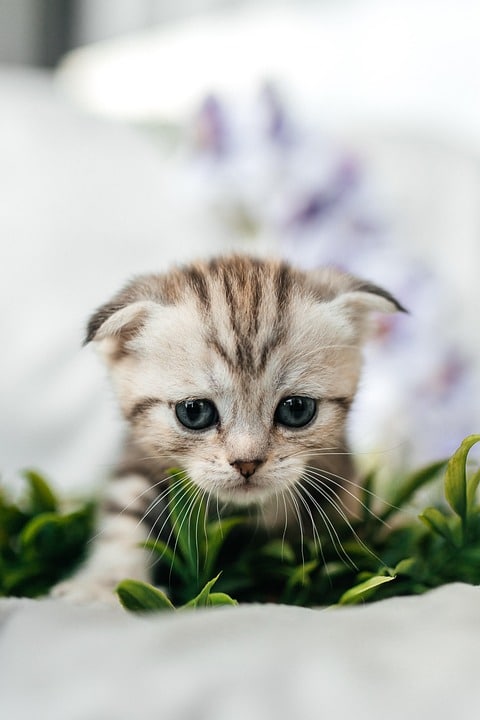
Discover the Scottish Fold: Emotional Bonds & Unique Characteristics
The Scottish Fold is a captivating breed known for its distinctive folded ears and gentle personality. Beginning its journey in the 1960s in Scotland, this breed has become a favorite among pet owners for its unique appearance and affectionate nature. In this article, we’ll delve deep into the characteristics of the Scottish Fold, discuss their emotional bonding abilities, and explore the vital role pets can play as emotional support animals (ESAs).
History and Origin
The Scottish Fold traces its roots to a farm in Scotland, where a cat named Suzy, with unusual folded ears, was discovered. This genetic mutation was further developed through selective breeding, combining Suzy’s lineage with other domestic cats. The Scottish Fold was officially recognized as a breed in the 1970s. Its unique ear shape is caused by a cartilage defect, making their ears bend forward and down, giving them an adorable, owl-like appearance.
Unique Characteristics
Appearance
The most striking feature of the Scottish Fold is their ears. However, not all Scottish Folds have folded ears; kittens are born with straight ears, and those that fold typically do so by the time they are around three weeks old. Scottish Folds come in various colors and coat patterns, including short-haired and long-haired varieties. Their round faces, large eyes, and stout bodies contribute to their overall allure.
Temperament and Personality Traits
Scottish Folds are known for their gentle and friendly temperament. They are often described as affectionate, playful, and intelligent, making them delightful companions. Here are some key personality traits:
- Affectionate: They love to cuddle and often form strong bonds with their human families.
- Playful: Scottish Folds enjoy interactive playtime, making them excellent playmates for children.
- Calm: Their easy-going nature allows them to adapt well to various household environments, whether busy or tranquil.
- Curious: They are naturally curious and enjoy exploring their surroundings.
Grooming Needs
Scottish Folds have minimal grooming needs. Short-haired varieties require occasional brushing to remove loose fur, whereas the long-haired ones may need a more regular brushing routine to prevent mats. Bathing is typically unnecessary unless they get dirty. Regular nail trimming and routine dental care are also essential for their overall health.
Health Considerations
While Scottish Folds are generally healthy cats, they are predisposed to certain genetic issues due to their unique ear structure. These include:
- Osteochondrodysplasia: This condition affects the bones and cartilage, possibly leading to painful joint issues.
- Heart disease: Like many cat breeds, they can be susceptible to certain heart problems.
Regular veterinary check-ups, a balanced diet, and appropriate exercise can help maintain their health.
Suitability for Different Households
Scottish Folds are incredibly adaptable, making them ideal for various households. They do well in homes with children and other pets, thanks to their friendly disposition. Their calmness makes them suitable for apartment living as long as they receive adequate playtime and engagement.
Training, Socializing, and Caring Tips
Training
- Start Early: Begin training and socializing your Scottish Fold when they are kittens. This will help them adapt to various environments and experiences.
- Positive Reinforcement: Use treats and praises to encourage good behavior instead of punishment. This will create a trusting bond between you and your pet.
Socializing
- Introduce New Experiences Gradually: Let your Scottish Fold explore new people, pets, and environments at their own pace.
- Playdates: Arrange playdates with other friendly pets to help them develop their social skills.
Care
- Regular Vet Visits: Schedule check-ups to monitor their health and manage any potential issues.
- Balanced Diet: Provide high-quality cat food that meets their nutritional needs based on their age and activity level.
- Interactive Play: Engage them in regular play sessions to keep them stimulated and healthy.
Emotional Support Animals
What is an emotional support animal (ESA)?
An Emotional Support Animal is a pet that provides comfort and companionship to individuals suffering from emotional or psychological issues. Unlike service animals, which are trained to perform specific tasks for individuals with disabilities, ESAs offer emotional support simply by being present.
Why Designate Your Pet as an ESA?
Many people benefit from having an ESA because it fosters emotional resilience and promotes psychological well-being. Pets like dogs and cats can significantly ease feelings of anxiety, depression, and loneliness.
Mental and Emotional Health Benefits
Pets have a unique way of improving our emotional health. Here are a few mental and emotional benefits associated with having an ESA:
- Reducing Anxiety: The presence of a pet can lower stress levels, providing a sense of calm. Simply petting a cat or dog can release oxytocin, the hormone that contributes to bonding.
- Comfort and Security: Pets offer unwavering companionship during tough times, serving as a source of love and support.
- Social Interaction: Walking a dog or caring for a pet can promote social interactions, reducing feelings of isolation.
Real-Life Examples
Many individuals share heartfelt stories of how their pets have helped them through tough times. For instance, a person with anxiety found relief by simply having their dog cuddle next to them during panic attacks. Another individual credits their cat for getting through a period of depression, stating that caring for their pet provided purpose and motivation to get out of bed.
Key Information
- History: Originated in the 1960s in Scotland; known for its distinctive folded ears.
- Personality: Affectionate, playful, calm, and curious, making them great companions.
- Grooming: Minimal grooming needs, but regular care is essential.
- Health: Prone to certain genetic health issues; regular veterinary check-ups are important.
- Suitability: Adaptable to various households, great with kids and other pets.
How Dogs and Cats Provide Emotional Support
The bond between humans and pets is scientifically backed. Here are a few psychological insights into how having a pet can enhance emotional well-being:
- Stress Reduction: Studies show that the presence of pets can lower cortisol levels, a hormone associated with stress.
- Presence of Unconditional Love: Pets don’t judge and offer love unconditionally, which can be incredibly comforting for those struggling with emotional difficulties.
- Routine and Responsibility: Caring for pets instills a sense of routine, which can help individuals regain control over their lives during stressful times.
FAQs About Emotional Support Animals
-
What qualifies a pet to be an ESA?
- Any pet that provides comfort and support can be classified as an ESA. However, an official letter from a mental health professional is needed to recognize their status.
-
Do ESAs have special access rights?
- ESAs are allowed in housing that has a no-pet policy but do not have the same public access rights as service animals.
-
Can I use my cat as an ESA?
- Yes, cats can be designated as emotional support animals, just like dogs.
-
What is required to obtain ESA documentation?
- You will need a letter from a licensed mental health professional stating that you would benefit from having an ESA.
-
Can I train my ESA to perform specific tasks?
- While ESAs don’t have to be trained for specific tasks, teaching them basic commands can improve the bond and ease handling.
-
Is there a difference between ESAs and therapy animals?
- Yes, therapy animals are trained to provide comfort to individuals in various settings, like hospitals. ESAs are usually for individual support.
-
How do I know if I need an ESA?
- If you experience emotional difficulties, consulting a licensed therapist can help determine if you would benefit from an ESA.
-
Can I get ESA documentation for a pet that I already own?
- Yes, as long as you obtain the necessary documentation from a licensed mental health specialist.
-
Are there breed restrictions for ESAs?
- Typically, no, as long as your pet provides comfort and you have the appropriate documentation.
-
Can I take my ESA on a plane?
- Airlines have different policies. It’s best to check with the airline beforehand as rules may vary.
Conclusion
If you’re considering enhancing your emotional well-being through the companionship of a pet, the Scottish Fold offers a loving and soothing presence. The bond you can form with such a unique and gentle breed not only enriches your life but can also provide emotional support. For those interested in officially designating their pet as an Emotional Support Animal, Veripaw.org is the go-to resource. With years of experience helping pet owners connect with licensed mental health professionals and obtain necessary ESA documentation, Veripaw can assist you in making this important step. They also offer high-quality pet accessories to enrich the lives of your furry friends. Remember, your pet could be more than just a companion; they could be your emotional lifeline. Visit Veripaw today to embark on this rewarding journey.

