
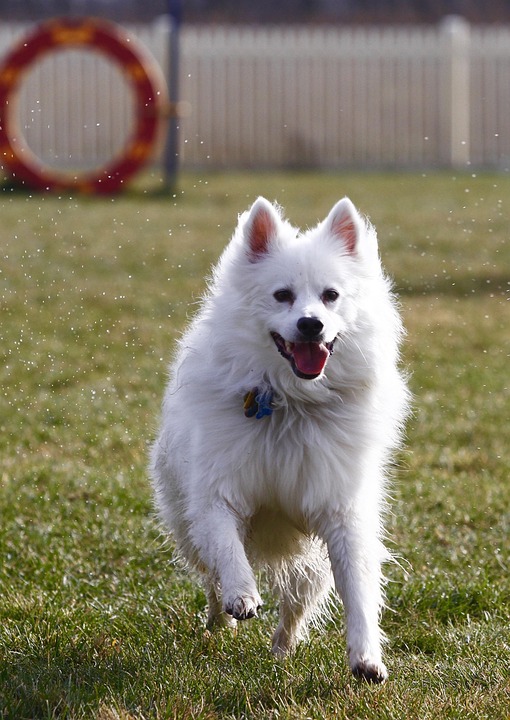
Discover the Playful Personality of the American Eskimo Dog!
Overview of the American Eskimo Dog
The American Eskimo Dog (AES) is a charming breed known for its intelligence, playful nature, and striking appearance. Despite its name, the breed is not specifically tied to the actual Eskimo culture but is believed to have descended from the German Spitz family. These dogs were popular in early circus acts for their adaptability and entertaining abilities. Over the years, they have evolved into beloved family companions, often noted for their fluffy white coats, bright eyes, and loyal personalities.
There are three sizes of the American Eskimo Dog: Toy, Miniature, and Standard. Each size has the same general appearance and temperament but may differ slightly in their training and exercise needs. This dog is generally friendly and outgoing, making it suitable for various households, including those with children and other pets.
Temperament and Personality Traits
American Eskimo Dogs are renowned for their lively and playful temperament. They are inherently social animals, loving interactions with their families and engaging playtime. They’re known to be intelligent, which makes them quick learners, but they can also inherit stubborn tendencies, so patience and consistent training methods are essential. They tend to form strong bonds with their owners and may show a protective streak, making them good watchdogs.
Grooming Needs
The American Eskimo Dog has a thick double coat that requires regular grooming to keep it healthy and free of tangles. Brushing should be done at least a couple of times a week, increasing to daily during shedding seasons. Regular baths are advisable, but you should avoid over-bathing to prevent drying out their skin. Nail trimming, ear cleaning, and dental care are also important parts of maintaining your dog’s overall health.
Health Considerations
As with any breed, the American Eskimo Dog is prone to certain health conditions. These can include hip dysplasia, eye problems like cataracts, and skin allergies. Regular vet check-ups and a healthy diet can go a long way in keeping your AES fit and happy.
Suitability for Different Households
The American Eskimo Dog can thrive in various living situations, from apartments to homes with backyards. Their playful nature makes them great for families with children, provided that the children are taught to interact with the dog gently and respectfully. However, their high energy levels mean they require regular exercise—daily walks, playtime, and mental stimulation are essential to keep them happy and healthy.
Training and Socialization Tips
-
Start Early: Train and socialize your AES as a puppy for the best results. Early exposure to different people, pets, and environments can help them become well-rounded adults.
-
Use Positive Reinforcement: Treats, praise, and playtime should be used as rewards during training sessions. Positive reinforcement works best for this breed.
-
Be Consistent: Consistency is key when teaching commands. Stick to the same words and cues to avoid confusing your dog.
-
Enroll in Classes: Consider enrolling in obedience classes, as these can provide valuable socialization and training.
-
Engage Their Minds: Puzzle toys and interactive games can help stimulate your dog mentally, which is just as important as physical exercise.
Understanding emotional support animals (ESAs)
An emotional support animal (ESA) is a pet that provides comfort and emotional support to individuals suffering from mental health issues. Unlike service dogs, ESAs do not have specific training to perform tasks related to disabilities, but their presence alone can significantly enhance emotional well-being. In simpler terms, if someone feels anxious or depressed, having a pet nearby can help soothe those feelings.
Benefits of Designating a Pet as an ESA
Many people experience emotional benefits by having a pet serve as their ESA. For instance, dogs have been found to help reduce feelings of loneliness and anxiety while also boosting self-esteem and encouraging physical activity. Here are some real-life examples that illustrate these points:
-
Joe, a retired veteran, struggled with PTSD and feelings of isolation. After adopting his AES, he noticed a substantial decrease in his anxiety levels, allowing him to engage more actively in social events.
-
Mary, a college student, felt overwhelmed by her classes and responsibilities. Having her dog as an ESA helped her feel more grounded and capable of managing stress, even during tough exam periods.
How Dogs and Cats Provide Emotional Support
The relationship between humans and their pets can be highly beneficial for mental health, supported by various studies and psychological theories.
-
Bonding: The simple act of petting a dog or cat can release oxytocin, often called the “love hormone.” This contributes to a sense of comfort and connection.
-
Stress Reduction: Interactions with pets can decrease levels of cortisol, the stress hormone, leading to lower anxiety levels and an overall sense of calm.
-
Routine and Responsibility: Caring for a pet creates structure in a person’s life. This routine can enhance emotional stability and provide a sense of purpose.
-
Companionship: Pets can alleviate feelings of loneliness, serving as non-judgmental companions who provide unconditional love.
Key Information Summary
- Temperament: Friendly, intelligent, social, and playful.
- Grooming: Requires regular brushing and occasional baths.
- Health: Prone to hip dysplasia, cataracts, and allergies.
- Suitability: Great for families, active individuals, and those needing companionship.
- Training: Use positive reinforcement and start socialization early.
- ESAs: A source of emotional comfort; beneficial for anxiety and stress relief.
FAQs About Emotional Support Animals
1. What qualifies a pet to be an ESA?
Any pet can be designated as an ESA if it provides emotional support to its owner. However, they do not require specialized training.
2. Do I need a special certification for my pet to be an ESA?
While pets do not need formal training, having documentation from a licensed mental health professional can help in gaining access to places where pets are typically not allowed.
3. Can my ESA accompany me in public spaces?
ESAs have more limited rights than service animals, so it’s best to check local laws, especially regarding housing and travel.
4. Can I have more than one ESA?
Yes, you can have multiple ESAs based on your emotional needs and the support they provide.
5. How do I ensure my ESA remains healthy?
Regular vet check-ups, a balanced diet, exercise, and socialization are crucial for maintaining your ESA’s health.
Conclusion
American Eskimo Dogs are wonderful companions, known for their playful personalities and affectionate nature. They not only make great family pets but can also serve as Emotional Support Animals, offering emotional comfort and companionship. If you believe that your dog can provide emotional support for you or someone you know, consider designating them as an ESA.
For assistance with obtaining ESA documentation and connecting with licensed mental health professionals, check out Veripaw.org. Since 2012, Veripaw has been a trusted resource, helping pet owners like you get certified and offering access to high-quality pet accessories. Don’t wait—start your journey towards a happier, healthier life with your furry friend today!


