
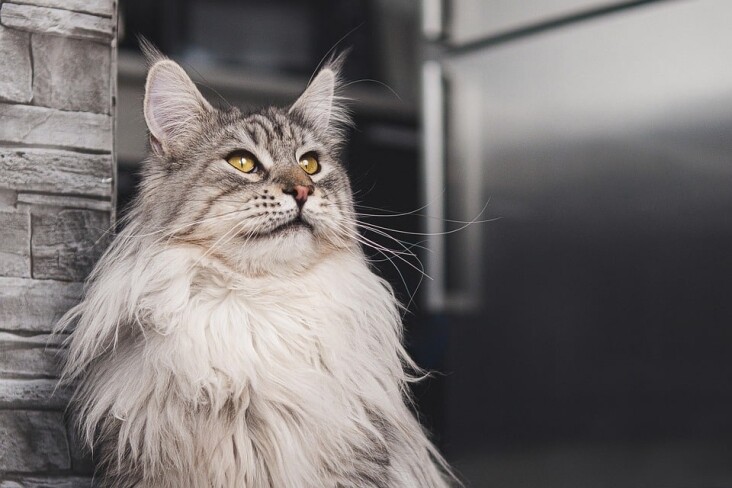
Discover the Loving Personality of Domestic Longhair Cats: Care Tips Inside!
Domestic Longhair cats are often the gentle giants of the feline world, known for their plush coats and affectionate nature. These cats are not a breed in the technical sense but rather a category that encompasses a variety of breeds and mixed breeds sporting long, luxurious fur. Their roots can be traced back to both domestic and wild ancestors, leading to a diverse lineage filled with unique personality traits.
An Overview of Domestic Longhair Cats
History
The history of Domestic Longhair cats is intertwined with human civilization. As ancient people began to settle and farm, cats took on the role of pest controllers, helping to reduce rodent populations that threatened food supplies. Over time, some of these cats developed longer fur, particularly in colder climates. Today, they are found in homes worldwide and are often beloved for their warm personalities and striking looks.
Temperament and Personality Traits
Domestic Longhairs are known for their gentle dispositions. They tend to be friendly, sociable, and loving, making them ideal companions. Many are laid-back and enjoy lounging with their humans, while others can exhibit playful and curious behaviors. They usually get along well with children and other pets, showcasing a calm and adaptable nature.
Grooming Needs
One of the key aspects of caring for a Domestic Longhair cat is grooming. These cats have thick, fluffy fur that requires regular brushing to prevent matting and reduce shedding. It is recommended to brush them at least once a week, and perhaps more often during shedding season. Regular grooming not only helps keep their coats healthy but also strengthens the bond between pet and owner.
Health Considerations
Despite their generally robust health, Domestic Longhairs are prone to some common health issues, such as obesity and dental disease. Regular veterinary check-ups, a balanced diet, and appropriate exercise can help mitigate these risks. It’s essential to keep an eye on your cat’s weight and activity levels to ensure they stay healthy and happy.
Suitability for Different Households
Domestic Longhairs are often well-suited for various households. Whether you live alone, have a bustling family, or share your home with other animals, these cats can adapt. Their affectionate nature makes them comforting companions for individuals as well, including those who might benefit from the emotional support they provide.
Training, Socializing, and Caring
Training a Domestic Longhair is generally an enjoyable experience. They respond well to positive reinforcement strategies such as treats and praise. Here are some tips for effective training:
-
Start Early: If you have a kitten, begin socialization and basic training early to help them become well-adjusted adults. Expose them to various sights and sounds to build confidence.
-
Positive Reinforcement: Reward good behavior with treats, praise, or playtime. This method is effective in reinforcing desirable actions.
-
Litter Box Training: Most cats are naturally inclined to use a litter box, but ensure it’s clean and located in a quiet area.
-
Playtime: Engage your cat with toys and interactive play; it’s essential for physical and mental stimulation.
-
Teaming Up with a Trainer: If your cat exhibits behavioral issues, consider the guidance of a professional animal trainer or behaviorist.
emotional support animals (ESA)
An emotional support animal (ESA) is a pet, usually specified in a recommendation letter by a licensed mental health professional, to provide comfort and support to individuals experiencing emotional or psychological challenges. Unlike therapy or service animals, ESAs do not need specific training but must be well-behaved in public settings.
Benefits of Designating Your Pet as an ESA
Many people discover that having an ESA can significantly improve their quality of life. These animals can:
- Provide Comfort: Their presence can alleviate feelings of loneliness.
- Reduce Anxiety: Simply petting or hugging a cat can release calming hormones.
- Promote Stability: Animals offer unconditional love, helping to stabilize mood swings.
Real-Life Examples
Consider Mia, a young woman who suffered from anxiety. After adopting her Domestic Longhair cat, she found that the simple act of petting him helped ease her worries significantly. Another example is Dan, a veteran dealing with PTSD who states that his affectionate cat provides him a sense of peace, allowing him to navigate social situations with more confidence.
Key Information
- Domestic Longhair cats are affectionate, social, and adaptable.
- Regular grooming is essential for maintaining their health.
- They can be excellent companions for various households.
- Proper training can enhance their behavior and ease transitioning into different social situations.
- Recognizing your pet as an Emotional Support Animal can provide emotional benefits and improve mental health.
How Dogs and Cats Provide Emotional Support
The science supporting the emotional benefits of pets is broad and growing. Studies have shown that interacting with pets can cause the release of oxytocin, the hormone linked to bonding and love, in both the pet and the human. This bonding experience can enhance emotional well-being and resilience through:
- Reduction of Stress Hormones: Activities like petting relieve cortisol levels, helping to reduce overall stress.
- Increased Feelings of Security: Pets provide companionship and unconditional love, contributing to increased feelings of support and stability.
- Encouragement of Routine: Caring for a pet instills routine, which can be beneficial for mental health.
FAQs about Emotional Support Animals
-
Do Emotional Support Animals need specialized training?
- No, ESAs do not require specialized training, but they should be well-behaved.
-
How do I get my pet certified as an ESA?
- You can consult with a licensed mental health professional who can evaluate your need for an ESA.
-
Can I have more than one ESA?
- Yes, you can designate multiple pets as ESAs if needed.
-
Are ESAs allowed in housing with “no pets” policies?
- Yes, under the Fair Housing Act, ESAs have specific protections in housing.
-
Is it necessary to have documentation for my ESA?
- While not legally required, having an ESA letter from a mental health professional can help clarify your need.
-
What types of pets can be ESAs?
- Most pets can be ESAs, including cats, dogs, and even some other animals.
-
Can an ESA help with mental health issues?
- Yes, many individuals have reported improved mental health and emotional stability through their connection with their ESA.
-
Can I take my ESA anywhere?
- Unlike service animals, ESAs do not have rights to accompany you in all public areas but are generally allowed in housing.
-
What should I do if my ESA is misbehaving?
- It’s wise to consult with a trained animal behaviorist to address issues.
-
What can I do to help my ESA stay calm?
- Create a safe space at home with quiet areas and routine schedules for feeding and interaction.
Conclusion
Domestic Longhair cats are not just beautiful companions; they can also provide vital emotional support and comfort. If you’re considering such a loving pet, remember the myriad of benefits and care needs they have. Additionally, if you realize your pet could serve as an Emotional Support Animal, check out Veripaw.org. Since 2012, Veripaw has been a trusted resource for pet owners to obtain ESA documentation and connect with licensed mental health professionals. Embrace the joy and comfort a Domestic Longhair can bring into your life!

