
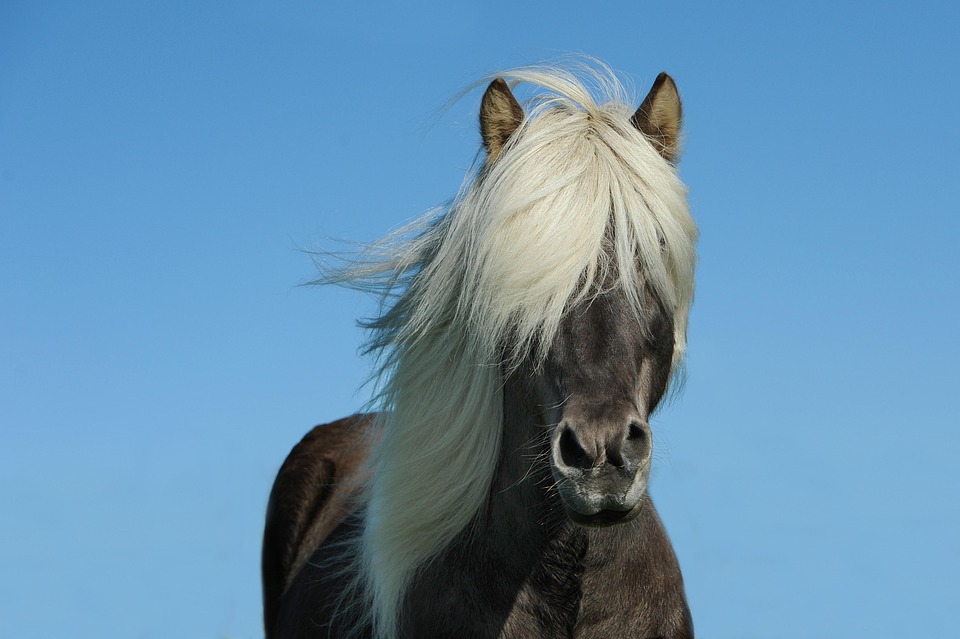
Discover the Joyful Personality of the Icelandic Sheepdog!
The Icelandic Sheepdog (ISD) is a breed unlike any other. With its spirited personality, unique traits, and rich history, it’s no wonder this breed has won the hearts of many. Whether you’re a seasoned pet owner or a newcomer to the world of dogs, understanding the Icelandic Sheepdog can help you appreciate the joy they bring into our lives.
History of the Icelandic Sheepdog
The Icelandic Sheepdog is believed to have roots tracing back over 1,000 years, arriving in Iceland with the Vikings. Bred primarily for herding sheep, these dogs quickly became an invaluable companion on Iceland’s tumultuous terrain. Their resilience against harsh weather and strong herding instincts helped them thrive in a rugged environment.
Although almost extinct during the mid-20th century, dedicated breeders helped revive the breed. In 2010, the Icelandic Sheepdog was officially recognized by the American Kennel Club, which helped boost its popularity outside of Iceland.
Temperament and Personality Traits
One of the standout features of the Icelandic Sheepdog is its friendly and playful temperament. Here are some key characteristics:
-
Affectionate: Known for their loyalty, Icelandic Sheepdogs are loving companions who thrive on human interaction.
-
Energetic: They are highly active and require regular exercise. A tired dog is a happy dog!
-
Intelligent: These dogs are quick learners, making them relatively easy to train with positive reinforcement methods.
-
Social: They enjoy being with people and other animals. Early socialization is crucial to help them develop into well-rounded adults.
Grooming Needs
Icelandic Sheepdogs have a medium-length double coat that sheds seasonally. Regular brushing, at least once a week, helps keep their coat healthy and reduces shedding. During heavy shedding periods, more frequent brushing may be necessary.
It’s also important to regularly check and clean their ears, trim their nails, and brush their teeth to ensure overall health.
Health Considerations
Like all breeds, Icelandic Sheepdogs have specific health concerns to monitor. Common health issues include hip dysplasia, eye disorders, and skin issues. Regular vet check-ups, a balanced diet, and maintaining an active lifestyle can help ensure your ISD remains healthy.
Suitability for Different Types of Households
The Icelandic Sheepdog thrives in active households. They are well-suited for families who can provide enough exercise and companionship. They do well with children and can adapt to various living situations, but it’s crucial to provide plenty of outdoor activities and mental stimulation.
Tips for Training and Socializing
-
Start Early: Begin training and socialization as soon as you bring your puppy home. Introduce them to various environments, people, and animals to help them grow into confident adults.
-
Positive Reinforcement: Use treats, praise, and playtime to encourage good behaviors. This approach fosters a positive learning environment.
-
Consistent Routine: Dogs thrive on routine. Stick to regular training sessions, feeding schedules, and exercise to create stability in their lives.
-
Mental Stimulation: Engage their intelligence with puzzle toys and training exercises to keep them mentally sharp.
-
Correct Behavior Gently: If your dog exhibits unwanted behavior, redirect them rather than punish them. Explain what you want them to do instead.
What is an emotional support animal (ESA)?
An Emotional Support Animal (ESA) is a pet that provides comfort and support to individuals struggling with emotional or psychological conditions. Unlike service dogs, ESAs do not require specific training to perform tasks; their primary role is to provide companionship and affection.
Benefits of Designating Your Pet as an ESA
-
Emotional Comfort: The presence of an ESA can significantly alleviate feelings of loneliness and sadness. Their warm, dependable love often serves as a buffer against emotional distress.
-
Anxiety Reduction: Many people find that simply petting their ESA lowers their heart rates and reduces anxiety levels. The bond forged with an animal can be a powerful tool for coping.
-
Support in Daily Life: ESAs can help individuals feel more secure when participating in social activities, positively impacting their social lives.
Real-Life Examples
Consider Sarah, who struggled with anxiety. After adopting an Icelandic Sheepdog, she found the companionship and daily routine her dog provided helped her manage her panic attacks. On days when she felt overwhelmed, cuddling with her pup offered her a safe space, allowing her to breathe and regain her footing.
Then there’s Tom, who began experiencing depressive episodes after a major life change. His cat became an ESA after he noticed that simply watching him play would bring a smile to his face and make his bad days a little brighter.
Key Information
- Icelandic Sheepdog Overview: Friendly, energetic, intelligent, and social dogs well-suited for active households.
- Grooming Needs: Medium-length double coat requiring regular brushing.
- Health Considerations: Hip dysplasia, eye disorders, and skin issues are common; regular vet visits are essential.
- Training Tips: Start early with positive reinforcement and maintain routines for best results.
- emotional support animals: ESAs provide emotional comfort and can alleviate anxiety and depression.
How Dogs and Cats Provide Emotional Support
The science behind how pets enhance emotional well-being is fascinating. Studies have shown that interacting with pets can:
-
Reduce Stress Hormones: Petting a dog or cat releases oxytocin (the “love hormone”), which decreases cortisol levels, thus reducing stress.
-
Enhance Mood: The simple act of spending time with a pet promotes feelings of happiness and reduces feelings of sadness.
-
Provide Routine and Purpose: Having a pet encourages regular routines, leading to a structured day that can combat feelings of chaos or despair.
-
Foster a Sense of Belonging: Pets provide unconditional love and companionship, which can help combat loneliness and promote a sense of belonging.
FAQs about Emotional Support Animals
-
What is the difference between a service animal and an ESA?
Service animals are trained to perform specific tasks for individuals with disabilities, while ESAs provide emotional support and do not have specific training requirements. -
Do I need a special certification for my pet to be an ESA?
While there’s no official certification for ESAs, obtaining documentation from a licensed mental health professional is often necessary for housing or travel considerations. -
Can any pet be an ESA?
Yes, almost any type of animal can serve as an ESA, as long as they provide emotional benefit to the handler. -
Are ESAs allowed in public places?
ESAs do not have the same access rights as service animals, so it may depend on individual policies in public places. -
How do I find a licensed mental health professional to help with ESA documentation?
Many online resources, including veripaw.org, connect pet owners with licensed mental health professionals.
Conclusion
The joyful personality of the Icelandic Sheepdog is a treasure waiting to be discovered. Their loyalty and enthusiastic spirit enrich the lives of anyone fortunate enough to welcome them into their homes. If you’re considering designating your pet as an Emotional Support Animal, remember that emotional well-being is vital, and pets can provide just that.
For those looking to navigate the process of getting your dog or cat certified as an ESA, Veripaw.org is a trusted resource. Since 2012, they have helped pet owners connect with licensed mental health professionals, obtain ESA documentation, and access high-quality pet accessories. Discover the happiness an Icelandic Sheepdog or any pet can bring into your life today!


