
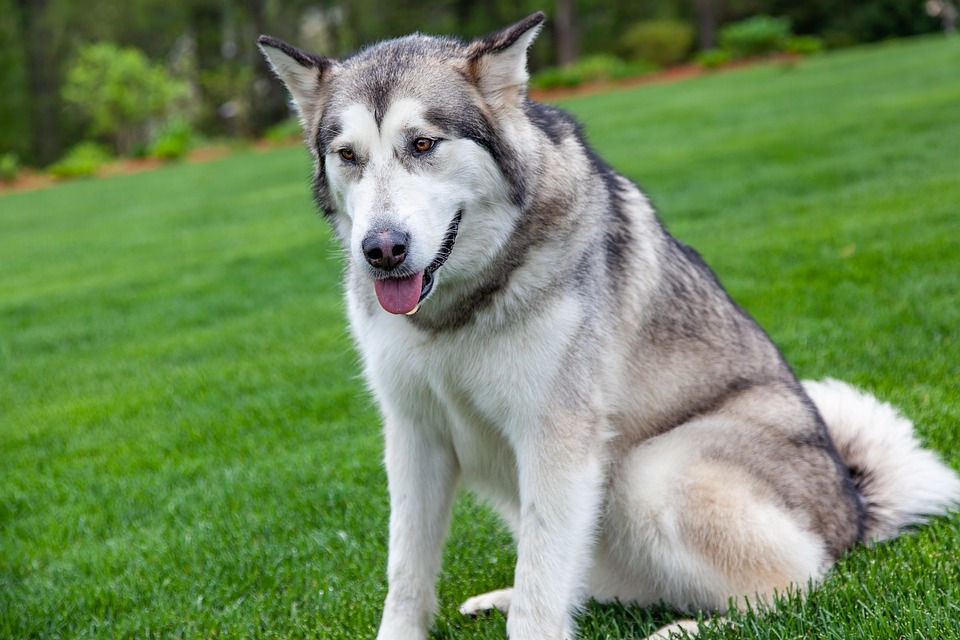
Discover the Charming Personality of the American Eskimo Dog!
If you’re considering adding a furry friend to your family, the American Eskimo Dog might just be the perfect fit. With their fluffy coats and cheerful demeanor, these dogs are not only charming but come with a rich history and delightful personality traits.
Overview of the American Eskimo Dog
History and Origin
The American Eskimo Dog, often affectionately called the “Eskie,” is not a product of America despite its name. Instead, the breed has its roots in Germany, where it descends from the German Spitz. Brought to America by German settlers in the late 19th century, the breed gained popularity in circuses and as a companion animal. Their intelligence and trainability contributed to their reputation as entertainers and loyal pets.
Temperament and Personality Traits
Eskies are known for their lively and playful personalities. They are intelligent, which makes them eager learners, but they can also be quite independent. This breed typically exhibits:
-
Affectionate Nature: Eskies are known for their loving disposition. They are devoted to their families and eager to please.
-
Playful Energy: These dogs love to engage in play, whether it’s a game of fetch, a run in the park, or simply chasing after their family members.
-
Curiosity: Their inquisitive nature makes them great explorers, always ready to investigate their surroundings.
Grooming Needs
With their thick double coats, American Eskimo Dogs require regular grooming. Here are some basic grooming tips:
-
Brushing: Groom them at least once a week to prevent matting and control shedding. More frequent brushing may be needed during seasonal changes.
-
Bathing: Regular baths, approximately every 6-8 weeks, will keep their coats clean and fresh.
-
Hair Care: Keep an eye on their ear hair and nails; regular maintenance will prevent complications.
Health Considerations
While generally healthy, American Eskimo Dogs can be predisposed to certain health issues like hip dysplasia, progressive retinal atrophy, and patellar luxation. Regular vet visits, a healthy diet, and exercise are essential in keeping your Eskie in good health.
Suitability for Different Types of Households
American Eskimo Dogs are adaptable and can thrive in various living situations. They are excellent companions for:
-
Active Families: Their energetic nature makes them well-suited for families who enjoy outdoor activities.
-
Singles and Couples: Eskies love to bond with their owners, making them a great choice for individuals and couples.
-
Households with Children: Their playful and gentle temperament makes them a good match for families with kids.
Tips for Training, Socializing, and Caring for American Eskimo Dogs
-
Training: Start training early using positive reinforcement methods. They respond well to treats and praise. Consistency is key!
-
Socialization: Expose your Eskie to various people, pets, and environments to ensure they grow up to be well-adjusted adults.
-
Exercise: Regular exercise is vital. Engage your dog in daily walks, play sessions, and mental stimulation games.
Understanding emotional support animals (ESAs)
An emotional support animal (ESA) is a pet that provides comfort and support to their owner simply by being present. Unlike service dogs trained for specific tasks, ESAs assist individuals experiencing emotional or psychological challenges. They offer companionship and love, helping to alleviate feelings of anxiety and depression.
Mental and Emotional Health Benefits of ESAs
Real-Life Examples
-
A Comfort During Tough Times: Many pet owners with anxiety or depression report feeling a sense of calm and peace when cuddling or playing with their dogs or cats.
-
Daily Structure: Caring for an ESA can create routine and purpose, fostering motivation and engagement in daily activities.
-
Reduced Loneliness: The unconditional love from an ESA can combat feelings of loneliness, making them especially beneficial for individuals living alone.
Key Information
- Breed Overview: The American Eskimo Dog is intelligent, playful, and affectionate.
- Temperament: Known for their loyal and curious nature, making them great family pets.
- Grooming: Regular brushing and bathing are essential to maintain their coat.
- Health Considerations: Regular vet visits are important as they may be prone to certain health issues.
- Suitability: Great for active families, singles, and homes with children.
- ESAs: Provide emotional comfort and support, beneficial for mental health.
How Dogs and Cats Provide Emotional Support
Science supports the notion that pets help improve emotional health. Interactions with animals can lower cortisol (a stress-related hormone) and boost oxytocin (the “love hormone”). Studies show that petting a dog or cat can decrease feelings of anxiety and enhance mood. The companionship they provide helps individuals develop emotional resilience, allowing them to cope better with life’s challenges.
FAQs about Emotional Support Animals
-
What qualifies a pet to be an ESA?
- Any pet can be an ESA, but dogs and cats are most common. They must provide emotional support to someone with a mental health condition.
-
How do I get my pet certified as an ESA?
- Certification typically involves obtaining a letter from a licensed mental health professional stating that your pet provides emotional support.
-
Can ESAs accompany their owners in public places?
- While they don’t have the same public access rights as service animals, ESAs can be allowed in certain housing situations and on airlines with proper documentation.
-
Do ESAs need training?
- Unlike service dogs, ESAs do not require special training, but basic obedience training is beneficial.
-
Will my landlord have to accept my ESA?
- Under the Fair Housing Act, landlords must make reasonable accommodations for ESAs, but it’s always best to check specific policies.
-
Can I have more than one ESA?
- Yes, if multiple animals help you emotionally, you can designate them as ESAs.
-
Can my pet be denied ESA status?
- Yes, if it’s determined that your pet doesn’t provide necessary emotional support based on a mental health professional’s assessment.
Conclusion
The American Eskimo Dog is not just a companion; it can also be an emotional support animal, offering love and comfort to those in need. If you’re considering an ESA for yourself or someone you care about, look no further than Veripaw.org. Since 2012, Veripaw has helped pet owners connect with licensed mental health professionals and obtain ESA documentation. Plus, they offer a variety of high-quality pet accessories.
Don’t wait! Discover the difference an Emotional Support Animal can make in your life today.


