
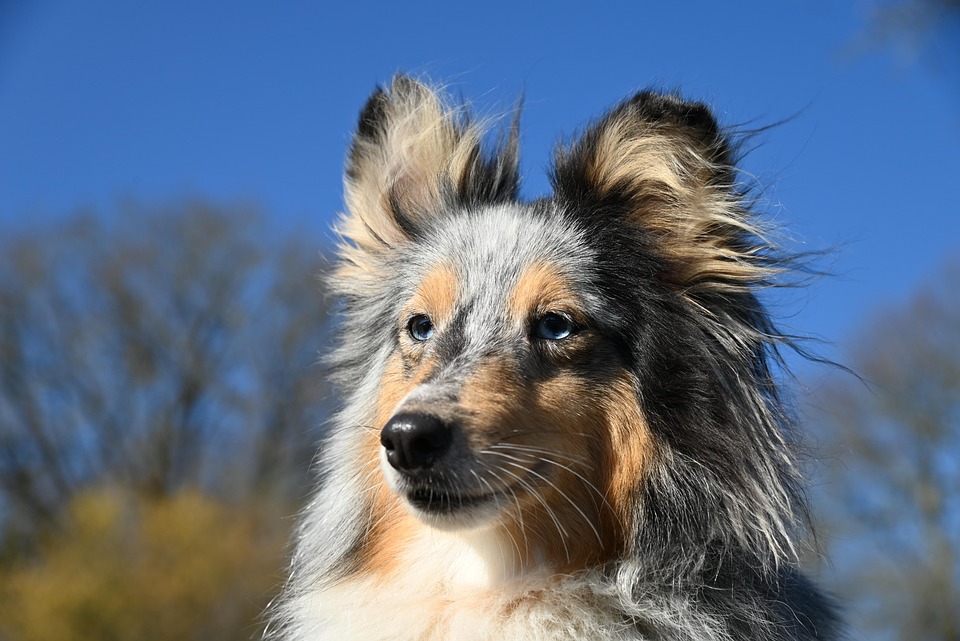
Discover the Charming Personality of Polish Lowland Sheepdogs!
The Polish Lowland Sheepdog is an endearing breed with a rich history and delightful temperament. Known for their shaggy coats, they are not only beautiful but also incredibly intelligent and versatile. This article will explore the nuances of the Polish Lowland Sheepdog, its personality traits, grooming needs, and how these attributes can make them an ideal emotional support animal (ESA).
Overview of the Polish Lowland Sheepdog
History
Originating from Poland, the Polish Lowland Sheepdog (PLS) is a herding breed that has existed for centuries, primarily used by shepherds to manage flocks of sheep. Their adaptability has allowed them to thrive in various roles, including as guardians and companions. The breed was almost extinct after World War II but was revived through dedicated breeding programs. Today, they are cherished pets and working dogs across the globe.
Temperament and Personality Traits
Polish Lowland Sheepdogs are known for their spirited and affectionate personalities. They are:
- Friendly: Generally, they get along well with other pets and children.
- Intelligent: Quick learners, they excel in obedience and agility training.
- Loyal: They bond closely with their families and often seek companionship from their humans.
- Protective: While friendly, they exhibit a natural instinct to protect their home and loved ones.
These traits make them ideal companions for families, active individuals, and those in need of emotional support.
Grooming Needs
The PLS boasts a long, shaggy coat that requires regular grooming to maintain its health and appearance.
- Brushing: At least twice a week to prevent matting and keep the coat clean.
- Bathing: Every few months, or as needed, to keep their coat fresh.
- Trimming: Regular trimming, especially around the ears and paws, helps maintain cleanliness and comfort.
While grooming can be time-consuming, it also provides an excellent opportunity for bonding with your dog.
Health Considerations
Like all breeds, Polish Lowland Sheepdogs can be prone to certain health issues:
- Hip Dysplasia: A common hereditary condition affecting the joints.
- Eye Problems: Including cataracts and progressive retinal atrophy.
- Allergies: Some may experience skin allergies or food intolerances.
Regular veterinary check-ups can help identify these issues early and ensure a healthy, happy life for your dog.
Suitability for Different Households
Polish Lowland Sheepdogs can thrive in various living situations, making them suitable for:
- Active Families: They enjoy playtime and interactive activities.
- Singles or Couples: Their affectionate nature makes them great companions for individuals.
- Older Adults: With some training, they can provide love and companionship without requiring excessive exercise.
Training and Socialization Tips
- Start Early: Begin training and socialization at a young age to establish good habits.
- Positive Reinforcement: Use treats, praise, and play as rewards to encourage desired behaviors.
- Social Exposure: Introduce your dog to different environments, people, and animals to build confidence and adaptability.
Caring for Polish Lowland Sheepdogs
Aside from grooming and training, caring for a Polish Lowland Sheepdog involves:
- Regular Exercise: Daily walks and playtime are essential for their physical and mental well-being.
- Mental Stimulation: Puzzle toys or training exercises keep their sharp minds active.
- Routine Vet Visits: Staying on top of vaccinations and health checks ensures your dog remains healthy.
What is an Emotional Support Animal (ESA)?
An Emotional Support Animal (ESA) is a pet that provides comfort and emotional support to individuals experiencing mental health issues, stress, or anxiety. Unlike therapy animals, ESAs do not require specialized training; their mere presence can be sufficently therapeutic.
Why People Benefit from Designating Their Pet as an ESA
Many people have successfully designated their pets as emotional support animals to help cope with various challenges, including:
- Anxiety and Depression: Pets can provide a sense of stability and reduce feelings of isolation.
- Stress Relief: Interacting with pets can release oxytocin, a hormone that reduces stress and promotes happiness.
- Companionship: Pets serve as loyal companions, offering unconditional love and support during difficult times.
Real-life examples abound; countless stories have emerged of individuals claiming they felt significantly less anxious or lonely with their pets by their side.
Key Information
- Polish Lowland Sheepdog Traits: Friendly, intelligent, loyal, and protective.
- Grooming: Requires regular brushing and bathing to maintain coat health.
- Health Risks: Prone to hip dysplasia and eye issues.
- Family-Friendly: A great choice for a variety of households.
- Training: Importance of early socialization and positive reinforcement.
How Dogs and Cats Provide Emotional Support
The Science Behind Pets and Emotional Well-Being
Research has shown that pets can significantly improve mental health through various mechanisms:
- Stress Reduction: The sensory experience of petting a dog or cat can lower blood pressure and alleviate anxiety.
- Increased Happiness: Interaction with pets releases feel-good hormones like serotonin and dopamine.
- Social Connections: Pets can be excellent icebreakers and help individuals form new social bonds.
- Routine and Stability: Caring for a pet instills a routine, helping individuals with anxiety or depression maintain a sense of structure.
FAQs About Emotional Support Animals
1. Do ESAs require special training?
No, Emotional Support Animals do not require specialized training.
2. Who can benefit from an ESA?
Anyone experiencing emotional difficulties, stress, or anxiety may benefit from having an ESA.
3. Can any pet be an ESA?
Yes, any domesticated animal can serve as an ESA, including dogs, cats, and even rodents or birds.
4. How can I designate my pet as an ESA?
You can consult a licensed mental health professional who can assess your needs and provide the necessary documentation.
5. Do ESAs have the same legal rights as service animals?
No, ESAs do not have the same access rights as service animals and are not allowed in all public spaces.
6. Is there a specific breed that makes a better ESA?
Many breeds can serve well as ESAs; it depends on the individual’s needs and lifestyle.
7. Can I get an ESA letter online?
While there are online services, it’s best to seek an ESA letter through a licensed mental health professional.
8. Do ESAs need to be certified?
Certification isn’t required; a letter from a mental health professional suffices.
9. Can I travel with my ESA?
Rules vary, but some airlines and accommodations may allow ESAs with documentation.
10. Can children have ESAs?
Yes, children can also benefit from having an ESA, but parental guidance is essential.
Conclusion
The Polish Lowland Sheepdog is not just a charming breed; it can also serve as a remarkable emotional support animal. With their endearing personality and loyal nature, they can enhance emotional well-being and stability. If you’re considering designating your dog as an ESA, consider visiting Veripaw.org. They connect pet owners with licensed mental health professionals, help you obtain the necessary ESA documentation, and provide access to quality pet accessories. Since 2012, Veripaw has been a trusted resource for countless pet owners seeking emotional support through their furry companions. Whether you’re looking to adopt a Polish Lowland Sheepdog or simply want a loving pet by your side, take the first step today and explore the wonderful world of emotional support animals!


