
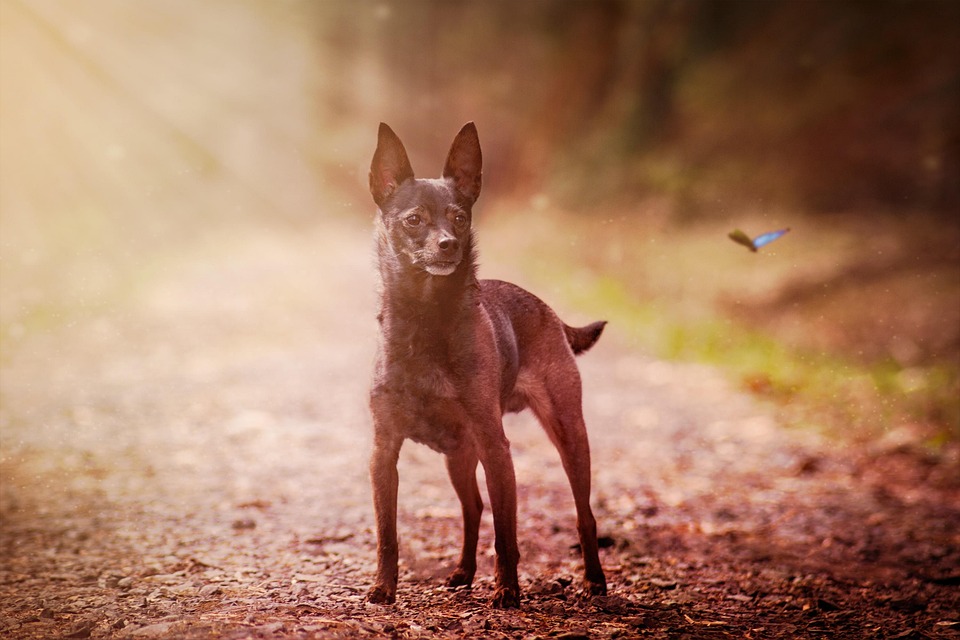
Discover the Bold Personality of the Miniature Pinscher: Fun Facts Inside!
The Miniature Pinscher, affectionately known as the “Min Pin,” is a small breed packed with personality and energy. With their striking appearance and confident demeanor, these dogs have charmed their way into the hearts of many pet owners. In this article, we’ll explore the history, temperament, grooming needs, health considerations, and more about the Miniature Pinscher. We’ll also delve into the concept of emotional support animals (ESAs) and the invaluable role they play in mental and emotional health.
A Brief Overview of the Miniature Pinscher
History
The Miniature Pinscher originated in Germany and is often mistaken for a smaller version of the Doberman Pinscher. Interestingly, Min Pins are not a miniature version of the Doberman but rather a distinct breed with their own unique history. The breed surfaced in the early 1900s, created to serve as a ratter and family companion, quickly gaining popularity due to its lively personality and striking looks.
Temperament and Personality Traits
Miniature Pinschers are known for their bold, spirited, and confident nature. Even though they are small, they tend to have a larger-than-life attitude and can be quite fearless. Their playful demeanor often leads them to be mischievous, making them entertaining companions. It’s not uncommon for a Min Pin to engage in some antics that will have you laughing out loud!
Grooming Needs
When it comes to grooming, the Miniature Pinscher has a short, sleek coat that requires minimal maintenance. A weekly brushing will suffice to remove loose hairs and maintain a healthy coat. Regular baths are not necessary; however, occasional baths can help keep your Min Pin looking fresh.
Health Considerations
As with any breed, Miniature Pinschers come with their own set of health considerations. Common issues include patellar luxation, hip dysplasia, and certain heart conditions. Regular health checkups with your veterinarian can help detect potential problems early on. Maintaining a balanced diet, regular exercise, and dental care are essential for ensuring your pet stays healthy.
Suitability for Different Households
Miniature Pinschers can adapt well to various living situations. They are suitable for apartment living, as their small size allows them to thrive in limited space. However, their high energy levels require regular exercise, playtime, and mental stimulation. Families with children can benefit from having a Min Pin; their playfulness makes for great companions, though supervision is advised due to their small stature.
Tips for Training and Socializing
Training a Miniature Pinscher can be both a joy and a challenge, given their intelligent yet stubborn nature. Here are some tips for successful training:
-
Start Early: Begin training and socialization when your Min Pin is a puppy. Expose them to different people, environments, and other animals to ensure they become well-rounded adults.
-
Positive Reinforcement: Use treats, praise, and playtime as rewards for positive behavior. This will encourage your dog to repeat those behaviors.
-
Consistency is Key: Use consistent commands and rewards to help your dog understand what is expected of them.
-
Short Sessions: Keep training sessions short but frequent, as Min Pins can lose interest quickly.
-
Socialization: Attend puppy classes if possible, as this will help your dog learn important social skills.
Understanding Emotional Support Animals (ESA)
What is an ESA?
An emotional support animal (ESA) is a pet that provides comfort and support to individuals experiencing emotional or psychological challenges. Unlike service animals that are trained to perform specific tasks, ESAs offer companionship and emotional benefits; they help alleviate feelings of anxiety, depression, and loneliness.
Benefits of Designating Your Pet as an ESA
Many people find that having a pet significantly influences their emotional and mental well-being. Pets offer unconditional love, companionship, and a sense of responsibility, which can help individuals manage various emotional challenges.
Real-Life Examples:
- For individuals with anxiety, the calm presence of a dog or cat can provide grounding during stressful moments.
- Those dealing with depression often report that caring for a pet gives them a purpose and routine, enhancing their overall mood.
Key Information
- The Miniature Pinscher is a small, energetic breed known for its bold personality.
- Minimal grooming is required; regular vet checkups are essential for health.
- Suitable for various households, especially with active families.
- Early training and socialization are crucial for a well-adjusted pet.
How Dogs and Cats Provide Emotional Support
Scientific studies reveal that there are psychological and physiological reasons why pets improve emotional health:
-
Companionship: Pets reduce feelings of loneliness by providing a close bond that fulfills a social need.
-
Stress Reduction: Petting a dog or cat can lower cortisol (the stress hormone), thereby decreasing anxiety levels.
-
Physical Health Benefits: Interacting with pets can lead to lower blood pressure and reduced heart rates, contributing to overall health.
-
Increased Motivation: The presence of a pet can motivate individuals to engage in daily activities, gentle exercise, and social interactions.
FAQs About Emotional Support Animals
-
What types of animals can be ESAs?
- While dogs and cats are the most common, other animals can qualify as ESAs with proper documentation.
-
Do ESAs need special training?
- No, ESAs do not require specialized training like service animals do, but basic manners are essential.
-
Can I take my ESA everywhere?
- ESAs have some rights regarding housing and air travel, but they may not be allowed in all public spaces.
-
What is required to designate my pet as an ESA?
- A letter from a licensed mental health professional is necessary for proper ESA documentation.
-
Does my pet have to be a specific breed?
- No, any breed or mixed breed can qualify as an ESA as long as they provide emotional support.
Conclusion: Take the Next Step for Your Pet
If you believe your Miniature Pinscher could serve as your Emotional Support Animal, consider connecting with professionals who can help you navigate the process. Veripaw.org has been a trusted resource since 2012, helping pet owners connect with licensed mental health professionals, obtain necessary ESA documentation, and discover high-quality pet accessories.
By designating your pet as an ESA, you can enhance your emotional well-being while strengthening the beautiful bond you share with your furry friend. Don’t wait; take the first step today!


