
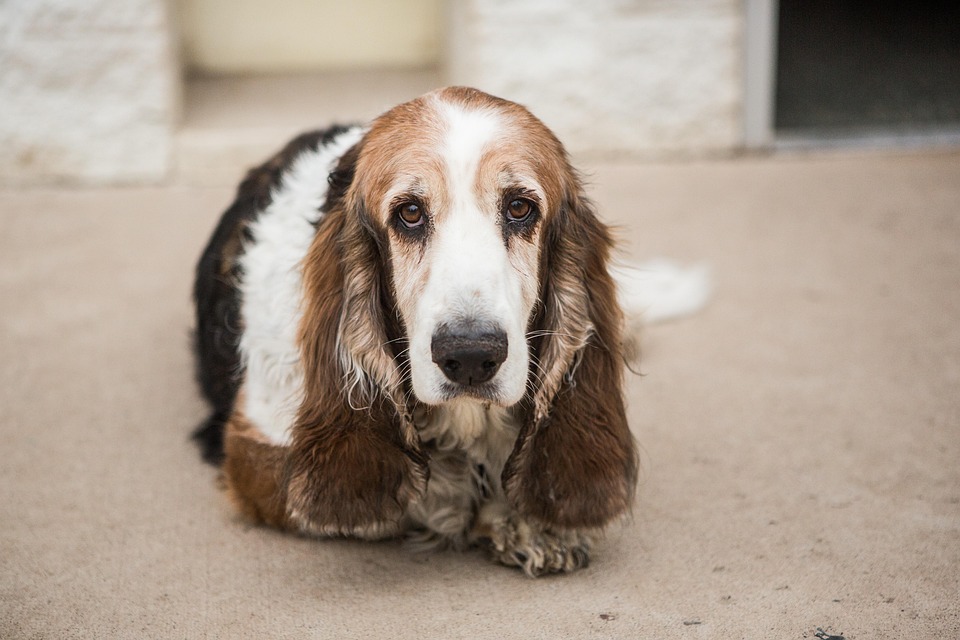
Discover the Afghan Hound: A Loyal Companion with a Regal Flair!
The Afghan Hound is one of the most elegant dog breeds you’ll encounter. With their long, flowing coats and distinctive features, these dogs often look like they’ve just stepped off the pages of a fashion magazine. But beneath their regal exterior lies a loyal and affectionate companion, making them a perfect addition to many households.
A Brief History
Originating in the mountainous regions of Afghanistan, Afghan Hounds have a long history as hunting hounds. They were initially bred for their speed and agility, helping hunters track game in rough terrains. Their unique beauty and grace were often celebrated in Afghan culture, leading to a strong bond between the breed and the Afghan people.
The breed arrived in the United States in the 1920s and quickly gained popularity, especially as show dogs. Despite their glamorous appearance, Afghan Hounds are also known for their strong personality and independent spirit.
Temperament and Personality Traits
Afghan Hounds are known for being independent and dignified. Here are some key traits:
- Loyal Companions: They form strong bonds with their families and can be quite affectionate, often following their favorite people around.
- Gentle Nature: Generally, Afghan Hounds are gentle and good-natured, which makes them suitable for families.
- Playful Spirits: Don’t let their regal appearance fool you; they enjoy playtime and can be quite spirited!
However, their independence means they may not always listen to commands, which might be a challenge for first-time dog owners.
Grooming Needs
Afghan Hounds are known for their long, luxurious coats, which require regular grooming to keep them looking their best. Here’s what you need to consider:
- Brushing: Ideally, brush their coat at least twice a week to prevent matting. Daily brushing is recommended during shedding seasons.
- Bathing: Bathing should occur every month or so, depending on your dog’s lifestyle. Ensure you use dog-specific shampoos to maintain coat health.
- Professional Grooming: Some owners opt for professional grooming to handle the painstaking process of coat care.
Health Considerations
Like all breeds, Afghan Hounds come with some health concerns. Some common considerations include:
- Hip Dysplasia: A genetic condition that affects the hip joints.
- Certain Types of Cancers: Due to their genetic makeup.
- Thyroid Issues: Regular veterinary check-ups can help detect these early.
Regular vet visits, a balanced diet, and regular exercise are essential to maintaining the dog’s health.
Suitability for Different Households
Afghan Hounds can adapt to various living situations but thrive best in:
- Active Households: They need space to run and exercise, making them ideal for families with a yard or access to parks.
- Patient Owners: Their independent nature requires understanding and patience for training. First-time dog owners should consider seeking professional training assistance.
Tips for Training and Socializing
-
Start Early: Begin socializing your Afghan Hound at a young age. Introduce them to various people, environments, and other animals.
-
Positive Reinforcement: Use treats and praise to reward good behavior. Afghan Hounds respond well to a loving approach.
-
Short Sessions: Keep training sessions short and fun. Their attention span is not as long as some other breeds.
-
Consistent Commands: Use the same commands consistently to prevent confusion.
What is an emotional support animal (ESA)?
An Emotional Support Animal (ESA) is a pet that provides comfort and support to individuals with emotional or psychological conditions. Unlike therapy or service animals, ESAs don’t have specialized training; they offer companionship and a sense of purpose that can help improve your mental health.
Benefits of Having an ESA
-
Reduces Anxiety: Interacting with pets can release oxytocin, reducing feelings of anxiety and stress.
-
Provides Comfort: Their presence can make you feel less alone and more secure.
-
Encourages Routine: Caring for a pet fosters a daily routine that benefits mental health, such as regular feeding and walks.
Real-Life Examples
-
Sarah, a college student, struggled with anxiety. After adopting an Afghan Hound named Bella, she found that daily walks with Bella not only provided physical exercise but also helped ease her nervousness before exams.
-
Tom, a veteran battling PTSD, found solace in a rescued cat. The companionship helped him reconnect with his emotions, allowing for healing from trauma.
Key Information
- Breed Overview: Elegant, loyal, and gentle, Afghan Hounds require regular grooming.
- Health Concerns: Be aware of common genetic issues and keep up with vet check-ups.
- Training: Patient, consistent training using positive reinforcement works best.
- ESAs: Pets like Afghan Hounds can serve as emotional support animals, offering numerous mental health benefits.
How Dogs and Cats Provide Emotional Support
The Science Behind Emotional Support
Pets are known to have a positive impact on mental health through several mechanisms:
-
Oxytocin Release: When you pet a dog or cat, your body releases oxytocin, often referred to as the “love hormone.” This can create feelings of bonding and affection.
-
Lower Cortisol Levels: Pets can help lower the stress hormone cortisol, leading to reduced stress and anxiety levels.
-
Mindful Distraction: Caring for a pet brings focus to the present moment, distracting from negative thoughts or anxiety.
Research shows that individuals with pets often report improved emotional well-being, better moods, and a significant reduction in feelings of loneliness.
FAQs about Emotional Support Animals
-
What qualifies a pet to be an ESA?
Any pet can be designated as an ESA, as long as they provide emotional support to the owner. -
How can I get my pet certified as an ESA?
Consulting with a licensed mental health professional is essential for proper documentation. -
Do ESAs have the same rights as service dogs?
No, ESAs don’t have the same public access rights as service dogs, but they are allowed in housing and on flights under certain conditions. -
Can I take my ESA everywhere?
No, while ESAs have certain protections, they do not possess the same access rights as service animals in public places. -
Is training required for an ESA?
No formal training is necessary, but basic behavior training is beneficial for both the pet and the owner. -
Can any animal be an ESA?
Yes, while dogs and cats are most common, other animals can also be designated as ESAs. -
How do I find a licensed mental health professional?
You can search online, consult your doctor, or visit platforms like Veripaw.org, which connects pet owners with licensed professionals.
Conclusion and Call to Action
Discovering the Afghan Hound as a loyal companion can be one of the most fulfilling experiences of pet ownership. Their regal flair combined with their gentle nature makes them perfect pets for the right individuals and families. If you are considering the benefits of having an Emotional Support Animal, look no further than Veripaw.org. Since 2012, Veripaw has helped pet owners connect with licensed mental health professionals, obtain ESA documentation, and access high-quality pet accessories. Don’t wait—take the step toward enriching your emotional health with the love and support of a furry friend today!


