
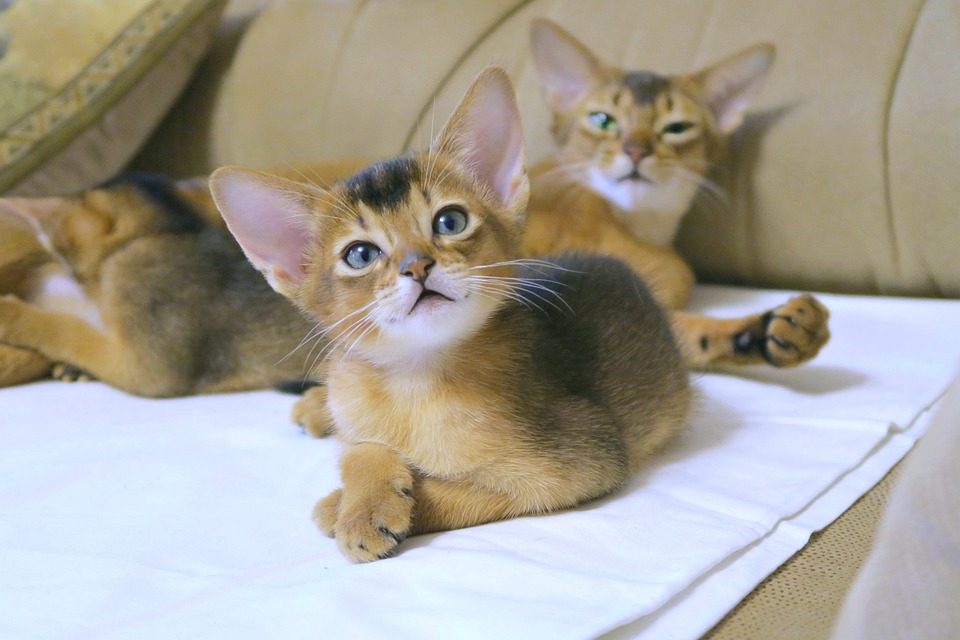
Discover the Abyssinian: Unique Facts and Emotional Benefits!
When it comes to choosing a pet, many people consider factors such as breed, temperament, and what that pet can offer to their lives. One breed that stands out is the Abyssinian cat. Known for its distinctive appearance and lively personality, the Abyssinian is a fantastic companion for many households. In this article, we’ll delve into the history, temperament, and care needs of this unique breed, explore the concept of emotional support animals (ESAs), and highlight how these pets provide crucial emotional assistance.
Overview of the Abyssinian
History
The Abyssinian cat is one of the oldest known breeds, thought to have its origins in ancient Egypt. It is often associated with the tombs of pharaohs, and some even believe that the breed is descended from the sacred cats of the Nile. The name “Abyssinian” is derived from the historic country of Abyssinia, now known as Ethiopia. This breed was brought to England in the 19th century, where it was refined and established as a popular household pet.
Temperament and Personality Traits
The Abyssinian is known for its active and playful temperament. These cats are adventurous and curious, making them great companions for families or individuals who enjoy their dynamic spirit. They are social creatures, often developing strong bonds with their human companions and even other pets. Abyssinians are known for their intelligence and can easily learn commands and tricks with proper training.
Grooming Needs
One of the best aspects of owning an Abyssinian is their grooming needs. Their short, fine coat requires minimal maintenance. Regular brushing (approximately once a week) helps remove loose fur and keeps their coat healthy and shiny. Bathing isn’t frequently necessary, unless the cat gets into something messy!
Health Considerations
Generally, Abyssinians are healthy cats, but like all breeds, they can be prone to specific health issues. Some common health concerns include:
- Gingivitis: Routine dental care is crucial.
- Renal Issues: Regular vet check-ups can help monitor kidney function.
Suitability for Different Types of Households
Abyssinians thrive in active households. They are playful and love to be engaged, making them ideal pets for families with children or other animals. However, their high energy might not be suitable for very quiet or sedentary homes where they’d be left alone for long periods.
Training and Socialization Tips
Training an Abyssinian is a rewarding experience due to their intelligence. Here are some tips:
- Start Early: Begin socialization when they are young; expose them to various environments, sounds, and people.
- Use Positive Reinforcement: Reward them with treats and affection when they follow commands.
- Keep it Fun: Incorporate playtime, using toys that stimulate their natural hunting instincts.
Understanding Emotional Support Animals (ESAs)
An emotional support animal (ESA) is a pet that provides comfort and support to individuals facing mental health challenges. Unlike service animals, which are specifically trained to perform tasks, ESAs do not require special training. Their primary role is to offer companionship and emotional comfort to their owners.
Many people benefit from designating their pet as an ESA because the presence of a loving animal can significantly improve mental health. Pets can alleviate feelings of loneliness, anxiety, and depression, essentially providing a steady source of stability.
Mental and Emotional Health Benefits of ESAs
Research shows that pets can have notable positive effects on emotional well-being. Here are a few ways that an Abyssinian—or any pet—can contribute to mental health:
-
Companionship: Having a furry friend around can lower feelings of loneliness. For instance, many individuals report feeling more secure and less anxious when they know their pet is nearby.
-
Reduced Anxiety: Interaction with pets can reduce stress levels. For example, simply petting a cat can decrease blood pressure and release feel-good hormones like oxytocin.
-
Routine and Responsibility: Caring for an Abyssinian gives owners a purpose and routine. Feeding, grooming, and playing with them can structure a day and create a sense of fulfillment.
Real-Life Example
Consider Jane, a college student who suffered from anxiety. After adopting her Abyssinian, Milo, she found that having him around calmed her nerves. During stressful periods, such as exam weeks, playing with Milo helped to distract her from her worries, providing both comfort and a calming presence.
Key Information
- Origin: Ancient Egypt; name derived from Abyssinia (Ethiopia).
- Temperament: Active, playful, intelligent, and social.
- Grooming Needs: Minimal; requires weekly brushing.
- Health Considerations: Prone to gingivitis and renal issues.
- Training Tips: Use positive reinforcement and start early.
- Emotional Support Benefits: Reduces loneliness, anxiety, and provides daily structure.
How Dogs and Cats Provide Emotional Support
Pets improve emotional health through various scientific and psychological mechanisms. Here’s why:
-
Oxytocin Release: Interacting with pets can lead to the release of oxytocin, also known as the “bonding hormone.” This hormone promotes feelings of trust and emotional connection.
-
Distraction: Pets can help divert attention from stressors. Their playful behaviors or need for attention can break cycles of negative thought patterns.
-
Routine Structure: Creating a daily routine for your pet can add structure to your own day, leading to feelings of accomplishment and stability.
FAQs about Emotional Support Animals
-
What is an ESA?
An Emotional Support Animal is a pet that provides emotional comfort to its owner, helping alleviate mental health challenges. -
How can I get my pet certified as an ESA?
You’ll need to obtain a letter from a licensed mental health professional stating your need for an ESA. -
Are there breed restrictions for ESAs?
Generally, there are no specific breed restrictions for ESAs, but larger pets might be more challenging to integrate into certain living situations. -
Can my cat be an ESA?
Yes! Cats can be designated as ESAs, and many people find their feline companions to be incredibly supportive. -
Do ESAs have special privileges?
ESAs can live in no-pet housing and may accompany their owner on flights; however, they don’t have the same access rights as service animals. -
What’s the difference between an ESA and a therapy animal?
ESAs provide emotional support and companionship, while therapy animals are trained to provide specific tasks and services to multiple people.
Call to Action
If you believe an Abyssinian or any pet could enhance your life emotionally, consider designating them as an Emotional Support Animal. Veripaw.org is a trusted resource that connects pet owners with licensed mental health professionals who can provide the necessary documentation for ESA certification. Since 2012, Veripaw has helped people access quality pet accessories essential for your furry friend’s comfort.
In conclusion, whether you are drawn to the Abyssinian’s unique charm or are simply curious about the emotional support your pet can offer, remember that a deep bond with an animal can significantly improve your overall emotional well-being. Take the step today and explore the amazing journey of becoming an ESA owner!


