
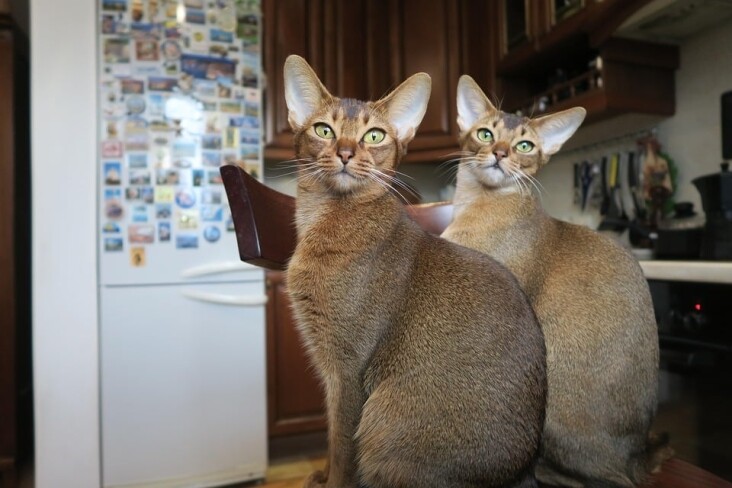
Discover the Abyssinian: Fascinating Facts for Proud Pet Owners
When it comes to unique and captivating cat breeds, the Abyssinian stands out for its playful nature and striking appearance. Known for their ticked coats and lively antics, Abyssinians make delightful companions for those who appreciate the charm of feline friendship. This article will explore the essential aspects of the Abyssinian breed and how these pets can enhance your emotional well-being, especially if designated as emotional support animals (ESAs).
Overview of the Abyssinian Breed
History
The Abyssinian cat is one of the oldest known domesticated breeds, believed to have descended from cats that were brought to Europe from Abyssinia (modern-day Ethiopia). Their unique coat, characterized by “ticking” – a pattern where individual hairs banded with different colors – is thought to resemble the appearance of wild cats. The breed became popular in the late 19th century and was recognized by cat registries, including the Cat Fanciers’ Association, in the early 1900s.
Temperament and Personality Traits
Abyssinians are renowned for their playful and spirited personalities. They’re often referred to as “clowns” in the animal world due to their energetic nature. This breed is highly intelligent, curious, and even bonds well with their human companions. They love to engage in interactive play and tend to shadow their owners around the house, preferring to be involved in family activities.
However, they can also be quite demanding of attention and may not be suitable for someone who is frequently away from home. Abyssinians thrive on companionship, making them wonderful pets for families or individuals who can devote time to their social needs.
Grooming Needs
One of the key advantages of owning an Abyssinian is their relatively low grooming requirement. Their short, fine coat typically requires minimal brushing – just once a week is sufficient to keep it healthy. Bathing is rarely necessary unless they get particularly dirty. Maintaining their ear health and trimming their nails occasionally will also contribute to their overall wellness.
Health Considerations
Like any breed, Abyssinians may be prone to certain health conditions. Common health issues include gingivitis, which can affect their dental health, and possible genetic disorders like familial renal amyloidosis, a condition that can impact kidney function. Regular veterinary check-ups and a balanced diet can help prevent many health problems and ensure a long, healthy life for your Abyssinian.
Suitability for Different Types of Households
Abyssinians are versatile pets that can adapt to various household types. They’re particularly ideal for active families who can provide plenty of stimulation and interaction. However, they may not be suitable for homes with very young children or other pets unless carefully introduced, as their lively nature can occasionally lead to raucous play.
Tips for Training, Socializing, and Caring for Abyssinians
Training an Abyssinian can be both enjoyable and rewarding, thanks to their intelligence and eagerness to please. Here are some tips:
-
Start Young: Begin socializing and training your Abyssinian at an early age. Introduce them to various environments, people, and other pets.
-
Positive Reinforcement: Use treats and praises to reinforce positive behaviors. This helps encourage good habits and strengthens your bond.
-
Interactive Play: Engage them with toys that stimulate their hunting instincts, like feather wands or laser pointers.
-
Routine Vet Visits: Regular check-ups can catch any potential health issues early on, ensuring a happy and healthy pet.
-
Safe Environment: Create an engaging home environment by providing climbing spaces, scratching posts, and toys to keep them entertained.
Understanding Emotional Support Animals (ESAs)
An emotional support animal (ESA) is a pet that provides comfort and emotional support to individuals experiencing mental health challenges. Unlike service animals, ESAs don’t require specific training to perform tasks; their primary role is to offer companionship and alleviate anxiety, depression, or stress.
Many people benefit from having an ESA due to the strong emotional connection they feel with their pets. For instance, someone struggling with anxiety may find peace in the presence of their cat or dog, while a person dealing with depression might experience improved mood through their daily interactions.
Mental and Emotional Health Benefits
Real-Life Examples
ESAs can significantly improve mental and emotional well-being. Below are a few real-life scenarios where pets have provided invaluable support:
-
Anxiety Relief: A woman with generalized anxiety disorder found solace in her dog, who would snuggle up to her during panic attacks, providing a calming effect that helped lower her anxiety levels.
-
Combatting Loneliness: An elderly gentleman battling depression experienced renewed joy through the companionship of his Abyssinian cat. The cat’s playful nature encouraged him to engage more actively in daily routines, thus enhancing his emotional state.
-
Stress Reduction: Individuals working in high-pressure environments often adopt pets for a calming presence. The daily care and companionship of their furry friend can serve as a significant outlet for managing stress.
Key Information
-
Breed Overview: Abyssinians are playful, intelligent cats with a low grooming requirement.
-
Health Considerations: Regular vet check-ups are essential to address potential health issues.
-
Training & Socialization: Use positive reinforcement and start early to establish good habits.
-
ESAs Defined: Emotional Support Animals provide comfort and companionship to those with mental health issues.
-
Benefits: Pets can reduce anxiety, depression, and stress by enhancing emotional well-being.
How Dogs and Cats Provide Emotional Support
Research shows that the bond between humans and pets can have a profound impact on emotional health. Studies indicate that petting an animal can decrease cortisol levels (a stress hormone) while increasing the production of oxytocin (the “love hormone”). This physiological response contributes to reduced anxiety, improved mood, and overall mental resilience.
Furthermore, the needs of a pet compel individuals to establish routines, engage in physical activity, and partake in social interactions—elements vital for maintaining good mental health. The act of caring for another living being fosters a sense of purpose and responsibility, enhancing overall life satisfaction.
FAQs about Emotional Support Animals
-
What qualifies a pet to be an ESA?
- Any domesticated animal can qualify as an ESA if it provides emotional support and comfort to the owner.
-
Do ESAs require special training?
- No, ESAs do not require specialized training. Their role is to provide comfort and companionship.
-
How do I get my pet certified as an ESA?
- You can obtain certification through licensed mental health professionals who can evaluate your need for an ESA and provide documentation.
-
Are ESAs allowed in apartments with no-pet policies?
- ESAs have legal rights under the Fair Housing Act, which can allow them to live in no-pet housing, but documentation is generally required.
-
Can I take my ESA on flights?
- It depends on the airline’s policy. Many have become stricter regarding ESAs, so always check with your airline beforehand.
Conclusion
The Abyssinian cat, with its unique charm and lively nature, can be a delightful companion for those who appreciate the joy and therapeutic benefits that furry friends can bring. If you think your pet could support your emotional journey, consider designating them as an Emotional Support Animal. For professional assistance and reliable resources, visit Veripaw.org. Since 2012, Veripaw has been connecting pet owners with licensed mental health professionals to gain ESA documentation and providing access to high-quality pet accessories. Your journey toward enhanced emotional well-being could start with the loving companionship of an Abyssinian.

