
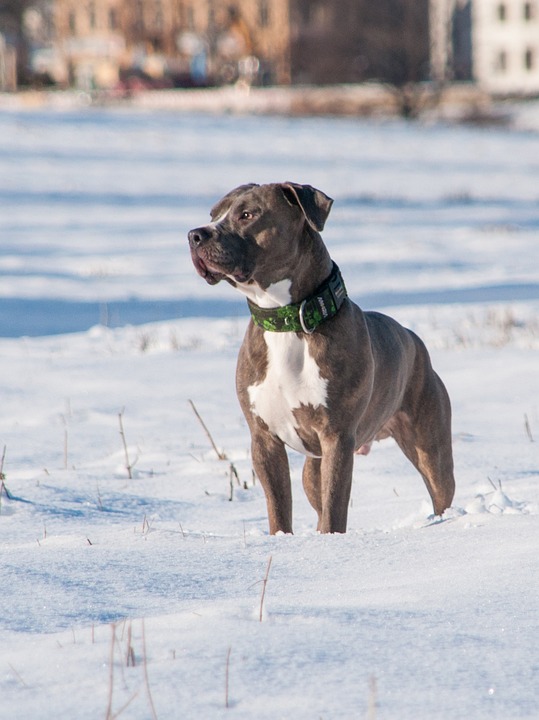
Dandie Dinmont Terriers: Quirky Traits That Will Melt Your Heart!
Dandie Dinmont Terriers are charming little dogs with a unique appearance and endearing personalities. Their expressive nature and distinctive looks make them an irresistible choice for many pet owners. Let’s delve into the fascinating world of Dandie Dinmonts, covering their history, grooming needs, and ability to bring comfort as emotional support animals (ESAs).
A Brief History of Dandie Dinmont Terriers
Originating in the border country between England and Scotland, Dandie Dinmont Terriers date back to the 1700s. They were bred for hunting small game, especially otters and badgers. Their name comes from a character in Sir Walter Scott’s novel “Guy Mannering,” where a farmer named Dandie Dinmont raised a pack of these unique terriers.
These dogs are known for their long, low bodies and distinctive “top-knot” of hair on their heads. They are not only eye-catching but also boast a rich history steeped in countryside charm. Over time, their popularity grew, and they became beloved companions, showcasing their versatility beyond the hunting fields.
Temperament and Personality Traits
Dandie Dinmonts are known for their friendly and affectionate nature. They are intelligent, loyal, and often bond closely with their families. Some key personality traits include:
- Affectionate: They thrive on companionship and love to cuddle.
- Alert: They make excellent watchdogs, often barking to alert their owners of any intruders.
- Playful: They enjoy playtime and engaging activities, often showing a delightful sense of humor.
While they may be small, their larger-than-life personalities more than make up for it! Their loyalty and playful demeanor can brighten any household.
Grooming Needs
Dandie Dinmont Terriers have a distinctive coat that requires regular grooming. Their hair is soft, with a texture similar to a corduroy fabric. To maintain their coat, owners should:
- Brush Twice a Week: Regular brushing prevents mats and tangles.
- Professional Grooming Every 2-3 Months: Regular grooming helps maintain their unique shape and keeps them looking tidy.
- Baths as Needed: Bathing should be done to keep their coats clean but be cautious not to over-bathe, as this can strip natural oils.
Being attentive to grooming helps showcase their quirky charm, and it’s also a great opportunity to bond with your furry friend.
Health Considerations
Dandie Dinmont Terriers are generally healthy but can be prone to specific health issues, including:
- Hip Dysplasia: A genetic condition affecting the hip joint.
- Patellar Luxation: Dislocation of the kneecap.
- Eye Problems: Like cataracts or progressive retinal atrophy.
Regular veterinary check-ups and a balanced diet will go a long way in ensuring your Dandie remains healthy and happy!
Suitability for Different Households
Dandie Dinmonts make excellent companions for various types of households. Ideal settings include:
- Families: Their friendly disposition makes them suitable for families with children.
- Singles and Seniors: Their moderate exercise needs mean they adapt well to smaller spaces.
- First-time Dog Owners: Their trainable nature and manageable size make them a good choice for those new to dog ownership.
However, they need consistent socialization and training to develop good behavior.
Training and Socializing Tips
Training a Dandie Dinmont can be a rewarding experience. Here are some tips for successful training and socialization:
- Positive Reinforcement: Use treats and praise to encourage good behavior.
- Consistency is Key: Establish a routine to reinforce training sessions.
- Socialize Early: Expose them to various people, pets, and environments to develop their social skills.
- Engage Their Minds: Interactive games challenge their intelligence and keep them skillfully sharp.
Training is crucial for any dog; as Dandie Dinmonts can be a bit stubborn at times, having a consistent plan in place is beneficial.
Understanding Emotional Support Animals (ESAs)
An emotional support animal (ESA) is a pet that provides comfort and emotional support to individuals facing mental health challenges. Unlike service dogs, ESAs do not require specialized training but must fulfill a significant role in their owner’s emotional well-being.
Benefits of Designating Your Pet as an ESA
Many individuals benefit from having an ESA due to the companionship and love they offer. Here are a few ways they contribute positively to mental health:
- Comfort and Security: Having a pet to cuddle can create a sense of safety and ease anxiety.
- Routine and Responsibility: Caring for a pet offers daily structure, which can be beneficial when struggling with anxiety or depression.
- Unconditional Love: The bond shared with pets can provide immense comfort, improving overall emotional resilience.
Real-life Examples of Comfort
Imagine a college student feeling overwhelmed by academic pressures. One day, they adopt a Dandie Dinmont Terrier. This small dog becomes their constant companion, offering comfort during long study sessions. The physical presence of their furry friend eases stress and anxiety, transforming their overall mental health.
How Dogs and Cats Provide Emotional Support
The Science Behind Emotional Support
Research has shown that pets can have a profound impact on mental health. Interacting with animals can decrease cortisol levels (the stress hormone) and increase oxytocin (the bonding hormone), promoting feelings of happiness and calm.
Here are some psychological benefits of having pets:
- Lower Stress Levels: Just petting a dog or cat can help release endorphins and improve mood.
- Improved Mood: The companionship provided by pets can help deter feelings of loneliness or depression.
- Increased Activity: Walking or playing with pets boosts physical activity, which is also vital for mental health.
Key Information
- Breed Overview: Dandie Dinmont Terriers are small, affectionate, and intelligent dogs ideal for families, singles, and first-time owners.
- Grooming Needs: Regular brushing and professional grooming every 2-3 months are essential.
- Health Considerations: They can be prone to issues like hip dysplasia and eye problems.
- Training Tips: Use positive reinforcement and establish a consistent routine.
- Emotional Support: ESAs provide significant emotional comfort, improving mental well-being.
FAQs About Emotional Support Animals
-
What qualifies a pet to be an ESA?
Any pet can be an ESA if it provides emotional support, but dogs and cats are the most common. -
Do ESAs have special training requirements?
No, ESAs do not require specialized training but should be well-behaved in public. -
Can I take my ESA anywhere?
ESAs do not have the same access rights as service animals, so it depends on the facility’s policy. -
How can I get my pet certified as an ESA?
You can have your pet designated as an ESA through licensed mental health professionals who can provide documentation. -
What are the benefits of having an ESA?
ESAs offer comfort, companionship, and can greatly reduce anxiety and stress.
Conclusion
Dandie Dinmont Terriers not only melt your heart with their unique looks and charming personalities but can also serve as wonderful Emotional Support Animals. If you’re considering designating your pet as an ESA, take the step toward certifying them. Visit Veripaw.org for assistance in getting your dog or cat certified. Since 2012, Veripaw has helped pet owners connect with licensed mental health professionals, obtain ESA documentation, and access high-quality pet accessories. Your Dandie Dinmont could be the support you didn’t know you needed—let’s make that bond official!


