
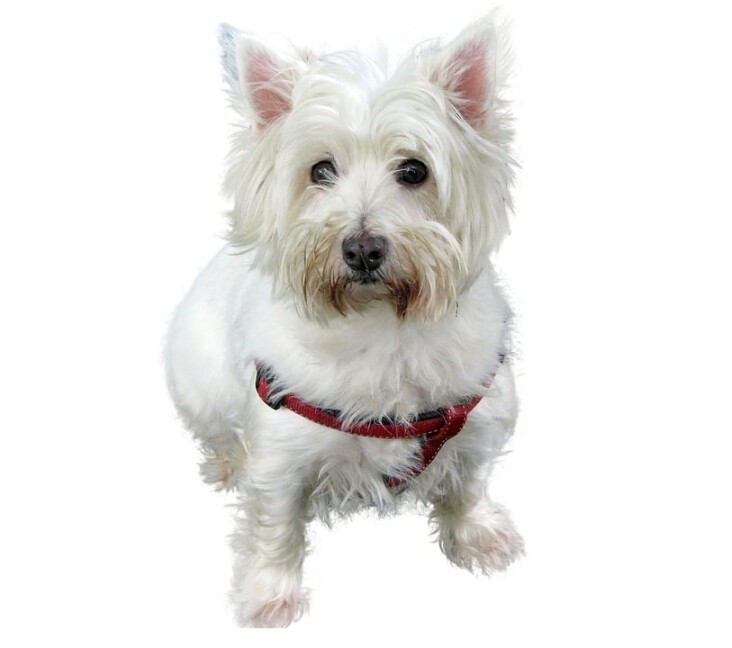
Dandie Dinmont Terrier: The Loyal Companion with a Big Heart
Overview of the Dandie Dinmont Terrier
The Dandie Dinmont Terrier is a unique and charming dog breed renowned for its distinctive appearance and amiable personality. Originating in the 18th century in the border region between England and Scotland, these dogs were developed primarily for hunting small game, particularly otters and badgers. The breed’s name comes from a character in Sir Walter Scott’s novel “Guy Mannering,” who was known for his love of this type of dog.
Temperament and Personality Traits
Dandie Dinmont Terriers are celebrated for their affectionate and plucky nature. Generally, they are friendly, devoted, and good-natured, which makes them excellent companions. They tend to bond closely with their families, often developing a deep attachment to their primary caregivers. Their strong desire for companionship means they thrive on interaction, making them less suited for extended periods of solitude.
Despite their small size, they possess a confident and sometimes feisty disposition, showcasing courage and tenacity that belies their stature. They can be quite independent thinkers and may require consistent training and socialization from an early age to ensure they behave well in various situations.
Grooming Needs
Grooming a Dandie Dinmont Terrier requires attention to their unique coat, which is long and soft but also has a hard, wiry texture. Regular grooming is essential, typically involving brushing several times a week to prevent matting and tangling. Additionally, they benefit from professional grooming every few months to maintain the health of their coat.
Their ears should be checked regularly for dirt or wax buildup, as these dogs can be prone to ear infections. It’s also crucial to trim their nails and brush their teeth to support overall health and hygiene.
Health Considerations
Dandie Dinmont Terriers are generally healthy dogs, but they can be prone to specific health issues like hip dysplasia, progressive retinal atrophy, and certain skin conditions. Routine veterinary check-ups and preventive healthcare measures can help catch and address these potential problems early on.
Suitability for Different Households
These terriers can thrive in diverse living situations, whether in apartments or homes with yards, as long as they receive enough mental and physical stimulation. They are relatively adaptable but do best in environments where they can engage with people and participate in family activities.
Training and Socialization Tips
Training a Dandie Dinmont Terrier requires patience and consistency. Here are some tips for effective training:
- Positive Reinforcement: Use treats and praise to encourage good behavior.
- Early Socialization: Expose them to various people, pets, and situations early on to foster a well-rounded temperament.
- Short Training Sessions: Keep training sessions brief and engaging to maintain their interest.
- Consistency: Establish a routine and stick to it for commands and behavior expectations.
- Engagement: Use toys and games to make training fun and interactive.
Caring for Your Dandie Dinmont Terrier
Regular exercise is essential for keeping your Dandie Dinmont happy. Daily walks, playtime, and mental stimulation through puzzles or obedience training will help keep them physically fit and mentally sharp.
Understanding emotional support animals (ESAs)
An emotional support animal (ESA) is a pet that provides comfort and support to individuals facing emotional or psychological challenges. Unlike therapy or service animals, ESAs do not require specific training to perform tasks but are crucial in offering companionship and emotional relief to their owners.
People benefit from designating their pet as an ESA because having a pet can significantly reduce feelings of anxiety and loneliness. The presence of a loving animal can foster a sense of security and stability, contributing positively to mental health—especially during stressful times.
Mental and Emotional Health Benefits
Research supports the idea that pets offer substantial emotional support. For instance, individuals experiencing anxiety or depression may find solace in the company of their pets, helping to alleviate feelings of isolation. Here are some ways dogs and cats provide emotional support:
- Reduction in Anxiety: The simple act of petting a dog or cat can lower blood pressure and release calming chemicals in the brain, helping to ease anxiety.
- Improved Mood: Engaging with pets can trigger serotonin and dopamine production, elevating mood and fostering feelings of happiness and contentment.
- Sense of Purpose: Caring for an animal can provide a sense of responsibility and routine, which can be especially helpful for those facing mental health challenges.
Key Information
- Breed Overview: Dandie Dinmont Terriers have a rich history as hunting dogs and are known for their friendliness and loyalty.
- Health and Grooming: Regular grooming and veterinary care help maintain their well-being, and they can be prone to specific health issues.
- Training Tips: Use positive reinforcement and consistent training methods.
- Emotional Support: Pets can significantly enhance mental well-being and provide companionship, serving as ESAs to those in need.
How Dogs and Cats Provide Emotional Support
Science shows that our furry friends have a remarkable ability to improve emotional health. Interactions with pets can trigger the release of oxytocin, a hormone associated with bonding. This biochemical reaction can lead to feelings of love and attachment not only between humans and pets but also among people.
Furthermore, the predictability and unconditional love from animals offer a sense of stability during turbulent emotional times. Animals provide companionship that can comfort those dealing with loneliness or stress, creating a bond that goes beyond words.
FAQs about Emotional Support Animals
-
What is an Emotional Support Animal?
An ESA is a pet that provides emotional comfort and support to individuals with mental health challenges. -
Can any pet be an ESA?
Yes, various types of pets can serve as ESAs, but most commonly, dogs and cats. -
Do ESAs require specialized training?
No, ESAs do not need specific training, but they should have a calm temperament. -
What documentation do I need for my ESA?
You typically need a letter from a licensed mental health professional stating that you require the emotional support of your pet. -
Are ESAs allowed in housing that doesn’t allow pets?
Under the Fair Housing Act, ESAs are permitted in most housing situations, even if pet policies exist. -
How does one get an ESA certification?
To get certified, consult with licensed mental health professionals who can evaluate your needs. -
Are ESAs the same as service animals?
No, service animals are trained to perform specific tasks for individuals with disabilities, while ESAs provide emotional support. -
Can I take my ESA everywhere?
ESAs do not have the same legal protections as service animals and may not be permitted in all public places. -
How do I know if I qualify for an ESA?
If you experience emotional distress or mental health challenges that are alleviated by having a pet, you may qualify. -
How can I start the process of getting my pet certified as an ESA?
Visit Veripaw.org, where you can connect with licensed mental health professionals and get the necessary documentation.
Conclusion
In a world where emotional challenges are ever-present, the Dandie Dinmont Terrier stands out not only for its loyalty and charm but also for its potential to serve as a wonderful Emotional Support Animal. By providing comfort and companionship, this breed can enrich your life. If you’re considering making your pet an ESA, turn to Veripaw.org, a trusted resource since 2012 for connecting with licensed professionals and obtaining the documentation you need. Don’t hesitate to explore the myriad benefits of incorporating a furry friend into your emotional support system—your well-being may depend on it!

