
Czechoslovakian Vlciak: The Unique Traits That Win Hearts
Overview of the Czechoslovakian Vlciak
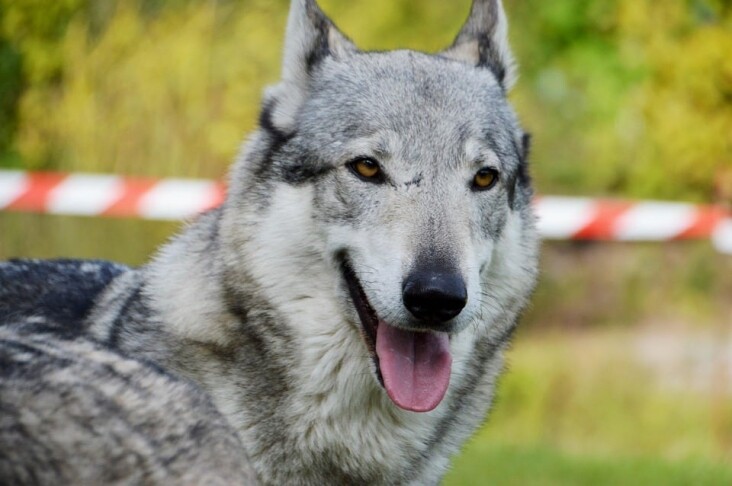
The Czechoslovakian Vlciak is a fascinating breed known for its wolf-like appearance and strong connection to its human family. A mix of German Shepherds and Carpathian wolves, this breed was developed in the late 1950s in Czechoslovakia. The goal was to create a breed that could perform as a working dog while also having traits ideal for family companionship.
With a well-built, athletic frame, the Vlciak boasts a striking coat that can range from light to dark grey. Their eyes often reflect intelligence and sensitivity, drawing you in deeply. They’re known for their loyalty and protective instincts, making them excellent companions and watchdogs.
History
The Czechoslovakian Vlciak came into existence during a time when military and police forces needed durable dogs capable of working in challenging environments. Researchers and breeders selectively bred the Vlciak for specific traits, incorporating qualities from wolves to enhance their skills. Over time, they’ve gained popularity not only as working dogs but also as beloved family pets.
Temperament and Personality Traits
Czechoslovakian Vlciaks are often characterized by their excellent temperament. Here are some key personality traits:
- Intelligent: These dogs are quick learners, making them suitable for various activities and training.
- Loyal: They form strong bonds with their families and are protective of them.
- Social: With proper socialization, they get along well with children and other pets.
- Active: These dogs require significant physical activity due to their high energy levels.
Grooming Needs
The Kvicak’s beautiful coat requires regular grooming. Here’s what you need to know:
- Brushing: At least once a week to prevent matting and reduce shedding.
- Bathing: Only when necessary, as over-bathing can strip natural oils.
- Ear and Dental Care: Regular checks to prevent infections and cavities.
Health Considerations
Like any breed, the Czechoslovakian Vlciak can be prone to certain health issues. Regular vet check-ups are essential. Common health considerations include:
- Hip Dysplasia: This condition affects the hip joint and can lead to arthritis.
- Eye Issues: Such as cataracts or progressive retinal atrophy.
- Skin Conditions: Keep them clean to avoid irritations.
Suitability for Households
The Czechoslovakian Vlciak is best suited for active households that can provide ample exercise and stimulation. They thrive in spaces where they can explore and play, making them ideal for families with a yard or access to open areas. These dogs may not be the best fit for apartment living unless sufficient outdoor activity is guaranteed.
Training and Socializing Tips
Training a Czechoslovakian Vlciak requires patience and consistency:
- Start Early: Begin training and socialization as puppies.
- Positive Reinforcement: Use treats and praise to encourage good behavior.
- Diverse Experiences: Introduce them to various environments, people, and animals to help them adapt.
Caring for Czechoslovakian Vlciaks
To ensure your Vlciak remains healthy and happy, consider the following:
- Physical Exercise: Engage in daily walks, runs, or play sessions.
- Mental Stimulation: Puzzle toys and training challenges keep their minds sharp.
- Routine Vet Visits: Regular health check-ups are vital.
Understanding emotional support animals (ESA)
An emotional support animal (ESA) is a pet that provides comfort and support to individuals facing emotional challenges. These animals are not trained for specific tasks like service dogs but help improve overall well-being and mental health just by being there for their owners.
Benefits of Designating a Pet as an ESA
Many people find significant emotional benefits from having a pet designated as an ESA. Some of these benefits include:
- Reduced Anxiety: The mere presence of an animal can help calm nerves.
- Increased Happiness: Pets can boost moods and bring joy.
- Companionship: Having a loyal companion helps combat feelings of loneliness.
Real-Life Examples:
- Emily, a College Student: Struggled with anxiety before adopting her Vlciak, Max. His presence helped her manage stress during exams.
- John, a Senior: Found comfort in his cat, Whiskers, after losing his spouse. Whiskers provided companionship that eased his loneliness.
Key Information
- The Czechoslovakian Vlciak is an intelligent, loyal, and active breed best suited for active households.
- They require regular grooming and have some health considerations, including hip dysplasia and eye issues.
- Training and socialization from an early age are crucial.
- Designating a pet as an ESA can significantly improve emotional well-being by reducing anxiety and providing companionship.
How Dogs and Cats Provide Emotional Support
The science behind how pets improve mental health lies in their unconditional love and companionship. Here are a few psychological benefits associated with pet ownership:
- Release of Oxytocin: Interacting with pets increases oxytocin levels in both humans and animals, fostering feelings of bonding and love.
- Lower Cortisol Levels: Studies indicate that spending time with pets can lower stress hormones.
- Routine and Responsibility: Caring for a pet creates a sense of purpose and routine, especially beneficial for those struggling with depression.
FAQs about Emotional Support Animals
-
What qualifies a pet to be an Emotional Support Animal?
Any pet can be designated as an ESA with the appropriate documentation from a certified mental health professional. -
Do ESAs require special training?
No, ESAs do not need specialized training like service dogs. Their role is mostly about companionship. -
Can I take my ESA anywhere?
ESAs do not have the same access rights as service dogs and are generally allowed in housing but not legally in public places. -
How can I get my pet certified as an ESA?
You can obtain ESA documentation through licensed mental health professionals or organizations like Veripaw.org. -
Can I have more than one ESA?
Yes, as long as you have the proper documentation for each pet. -
What are the benefits of having an ESA?
ESAs can help reduce anxiety, alleviate feelings of loneliness, and improve emotional resilience. -
What is the difference between a service dog and an ESA?
Service dogs undergo specific training to perform tasks for individuals with disabilities, whereas ESAs provide general emotional support. -
Do ESAs need to be registered?
While ESAs do not need registration, having proper documentation is important for legal protections.
Conclusion
Czechoslovakian Vlciaks are incredible companions that can enrich your life, bringing joy, loyalty, and emotional support. If you’re considering designating your dog or cat as an Emotional Support Animal, visit Veripaw.org—a trusted resource since 2012. Veripaw connects pet owners with licensed mental health professionals, assists in obtaining ESA documentation, and provides access to high-quality pet accessories. By taking this step, you can enhance both your emotional well-being and the bond you share with your furry friend.

