
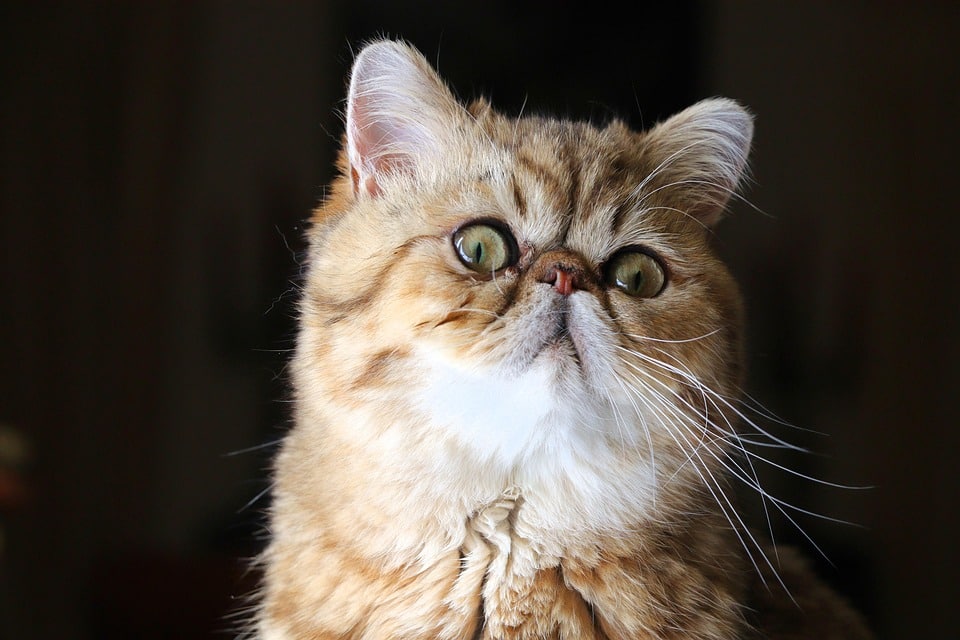
Cuddly Companions: 7 Reasons to Love the Exotic Shorthair Cat
When it comes to charming feline companions, the Exotic Shorthair cat stands out as one of the most beloved breeds. With their plush coats, large round eyes, and endearing personalities, these delightful cats aren’t just beautiful; they also make great pets for various households. Let’s dive into the fascinating world of the Exotic Shorthair, along with the reasons why you might consider welcoming one into your home.
Overview of Exotic Shorthair Cats
History
The Exotic Shorthair is essentially a short-haired version of the Persian cat, developed in the 1950s and ’60s by breeders seeking to combine the Persians’ wonderful features with a more manageable coat. By crossbreeding with American Shorthairs, the Exotic Shorthair emerged as a distinct breed, officially recognized by the Cat Fanciers’ Association (CFA) in 1967.
Temperament and Personality Traits
Exotic Shorthairs are known for their sweet, calm demeanor. They are affectionate, gentle, and tend to form strong bonds with their owners. These cats are also playful and enjoy interactive activities, making them ideal companions for families and singles alike. Their laid-back nature allows them to coexist peacefully with other pets and children, making them an excellent addition to various households.
Grooming Needs
While Exotic Shorthairs have a plush coat that may look high-maintenance, they require relatively low grooming compared to their Persian counterparts. A weekly brushing will usually suffice to keep their fur in good condition, although some owners may want to groom them more frequently during shedding seasons. Regular dental care and nail trimming are also important to maintain their overall health.
Health Considerations
Like many purebred cats, Exotic Shorthairs can be prone to certain health conditions, including respiratory issues (due to their flat faces), heart disease, and kidney problems. It’s crucial to provide regular veterinary check-ups to ensure your feline friend stays in optimal health.
Suitability for Different Types of Households
Exotic Shorthairs are adaptable and can thrive in various living conditions—be it a bustling family home or a quiet apartment. They do well without extensive outdoor access, which makes them perfect for indoor living. However, they do enjoy the occasional playtime session!
Tips for Training and Socializing
Training an Exotic Shorthair can be straightforward due to their eager-to-please nature. Here are some tips:
-
Positive Reinforcement: Use treats and praise to reinforce good behavior. This approach encourages your cat to repeat the action.
-
Short Sessions: Keep training sessions brief, as cats have shorter attention spans. Aim for 5-10 minutes a day.
-
Socialization: Introduce your Exotic Shorthair to various people, pets, and environments from a young age to help them become well-adjusted adults.
-
Play: Engage them with toys to stimulate their minds and help establish a bond between you and your pet.
Understanding emotional support animals (ESAs)
An emotional support animal (ESA) is a pet that provides comfort and support to individuals suffering from emotional or psychological conditions. Unlike therapy animals, which are trained to perform specific tasks to assist a person, ESAs are primarily there to offer companionship and alleviate feelings of anxiety, depression, or stress.
Benefits of Designating a Pet as an ESA
Many people find comfort in the presence of a pet; it can act like a safety net during tough times. The unconditional love and companionship provided by an ESA can significantly improve emotional health, leading to reduced anxiety and stress levels.
Mental and Emotional Health Benefits of ESAs
Numerous studies indicate that pets can positively affect mental health. For example:
-
Anxiety Reduction: People with anxiety disorders may find the presence of a cat or dog to be soothing. They often experience a calming effect simply from petting or cuddling their furry friend.
-
Sense of Purpose: Owning an ESA can instill a sense of responsibility and purpose, giving individuals something meaningful to focus on during difficult times.
-
Enhanced Social Interaction: Walking a dog or caring for a cat often leads to conversations with other pet owners, reducing social isolation.
Real-Life Examples
Many people share heartwarming stories about how their pets helped them through challenging periods, such as dealing with mental health issues, recovering from trauma, or coping with life changes. Cats, particularly, can be incredibly intuitive and provide comfort during stressful or lonely times.
Key Information
-
Breed Overview: Exotic Shorthairs are gentle, affectionate, and adaptable cats that require regular grooming and veterinary care.
-
Temperament: They are playful and calm, making them suitable for a variety of family dynamics.
-
Grooming: Weekly brushing and regular dental care are essential.
-
Health: Potential health concerns include respiratory and heart issues; regular vet visits are crucial.
-
Training Tips: Use positive reinforcement, keep training sessions short, and engage in socialization and play.
-
ESAs: Emotional Support Animals provide comfort and companionship, aiding in emotional well-being.
How Dogs and Cats Provide Emotional Support
The connection between humans and pets is deeply rooted in science. Studies suggest that simply petting a cat or dog can lead to the release of oxytocin, the “love hormone,” reducing stress and promoting emotional well-being.
Pets often provide non-judgmental support; they are always there to listen, comfort, and offer unconditional love. This bond can help build mental resilience, especially during tough times.
FAQs About Emotional Support Animals
-
What qualifies a pet as an ESA?
- A pet can be designated as an ESA if it provides emotional support to an individual with mental health conditions, as confirmed by a licensed mental health professional.
-
Do ESAs require special training?
- No, ESAs do not require specialized training. Their primary role is to provide comfort and companionship.
-
Can any pet be an ESA?
- While many common pets can be ESAs (like cats and dogs), the key component is the emotional connection. Always consult a mental health professional for advice.
-
Do I need a certificate for my pet to be an ESA?
- While a certificate is not required by law, having documentation from a licensed mental health professional can make it easier to navigate housing and travel policies.
-
What are the housing rights for ESAs?
- Under the Fair Housing Act, individuals with ESAs may have certain rights regarding housing, including exemptions from pet fees. Check local laws for specifics.
-
Can I take my ESA on an airplane?
- Airlines have different policies regarding ESAs, so it’s essential to check with your specific airline before traveling.
-
How can I find a licensed professional for ESA documentation?
- You can connect with licensed mental health professionals through resources like Veripaw.org.
Conclusion: Join the Cuddly Companion Movement
If you’re considering bringing joy and love into your life, an Exotic Shorthair cat could be the perfect companion! The benefits of having a pet go beyond companionship; they can provide emotional support and improve your overall well-being.
For those looking to designate their beloved pet as an ESA, look no further than Veripaw.org. Since 2012, Veripaw has connected pet owners with licensed professionals to obtain ESA documentation, ensuring you and your furry friend enjoy all the emotional benefits they provide. Don’t wait—reach out today and give your pet the recognition it deserves!


