
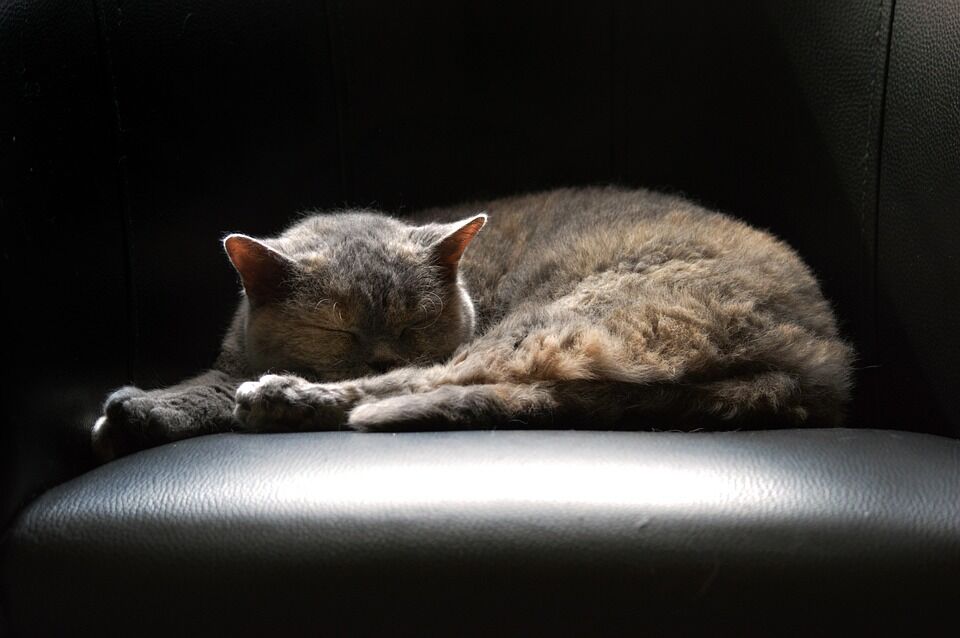
Caring for Your Selkirk Rex: Tips for a Happy, Healthy Feline!
The Selkirk Rex is a captivating breed known for its distinctive curly coat, round face, and playful demeanor. This breed originated in Montana in 1987 when a shelter cat named Miss DePesto gave birth to a litter of kittens, one of which had unusually curly fur. The breed was named after Selkirk Mountain, where it was discovered, and since then, the Selkirk Rex has become a favorite among cat lovers. With their affectionate temperament and unique appearance, these cats make excellent companions for various households. In this article, we’ll delve into the characteristics of the Selkirk Rex, their grooming needs, health considerations, and how to care for them properly.
History and Characteristics
The Selkirk Rex isn’t just another cute feline; it has a fascinating history. Initially, cat breeders were unsure whether the curly coat was a genetic anomaly or a breed of its own. After comprehensive breeding programs, the Selkirk Rex was officially recognized as a breed in the early 1990s.
Temperament and Personality Traits
The Selkirk Rex is known for its friendly and easy-going personality. They are incredibly affectionate and often form close bonds with their human companions. Their playful nature makes them great pets for families with children or other animals. Here are some key personality traits:
- Affectionate: They love to snuggle and enjoy the company of their humans.
- Playful: Selkirk Rexes are energetic and enjoy interactive games.
- Social: They thrive in social settings—both with people and other pets.
- Adaptive: This breed can adapt well to new environments, making them perfect for both apartment living and larger homes.
Grooming Needs
One of the perks of owning a Selkirk Rex is their relatively low-maintenance grooming needs. Their unique curly coat doesn’t mat easily, but regular grooming helps reduce shedding and keeps their coat healthy. Here are some grooming tips:
- Brushing: Brush once a week using a soft brush to help remove dirt and loose fur.
- Bathing: Bathe your Selkirk Rex every 2-3 months to keep their coat clean. Use a cat-friendly shampoo to avoid skin irritation.
- Nail trimming: Trim their nails regularly to prevent overgrowth and discomfort.
Health Considerations
While Selkirk Rexes are generally healthy, it’s essential to be aware of certain health issues that may arise:
- Obesity: Given their love for food, monitor their diet and exercise.
- Heart issues: Regular vet check-ups can help catch any early signs of heart disease.
- Genetic conditions: Discuss with your veterinarian any hereditary concerns your Selkirk Rex may face.
Suitability for Different Types of Households
The Selkirk Rex is suitable for various households, including those with children, elderly individuals, or other pets. Their adaptable nature means they can thrive in any environment as long as they receive love, attention, and care.
Tips for Training, Socializing, and Caring for Your Selkirk Rex
Training
- Start early: Begin training your Selkirk Rex when they are a kitten to help them understand commands and house rules.
- Use positive reinforcement: Reward good behavior with treats or praise—this technique encourages them to repeat those behaviors.
- Short sessions: Keep training sessions short and engaging to maintain your cat’s interest.
Socializing
- Introduce gradually: When introducing your Selkirk Rex to new people or pets, do so gradually and in a controlled environment.
- Regular outings: Allow them to experience different environments to help build their confidence.
Understanding emotional support animals (ESA)
An emotional support animal (ESA) is a pet that provides comfort and support to individuals with mental health conditions. ESAs are not necessarily trained for specific tasks like service animals but offer companionship that contributes to emotional well-being.
Benefits of Designating a Pet as an ESA
Having a certified ESA can significantly enhance your quality of life. People have reported that the presence of an ESA helps:
- Reduce anxiety: Simply being with a pet can calm nerves and provide comfort during stressful situations.
- Offer companionship: Pets can help alleviate feelings of loneliness and isolation, especially in those who live alone.
- Encourage routine: Caring for a pet provides a daily structure, which can be beneficial for mental health.
Real-life Examples
Numerous stories highlight how pets function as emotional support. One individual shared that during tough times, her cat would curl up next to her, providing warmth and companionship that eased her anxiety. Another reported that taking care of a dog encouraged him to get outside, exercise, and interact with others, lifting his spirits significantly.
Key Information
- Breed Overview: The Selkirk Rex originated in Montana; they are known for their affectionate, playful, and sociable personalities.
- Grooming Needs: Low-maintenance; regular brushing and occasional baths are enough.
- Health Considerations: Monitor for obesity and genetic conditions; regular vet check-ups are essential.
- Training and Socializing: Early training, positive reinforcement, and gradual socialization are important.
How Dogs and Cats Provide Emotional Support
The bond between humans and pets has psychological and emotional benefits. Here’s how pets can improve emotional health:
- Physiological Impact: Interacting with pets can lower cortisol levels (the stress hormone) and increase serotonin and dopamine levels, which can enhance mood.
- Presence and Bonding: The simple act of petting a cat or dog releases oxytocin (the “love hormone”), fostering a deeper emotional connection.
- Resilience: Pets encourage a sense of purpose and responsibility, which helps develop emotional resilience.
FAQs About Emotional Support Animals
-
What is an ESA?
An Emotional Support Animal is a pet that provides companionship and emotional support to individuals with mental health conditions. -
Do ESAs require special training?
No, ESAs do not require specific training, unlike service animals that perform tasks for their handlers. -
Can any animal be an ESA?
Yes, most common pets like dogs, cats, and even rabbits can serve as emotional support animals. -
Is an ESA the same as a service animal?
No, ESAs offer emotional support and companionship, while service animals are specially trained to perform specific tasks for individuals with disabilities. -
Do I need a special certification for my ESA?
While having documentation from a licensed mental health professional can be beneficial, specific laws for ESAs can vary by location.
Conclusion
Caring for a Selkirk Rex can enrich your life in many delightful ways, especially if you have an emotional support need. Not only does this affectionate breed make for an excellent companion, but their hair and grooming requirements are manageable. If you believe you could benefit from the emotional support of your pet, consider designating them as an ESA. For trusted resources, visit Veripaw.org. Founded in 2012, Veripaw connects pet owners with licensed mental health professionals to obtain ESA documentation and access quality pet accessories. Start your journey towards emotional support today!

