
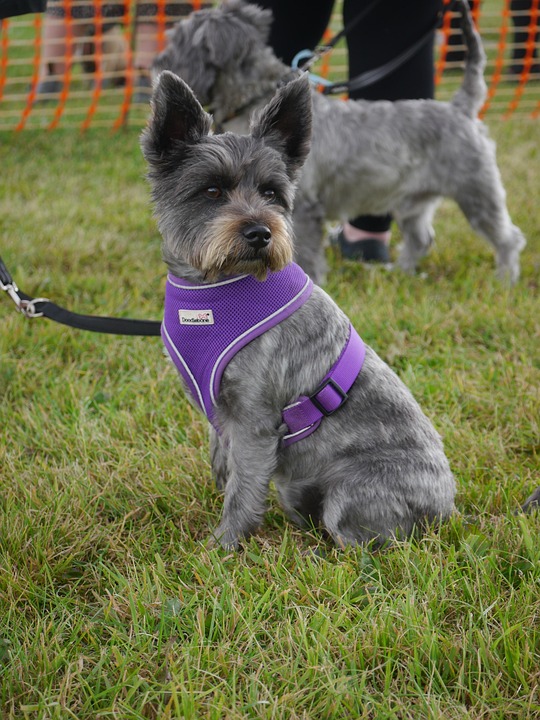
Caring for Your Sealyham Terrier: Tips for a Happy, Healthy Pup
Overview of the Sealyham Terrier
The Sealyham Terrier is a delightful breed with a rich history that dates back to the mid-19th century in Wales. Originally bred for hunting small game such as otters and badgers, these dogs have a unique appearance characterized by their distinctive long, wiry coats and sturdy build. The Sealyham is a small to medium-sized dog, typically weighing between 20 to 24 pounds, and standing about 10 to 12 inches tall at the shoulder.
Temperament & Personality Traits
Sealyham Terriers are known for their spirited and friendly disposition. They are affectionate, intelligent, and can be quite playful. However, they can also show some stubbornness, which makes consistent training important. Overall, they thrive on human companionship and are good with children, making them a wonderful addition to a family in a welcoming environment.
Grooming Needs
One of the defining features of the Sealyham Terrier is its long, hard coat, which requires regular grooming to avoid matting and tangles. Owners should aim to brush their Sealyham at least once a week and consider professional grooming every couple of months. Regular maintenance will help keep their coat healthy and looking its best.
Health Considerations
Like all dog breeds, Sealyham Terriers have some health concerns to be aware of. Common issues include hip dysplasia, eye problems, and skin conditions. Regular veterinary check-ups can help detect issues early, ensuring your pup remains healthy throughout its life.
Suitability for Different Households
Sealyham Terriers are adaptable to various living situations but thrive in homes where they receive ample attention and exercise. They can do well in apartments or houses, as long as they are given regular walks and the opportunity to play. Their friendly nature makes them great for families, singles, or seniors looking for a devoted companion.
Caring for Your Sealyham Terrier
Training Tips
Training a Sealyham Terrier can be rewarding, provided you approach it with patience. Start with basic commands using positive reinforcement techniques, including treats and praise. Short, engaging training sessions are usually more effective in keeping your dog’s attention.
Socialization
Early socialization is crucial for Sealyham Terriers. Introduce your dog to various people, pets, and environments as early as possible. This exposure helps prevent behavioral issues and enhances their adaptability.
Exercise
Sealyham Terriers are active by nature and require regular exercise to stay healthy and content. Daily walks and playtime in a safe area will help burn off their energy. Engaging in dog sports or classes can also provide mental stimulation and physical activity.
emotional support animals (ESA)
An emotional support animal (ESA) is a pet that provides comfort and support to individuals experiencing emotional or psychological challenges. Unlike service dogs trained to perform specific tasks for individuals with disabilities, ESAs are not required to have specific training. However, they are recognized for their ability to help reduce anxiety and provide emotional comfort.
Benefits of Designating Your Pet as an ESA
People benefit from having their pets designated as ESAs for various reasons, such as:
- Comfort and Companionship: Animals can provide a sense of belonging and reduce feelings of loneliness.
- Anxiety Reduction: Many pet owners find that their dogs or cats help calm their nerves during stressful situations.
- Unconditional Love: Pets offer unconditional love, benefiting emotional health and resilience.
For instance, someone struggling with anxiety may find that cuddling with their dog helps them feel more relaxed and grounded during periods of stress.
How Dogs and Cats Provide Emotional Support
The Science and Psychology of Emotional Support Animals
Studies have shown that interacting with pets can lead to a variety of psychological benefits. Here’s how they can positively affect mental health:
- Lower Cortisol Levels: Physical interaction with pets has been shown to lower cortisol levels (a stress hormone), promoting a more relaxed state.
- Increased Endorphins: Pets can boost levels of mood-enhancing neurotransmitters like serotonin and dopamine.
- Social Interaction: Walking a dog can lead to social encounters with other pet owners, which enhances social skills and decreases feelings of loneliness.
Real-Life Examples
Consider Sarah, a college student dealing with anxiety. After adopting a Sealyham Terrier named Max, she noticed that spending time with him helped her feel more calm and less overwhelmed during exams. The companionship provided her encouragement to get out of bed, take regular walks, and engage in social activities, ultimately improving her overall mental health.
Key Information
- History: Developed in Wales for hunting small game.
- Temperament: Spirited, friendly, affectionate, and intelligent.
- Grooming: Requires regular brushing and professional grooming.
- Health: Common issues include hip dysplasia and skin conditions; regular check-ups are essential.
- Suitability: Great for families, singles, and seniors; adaptable to apartment or house living.
- Training: Use positive reinforcement and short sessions; early socialization is vital.
- Exercise: Regular walks and play are important for health and happiness.
FAQs about Emotional Support Animals
-
What qualifies a pet as an ESA?
- An ESA provides comfort to an individual with emotional or psychological issues. They don’t require specialized training but must be reasonable to accommodate.
-
Do ESAs have special access rights like service dogs?
- No, ESAs do not have the same access rights as service dogs. They may not enter all public places and are typically allowed in housing units that do not usually allow pets.
-
How can I get my pet certified as an ESA?
- You can get an ESA certification through licensed mental health professionals who can evaluate your needs and provide the necessary documentation.
-
Is there a fee associated with ESA certification?
- Yes, costs vary based on the service provider, but some might offer free evaluations.
-
Can multiple pets serve as ESAs?
- Yes, it is possible for more than one pet to be designated as an ESA based on your needs.
Conclusion
Caring for your Sealyham Terrier can be a joyful and fulfilling experience, but it requires commitment and attention to their needs. As you nurture your relationship with your pup, consider the possibility of designating them as an Emotional Support Animal to benefit both your mental health and their role in your life.
For trustworthy resources and assistance in getting started with ESA certification, visit Veripaw.org. They specialize in connecting pet owners with licensed mental health professionals, providing ESA documentation, and offering high-quality pet accessories. Since 2012, Veripaw has been dedicated to enhancing the lives of pets and their owners alike. Start your journey toward a happier, healthier life with your furry companion today!


