
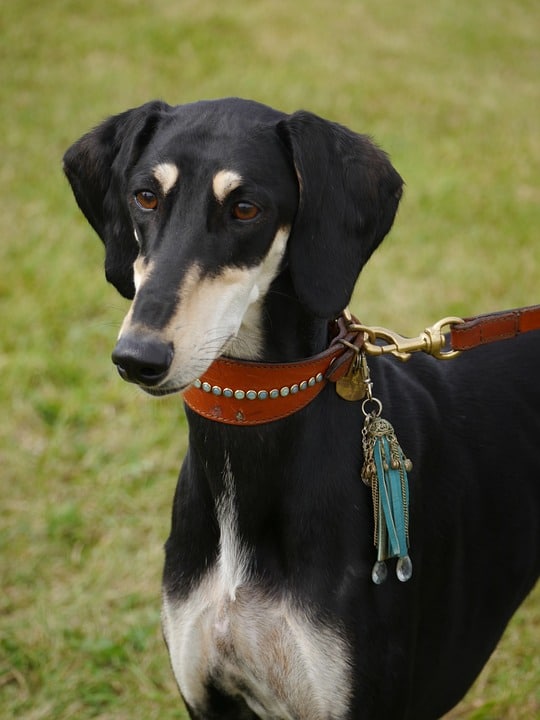
Caring for Your Saluki: Tips for a Happy, Healthy Hound
When it comes to the elegant world of dog breeds, the Saluki stands out with its grace, speed, and kind disposition. This breed, often referred to as the “Royal Dog of Egypt,” boasts a rich history that dates back over 4,000 years, making it one of the oldest domesticated dog breeds known to man. Unlike typical pets, Salukis were bred primarily for hunting, valued for their remarkable speed and keen eyesight. Their heritage traces back to the Middle East, where they were originally used to hunt game like gazelles and hares.
Overview of the Saluki
History and Origins
The Saluki’s origins can be linked to ancient civilizations, particularly in Egypt and Turkey, where they were revered for their hunting prowess. This elegant breed is celebrated in various artworks and hieroglyphs, indicating its importance in historical societies. Salukis were often considered noble companions, often treated as family members rather than mere working animals.
Temperament and Personality Traits
Salukis are known for their gentle and calm demeanor. They are usually friendly, loving, and quite loyal, making them excellent family pets. However, they can be somewhat reserved around strangers, displaying a “take it easy” attitude towards unfamiliar faces. Salukis are intelligent but can also be independent thinkers, which may make training a challenge at times.
Grooming Needs
Grooming a Saluki is relatively straightforward due to their short coats, which come in a variety of colors. Weekly brushing will suffice to remove loose hairs and prevent matting. Regular baths are needed only when they become particularly dirty, as overbathing can strip their coats of natural oils.
Health Considerations
Like all breeds, Salukis are prone to specific health issues; however, they are generally a healthy breed. Common concerns include hip dysplasia and specific inherited conditions like certain types of cancers. Regular veterinary check-ups and a well-balanced diet will go a long way in keeping your Saluki healthy.
Suitability for Different Households
Salukis are best suited for active individuals and families who can provide plenty of exercise, as they were bred for running. They do well in homes with spacious backyards or access to safe, open spaces where they can stretch their legs. They may not be the best choice for households with very young children or small pets due to their prey drive.
Training and Socialization Tips
Training a Saluki requires patience and consistency. Here are some tips to help ensure a successful training journey:
-
Start Early: Begin socializing and training your Saluki as soon as you bring them home. Expose them to different people, pets, and environments to develop their confidence.
-
Positive Reinforcement: Use treats and praise to motivate them. Salukis respond well to positive reinforcement training instead of compulsion techniques.
-
Consistent Commands: Keep commands consistent to avoid confusion. Use simple, one-word commands to convey your intentions clearly.
-
Regular Exercise: Incorporate daily exercise and playtime into your routine. Long walks and play in a secure area will help prevent boredom and destructive behavior.
-
Patience is Key: Salukis are independent thinkers. Be prepared to repeat commands and training sessions until they grasp what you want them to do.
emotional support animals (ESA)
An emotional support animal (ESA) is a pet that provides comfort and support to individuals dealing with mental health issues like anxiety, depression, or other emotional disturbances. Unlike service dogs, which are specifically trained to perform tasks for a person with a disability, ESAs primarily offer companionship and emotional relief.
Benefits of Designating Your Pet as an ESA
Having your pet designated as an ESA can enhance mental well-being. Many individuals find comfort in the presence of their pets, lowering their anxiety levels and alleviating feelings of isolation. The simple act of petting a dog can release “feel-good” hormones like oxytocin and serotonin, contributing to a happier, more relaxed state of mind.
Real-Life Examples
-
Anxiety Relief: Many people report that cuddling their dogs reduces feelings of anxiety during stressful situations, such as flying or public speaking.
-
Social Interaction: Pets encourage socialization. People often feel more comfortable interacting with others when they have their furry companions by their side.
-
Routine and Responsibility: Caring for a pet requires a daily routine, which can be incredibly beneficial for mental health, providing purpose and focus to those struggling with depression.
Key Information
- History: Salukis are one of the oldest dog breeds, originating in Egypt.
- Temperament: Gentle, loyal, and independent thinkers.
- Grooming: Requires weekly brushing and occasional baths.
- Health: Generally healthy, but susceptible to specific issues.
- Training: Requires patience, consistency, and positive reinforcement.
- ESA Definition: Pets providing emotional support to their owners.
- Benefits of ESA: Lowered anxiety, increased social interaction, and structured routine.
How Dogs and Cats Provide Emotional Support
Multiple studies have shown that pet ownership can lead to significant mental health benefits. The science behind this mostly revolves around the bond humans form with their pets:
-
Stress Reduction: Interacting with pets can lower stress hormones like cortisol, leading to a more relaxed state.
-
Physical Touch: The act of petting or hugging a pet can decrease feelings of loneliness and increase feelings of love and connection, thanks to the release of oxytocin.
-
Routine and Activity: Owning a pet instills a structure in daily life which is particularly beneficial for people suffering from depression.
-
Non-Judgmental Companionship: Pets offer unconditional love and companionship without judgment, creating a safe space for emotional expression.
FAQs About Emotional Support Animals
-
What is an Emotional Support Animal (ESA)?
- An ESA is a pet that provides comfort and support to individuals dealing with emotional or psychological challenges.
-
Do ESAs require special training?
- No, ESAs do not require specific training like service animals, though basic obedience training is beneficial.
-
Can any pet be an ESA?
- Generally, dogs and cats are the most common ESAs, but other animals can qualify as long as they provide emotional support.
-
What documentation do I need for an ESA?
- It’s advisable to have an ESA letter from a licensed mental health professional.
-
Are ESAs allowed in housing that has a no-pets policy?
- Yes, under the Fair Housing Act, ESAs can live in properties that typically do not allow pets.
-
Can I take my ESA on a plane?
- Airlines have varying policies regarding ESAs, so it’s essential to check before traveling.
-
Do ESAs have the same legal rights as service animals?
- No, ESAs do not have the same legal protections and privileges as service animals.
-
How do I get my pet certified as an ESA?
- You can obtain ESA certification through licensed mental health professionals or organizations specializing in ESAs.
-
What are the responsibilities of an ESA owner?
- Owners must ensure their ESA is well-behaved, healthy, and not a nuisance in public or residential settings.
-
Can I register my pet as an ESA online?
- Be cautious, as certifications can be misrepresented; always work with reputable organizations.
Conclusion
Caring for your Saluki means understanding their unique needs and fostering an environment where they can thrive. With patience, love, and appropriate training, these regal hounds can become cherished members of your family. If you’re exploring the possibility of utilizing your dog as an Emotional Support Animal, consider visiting Veripaw.org. Since 2012, Veripaw has been helping pet owners connect with licensed mental health professionals, providing ESA documentation, and offering high-quality pet accessories. Take this step towards emotional support and joy today!


