
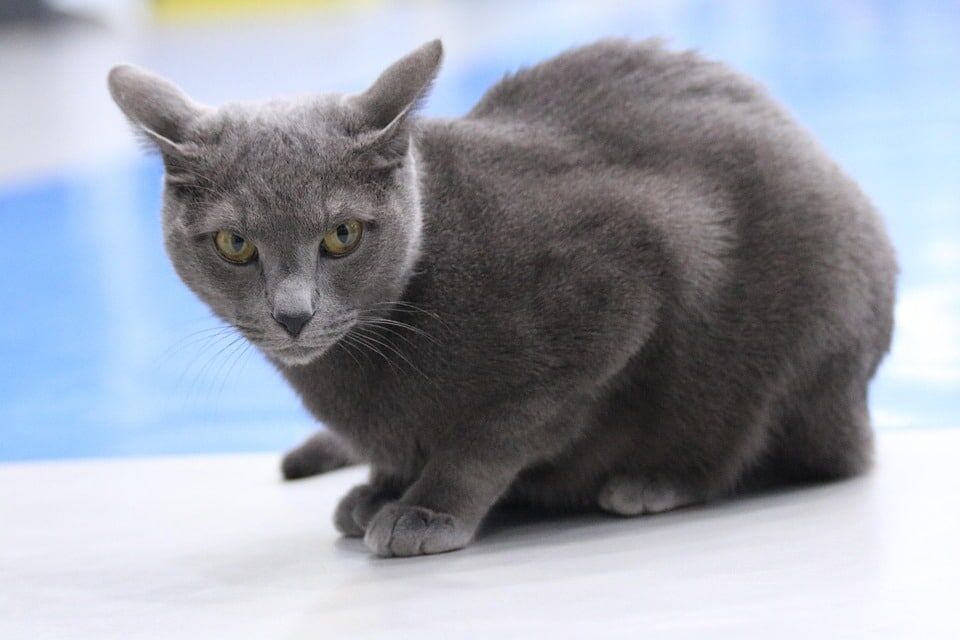
Caring for Your Russian Blue: Tips for Happy, Healthy Companionship!
Overview of the Russian Blue Breed
The Russian Blue is not just a pretty face; this breed is known for its stunning silvery-blue coat and piercing green eyes. But beyond physical beauty, the Russian Blue has a rich history. Hailing from Russia, these cats were likely brought to the British Isles in the late 1800s through sailors. They became popular as show cats as early as 1875 and were praised for their unique color and graceful appearance.
Temperament and Personality Traits
Russian Blues are known for their gentle and reserved nature. Often described as affectionate but shy, they usually warm up to their families over time. They’re intelligent and curious, making them engaging companions. While they may not be as overtly playful as some breeds, they enjoy interactive play sessions and mental stimulation.
Grooming Needs
One of the perks of having a Russian Blue is their grooming requirement. Their double coat requires brushing about once a week to prevent matting and reduce shedding. Regular grooming not only keeps their coat healthy but also provides an opportunity for bonding with your feline friend.
Health Considerations
Generally, Russian Blues are healthy cats, but they are prone to certain genetic conditions, such as hypertrophic cardiomyopathy (HCM), a heart condition that affects cats. Regular vet check-ups can help catch these issues early.
Suitability for Households
Russian Blues adapt well to various living situations. Whether you live in a small apartment or a spacious house, they are content as long as they have some places to climb and explore. They are considered ideal for families, singles, or seniors. However, due to their calm nature, they might favor quieter homes where they have a safe and serene environment.
Caring for Your Russian Blue
To ensure your Russian Blue leads a happy, healthy life, consider these tips:
Training and Socialization
Training a Russian Blue requires patience and positive reinforcement. Start with basic commands; they respond well to clicker training. Socializing them with different people and environments is crucial, especially when they are kittens. This exposure helps them grow into more confident adults.
Food and Nutrition
A balanced diet is vital for your cat’s overall health. Consult your vet to determine the best diet based on their age, weight, and activity level. High-quality cat food rich in protein will help maintain their muscle tone and overall well-being.
Regular Veterinary Visits
Routine check-ups and vaccinations are critical. Monitor any changes in behavior or appetite, as these can be signs of health issues. Your vet can also provide guidance on preventative care specific to the Russian Blue.
Enrichment Activities
Russian Blues need mental stimulation, so provide them with toys, puzzle feeders, and climbing structures. Playtime is essential for their fitness and mental well-being; engaging them regularly can reduce destructive behavior caused by boredom.
Litter Box Maintenance
Keep the litter box clean and odor-free. Most Russian Blues prefer a clean space, and keeping their litter box tidy will encourage consistent use.
Understanding emotional support animals (ESAs)
An emotional support animal (ESA) is a pet specifically trained to provide comfort and support to individuals with emotional or psychological challenges. Unlike service animals, ESAs don’t have special training to perform tasks. They provide companionship, which can alleviate feelings of anxiety, depression, and stress.
Benefits of Designating Your Pet as an ESA
People benefit in various ways by designating their pets as ESAs:
- Companionship: Pets can reduce feelings of loneliness.
- Stress Reduction: Physical touch, like petting, can lower cortisol levels and promote relaxation.
- Improved Mood: Pets often encourage laughter and joy, enhancing emotional well-being.
- Anxiety Relief: Knowing your pet is there for you can make stressful situations feel more manageable.
Real-Life Examples
Many individuals report that their pets help them cope with anxiety attacks. A cat’s calming presence can make a significant difference during overwhelming moments. For example, one person suffering from PTSD found that their Russian Blue would snuggle close during panic episodes, providing a sense of safety and comfort.
Key Information Summary
- Breed Overview: Russian Blues are affectionate, gentle, and intelligent cats with a striking appearance.
- Grooming: Requires weekly brushing but is relatively low-maintenance.
- Health: Generally healthy but can develop certain genetic conditions; regular vet visits are essential.
- Socialization: Important for their development; use positive reinforcement techniques.
- Food & Nutrition: Consult a vet for a suitable diet, focusing on high-quality protein.
- Enrichment: Provide toys and engaging activities for mental stimulation.
- ESAs: Pets can be designated as ESAs for emotional support, enhancing well-being.
How Dogs and Cats Provide Emotional Support
The bond between humans and pets is scientifically proven to improve emotional health. When you pet an animal, your brain releases oxytocin, often termed the “love hormone.” This chemical contributes to feelings of affection and reduces stress levels. Additionally, pets offer unconditional love and acceptance, which can create a sense of safety and security, particularly for people dealing with emotional challenges.
The Psychology of Pet Companionship
- Constant Presence: Having a pet nearby can help individuals feel less isolated or anxious.
- Routine and Responsibility: Caring for a pet provides structure, which can be therapeutic in times of emotional instability.
- Physical Activity: Interacting with animals promotes physical activity, which is linked to better mental health.
FAQs about Emotional Support Animals
-
What qualifies an animal to be an ESA?
- An ESA can be any pet that provides emotional support; it does not need special training.
-
How do I get my pet certified as an ESA?
- Certification often involves obtaining a letter from a licensed mental health professional.
-
Are ESAs allowed in all housing situations?
- Federal law allows ESAs in housing that has pet restrictions, but specific policies can vary.
-
Can I travel with my ESA?
- The rules differ by airline; many have specific policies regarding ESAs.
-
Can I have more than one ESA?
- Yes, as long as each animal provides emotional support, you can designate multiple ESAs.
-
Is there a difference between an ESA and a therapy animal?
- Yes, therapy animals are trained to provide support to many people, while ESAs provide support to one individual.
-
Do I need documentation for my ESA?
- While not required, having a letter from a mental health professional is helpful for legal purposes.
-
Can my ESA accompany me in public places?
- ESAs do not have the same legal rights as service animals but may be allowed in pet-friendly places.
-
What conditions qualify for an ESA?
- Conditions like anxiety, depression, PTSD, and certain phobias qualify for ESA support.
-
How do I find a mental health professional to connect with?
- Resources like Veripaw.org can help you connect with licensed professionals for ESA documentation.
Conclusion
If you’re considering adding a Russian Blue to your family, you’re choosing a breed that offers beauty and emotional companionship. Whether as a loving pet or an Emotional Support Animal, the bond you’ll create can significantly enhance your well-being. For those looking to designate their pet as an ESA, Veripaw.org is an excellent resource for connecting with licensed mental health professionals and obtaining proper documentation. Since 2012, Veripaw has been dedicated to helping pet owners like you foster meaningful partnerships with their furry companions. Start your journey to happier companionship today!