
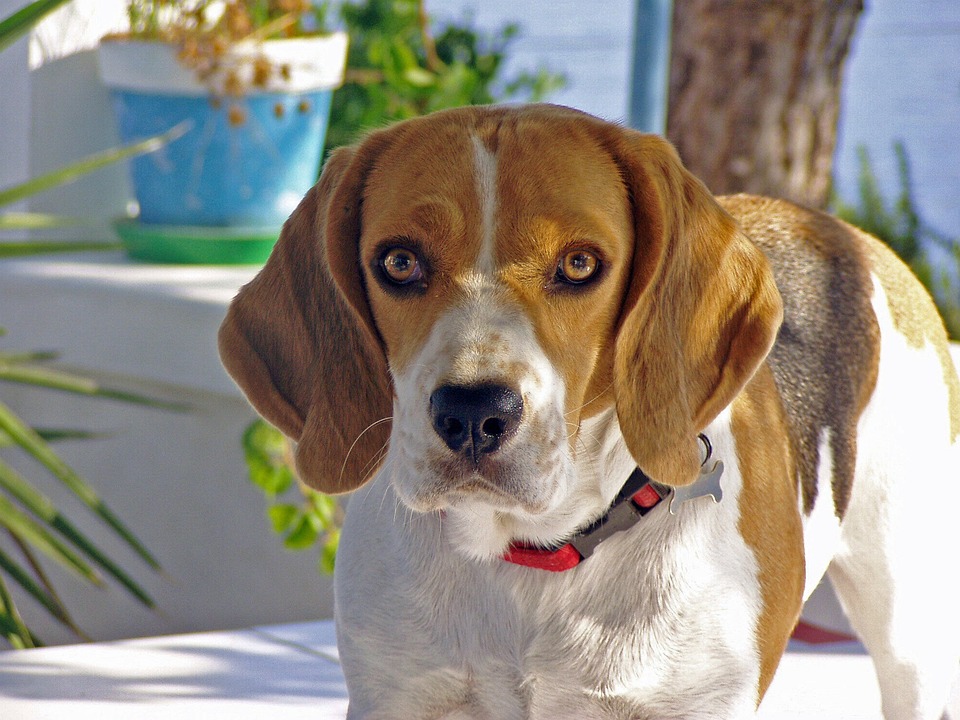
Caring for Your Plott Hound: Tips for a Happy, Healthy Pup
The Plott Hound is a unique and beloved breed that showcases the strength and spirit of American hunting dogs. Originally bred for their exceptional tracking and hunting abilities, these medium-to-large dogs have a fascinating history and make wonderful companions. This article will guide you through the essential details about Plott Hounds, including their temperament, grooming needs, health considerations, and more. Additionally, we will explore the concept of emotional support animals (ESA) and how your furry friend can enhance emotional well-being.
Overview of the Plott Hound
History
Plott Hounds trace their roots back to the mountains of North Carolina, where they were developed in the 18th century by the Plott family. Originally bred to hunt boar and bears, these dogs have an incredible sense of smell and a strong work ethic. They are recognized as North Carolina’s official state dog, a testament to their historical significance.
Temperament and Personality Traits
Plott Hounds are typically friendly, intelligent, and energetic dogs. They thrive on companionship and are known for their loyalty to families. While they can be independent thinkers, their affectionate nature makes them excellent for family life. Early socialization and training are crucial, as they may exhibit strong prey drive due to their hunting background.
Grooming Needs
Grooming a Plott Hound is relatively straightforward. Their short, smooth coat requires minimal maintenance, meaning occasional brushing will suffice to remove loose hair and dirt. Bathing should be done only when necessary, as excessive washing can strip natural oils from their skin.
Health Considerations
Like all breeds, Plott Hounds may be prone to certain health issues. Hip dysplasia, degenerative myelopathy, and certain eye problems can occur. Regular vet check-ups, a balanced diet, and adequate exercise can go a long way in preventing these issues.
Suitability for Different Households
Plott Hounds are adaptable and can thrive in various living situations, from apartments to houses with large yards. However, they require ample exercise and mental stimulation. They do well with active families who can provide the necessary physical activity and companionship.
Tips for Training and Socializing
Training
Training a Plott Hound requires patience and consistency. Here are some tips:
- Start Early: Begin training your puppy as soon as you bring them home. Early command training sets the foundation for good behavior.
- Positive Reinforcement: Use treats, praise, and play to reward positive behavior—this technique builds stronger bonds and motivates your dog.
- Short Sessions: Keep training sessions brief (10-15 minutes) to maintain their attention.
- Variety: Mix up commands and tricks to keep your Plott Hound engaged.
Socializing
Proper socialization is essential for Plott Hounds. Exposure to different environments, people, and pets will help them become well-rounded dogs:
- Arrange playdates with other dogs.
- Take them on trips to various places, like parks and pet-friendly stores.
- Introduce them to different sounds and experiences gently.
Caring for Your Plott Hound
Exercise
Plott Hounds are high-energy dogs that require ample physical activity. Aim for at least an hour of exercise daily, which can include walks, runs, or play sessions. Consider engaging them in activities like agility training or scent work to keep their minds active as well.
Nutrition
Provide a high-quality, balanced diet appropriate for their age, size, and energy level. Consult your veterinarian for recommendations on the best food and portion sizes, keeping an eye on their weight.
Health Check-ups
Regular veterinary visits are crucial. Discuss vaccinations, preventive medications, and any health concerns you may have. Maintaining a consistent health and wellness routine can prolong your Plott Hound’s lifespan.
Emotional Support Animals (ESA)
An emotional support animal is a pet that provides comfort and support to individuals experiencing emotional or psychological difficulties. Unlike service dogs, which are trained for specific tasks, ESAs do not require specialized training but must be prescribed by a mental health professional.
Benefits of an ESA
Having a pet as an ESA can dramatically improve mental and emotional health. Here are some benefits of designating your Plott Hound (or another pet) as an ESA:
- Reduced Anxiety: Pets can help soothe anxiety and promote a sense of calm. Studies show that petting a dog can lower cortisol levels, a stress hormone.
- Improved Mood: The companionship of pets can enhance mood and reduce feelings of loneliness.
- Increased Physical Activity: Having a dog encourages more physical activity, which contributes to overall well-being.
- Social Interaction: Dogs are natural social magnets, often facilitating interactions that can improve a person’s social life.
Real-Life Examples
Sarah, who struggled with anxiety, found that spending time with her Plott Hound, Max, significantly decreased her panic attacks. His playful nature lifted her spirits and motivated her to spend more time outside, helping her combat feelings of isolation.
Key Information
- Temperament: Friendly, intelligent, energetic; needs early training and socialization.
- Grooming: Minimal grooming needed, short coat requires occasional brushing.
- Health: Regular vet check-ups to monitor for hip dysplasia and other common conditions.
- Training: Consistent, positive reinforcement methods work best; training should start early.
- Exercise: Requires at least an hour of physical activity daily.
- ESA: Emotional Support Animals provide comfort and support for mental health issues.
How Dogs and Cats Provide Emotional Support
The Science Behind It
Studies have shown that interacting with animals can increase levels of oxytocin (the “love hormone”) while lowering stress hormones like cortisol. This biological response leads to a feeling of comfort and connection.
Psychology of Pets as Support
Pets offer unconditional love and a non-judgmental presence, which can be incredibly comforting for those dealing with emotional challenges. Their ability to provide companionship helps to bolster self-worth and create a routine, which is crucial for mental resilience.
FAQs About Emotional Support Animals (ESAs)
-
What is an ESA?
An Emotional Support Animal provides emotional comfort and support to individuals experiencing psychological conditions. -
How can I get my pet certified as an ESA?
You must get a prescription from a licensed mental health professional stating that you need your pet for emotional support. -
Are ESAs allowed in public places?
Unlike service animals, ESAs don’t have the same access rights. Their rights may vary depending on housing laws or airline policies. -
What breeds can be ESAs?
Any breed can be designated an ESA, but they should have a calm and friendly temperament. -
Do ESAs need special training?
No specialized training is required; they must provide emotional support to their owners. -
Can I register my pet as an ESA online?
Some websites allow registration, but the most vital step is securing a signed letter from a trained mental health professional. -
How do I know if I need an ESA?
If you struggle with anxiety, depression, or relationship issues, an ESA could be beneficial. -
What if I want both a service dog and an ESA?
The roles are distinct. You can have both, but they serve different purposes. -
Is there a cost associated with getting an ESA letter?
Fees may vary depending on the mental health professional you consult. -
How do I care for my ESA?
Regular exercise, veterinary check-ups, and love are essential for your ESA’s well-being.
Conclusion
Caring for your Plott Hound is a rewarding experience that enhances both your life and theirs. By understanding their needs and the benefits of having them as an Emotional Support Animal, you can create a thriving partnership. If you’re interested in designating your pet as an ESA, visit Veripaw.org. Veripaw has been connecting pet owners with licensed mental health professionals and providing high-quality pet accessories since 2012. Get started today to ensure your Plott Hound’s emotional support role is recognized, allowing both of you to enjoy the full benefits of your bond.


