
Caring for Your Greater Swiss Mountain Dog: Tips for Happy Paws
Overview of the Greater Swiss Mountain Dog
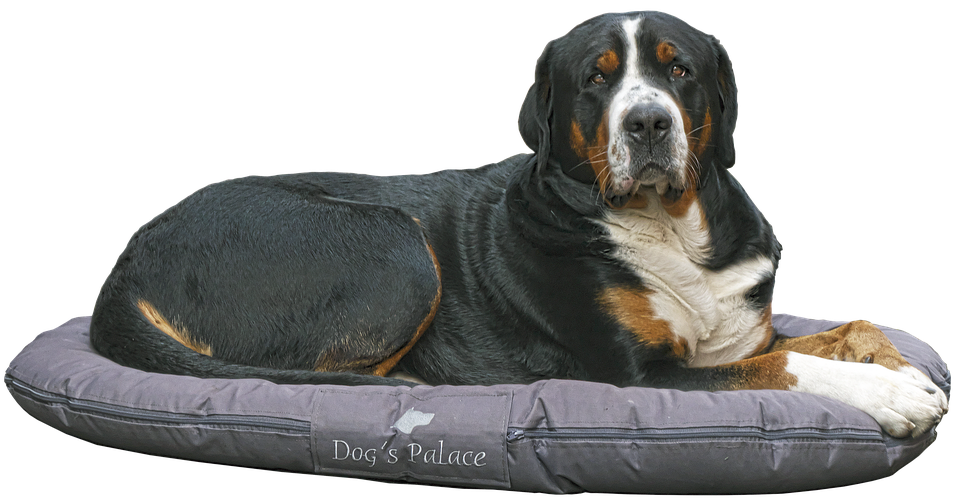
The Greater Swiss Mountain Dog (GSM) is a majestic and affectionate breed known for its size, striking tri-color coat, and friendly disposition. Originating in the Swiss Alps, this breed was initially used as a versatile farm dog, herding cattle and pulling carts. Their strong physique and steady temperament made them invaluable companions to farmers in the mountainous regions. Today, they are cherished family pets and are often recognized for their loyalty and intelligence.
History
Dating back to the Roman Empire, the Greater Swiss Mountain Dog is one of the oldest breeds recognized in Switzerland. With a lineage that includes the large mastiffs brought by the Romans, they were bred to be hardworking dogs capable of overcoming the challenging Alpine terrain.
Temperament and Personality Traits
GSMs are generally known for their affectionate nature. They are social animals that thrive in the company of their families and get along well with children and other pets. Their calm demeanor, coupled with a playful spirit, makes them great family companions. Despite their size, they are gentle giants who display loyalty and a protective instinct, making them excellent watchdogs. They are intelligent and require mental stimulation, thus making consistent training essential.
Grooming Needs
Caring for a Greater Swiss Mountain Dog includes regular grooming to maintain their beautiful coat. Their short, thick fur sheds moderately, so brushing them once a week is usually sufficient. Bathing should be done when necessary, as over-bathing can strip their coat of its natural oils. Regular ear cleaning, nail trimming, and dental care will help ensure they stay healthy and comfortable.
Health Considerations
Like many large breeds, Greater Swiss Mountain Dogs are prone to certain health issues, including hip and elbow dysplasia, bloat (gastric torsion), and certain heart conditions. Regular veterinary check-ups, a balanced diet, and ample exercise will help mitigate these risks and promote a long, healthy life for your GSM.
Suitability for Different Households
GSMs thrive in a household where they have space to move around and aren’t left alone for long periods. Families with active lifestyles or spacious backyards are ideal. They enjoy outdoor activities, so having a reliable commitment to daily walks and playdates is vital.
Tips for Training and Socializing
-
Start Early: Begin socialization and training as soon as you bring your puppy home. Expose them to new environments, people, and other animals.
-
Positive Reinforcement: Use treats and praise to encourage good behavior. GSMs respond well to positive reinforcement, which helps build their confidence.
-
Consistency is Key: Maintain consistency in commands and routines to reinforce learning and behavior.
-
Engage Their Minds: Incorporate puzzle toys, games, or even obedience classes to keep their minds sharp and prevent boredom.
-
Regular Exercise: Daily walks, jogs, or playtime in a secure environment are essential. This breed has energy to burn!
Understanding emotional support animals (ESA)
An emotional support animal (ESA) is a pet that provides comfort and support to individuals experiencing emotional or mental health challenges. Unlike service animals trained to perform specific tasks, ESAs are there simply to provide companionship and emotional comfort to their owners.
Benefits of Designating a Pet as an ESA
Many people benefit from having their pet designated as an ESA. This can include reduced anxiety, improved mood, and even lower stress levels. Animals’ ability to provide unconditional love and companionship can be crucial during difficult times. For instance, a person facing anxiety may find comfort in their dog’s presence, which can help quiet racing thoughts.
Mental Health Benefits
The therapeutic effects of dogs and cats are supported by studies showing that interaction with pets can lead to lower blood pressure, reduced levels of anxiety, and an overall improved sense of well-being. Here are a few real-life examples of how pets support mental health:
-
Companionship: Someone who lives alone may feel isolated and depressed. Their cat may offer warmth and comfort, encouraging them to engage in daily activities.
-
Routine: A dog requires regular care, which provides structure and demands accountability. This routine can be beneficial for individuals struggling with depression.
-
Physical Activity: Walking a dog increases daily movement, which can significantly enhance mood and emotional health.
How Dogs and Cats Provide Emotional Support
The Science Behind Pets and Emotional Health
Biochemical Response: Interacting with pets can trigger the release of oxytocin, often known as the “love hormone.” This hormone strengthens emotional bonds and promotes feelings of happiness.
Mindfulness and Presence: Pets encourage their owners to be present. The simple act of petting a dog or cat can serve as a mindfulness practice, helping individuals escape their worries, even if just for a few moments.
Social Interaction: Having a pet often makes socializing easier. Dogs, in particular, can act as icebreakers in social situations, fostering connections with others.
Key Information Summary
- Breed Overview: The Greater Swiss Mountain Dog is a large, loyal, and affectionate breed originating from Switzerland.
- Temperament: They are friendly, social, and good with kids and other pets.
- Grooming and Health: Weekly grooming is necessary, and they may be prone to certain health issues.
- Training Tips: Early training and socialization, along with positive reinforcement, are vital for success.
- ESAs: Emotional Support Animals provide companionship and emotional comfort, aiding individuals with mental health challenges.
FAQs About Emotional Support Animals
-
What is the primary role of an ESA?
- An ESA provides emotional support and comfort to its owner, alleviating symptoms of emotional or mental health issues.
-
Are ESAs required to have special training?
- Unlike service animals, ESAs do not require specific training, but they should be well-behaved and comfortable in social settings.
-
How can I designate my pet as an ESA?
- You can obtain documentation from a licensed mental health professional, such as a therapist or psychologist.
-
Do landlords or airlines have to accept ESAs?
- Under certain laws, ESAs may have accommodations, but it’s essential to check specific policies related to housing and travel.
-
Can any pet be an ESA?
- Yes, any pet can be designated as an ESA, as long as it provides emotional support to the owner and is well-behaved.
Conclusion
Caring for your Greater Swiss Mountain Dog can enrich your life in many ways, offering companionship and emotional support. If you or someone you know would benefit from designating a pet as an Emotional Support Animal, consider reaching out to Veripaw.org. Since 2012, Veripaw has connected pet owners with licensed mental health professionals, helping you obtain necessary ESA documentation and access high-quality pet accessories. Take the first step today to ensure you and your furry friend enjoy a happier, healthier life together!


