
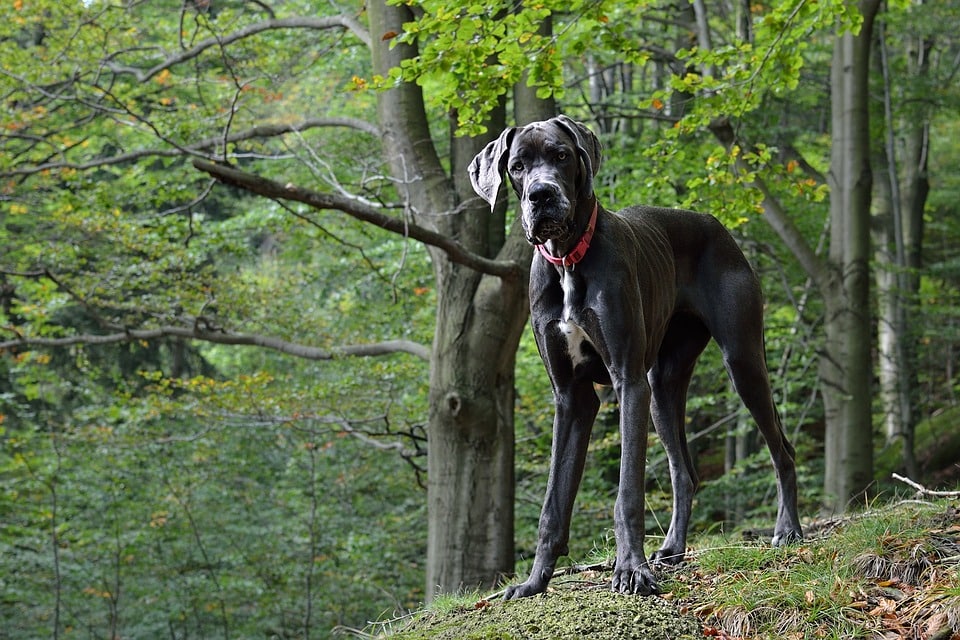
Caring for Your Great Dane: Tips for Joyful, Healthy Living
Overview of the Great Dane Breed
Great Danes are known for their stunning size and gentle disposition. Originally bred in Germany to hunt wild boar and serve as guardians, these majestic dogs have earned the nickname “gentle giants.” Despite their towering height (often standing between 28 to 34 inches), Great Danes are recognized for their kind eyes and friendly nature, making them excellent companions for families and individuals alike.
History
The Great Dane’s lineage can be traced back thousands of years to ancient hunting dogs from the regions of Greece and Rome. Over the centuries, they have evolved into the beloved breed we see today, often serving multiple roles as hunting partners, watchdogs, and devoted family pets.
Temperament and Personality Traits
Great Danes are known for their friendly and affectionate demeanor. They tend to get along well with children and other pets, showcasing a playful side despite their size. Their loyalty and desire to please make them relatively easy to train when approached with consistency and positive reinforcement.
Grooming Needs
Caring for a Great Dane includes some grooming, though their short coat requires less maintenance compared to long-haired breeds. A weekly brushing will help remove loose hair and keep their skin healthy. Regular nail trimming, ear cleaning, and dental care are also essential to ensure good hygiene.
Health Considerations
Due to their size, Great Danes are prone to certain health issues, including:
- Hip Dysplasia: A common skeletal condition leading to arthritis.
- Bloat: A severe condition where the stomach fills with gas and twists.
- Heart Problems: Cardiac issues are more common in larger breeds.
Regular veterinary check-ups and a balanced diet will go a long way in maintaining their health and longevity, which typically ranges from 7 to 10 years.
Suitability for Households
Great Danes are best suited for homes where they have enough space to move comfortably. Although they can adapt to apartment living, having access to a yard or nearby park to exercise is ideal. They thrive in homes where they are included in family activities, as they are social animals that love companionship.
Tips for Training, Socializing, and Caring for Great Danes
Training
- Positive Reinforcement: Use treats and praise to encourage good behavior.
- Start Early: Introduce basic commands like sit, stay, and come as puppies for best results.
- Consistency is Key: Use the same commands and cues consistently to avoid confusion.
Socializing
- Expose Early: Introduce your Dane to various people, pets, and environments during their early months.
- Enroll in Classes: Obedience classes can aid in socialization and provide a structured learning environment.
- Playdates: Arrange playdates with other dogs to help them build social skills.
Caring for Your Dane
- Regular Exercise: Daily walks and play sessions are vital to keeping them healthy and happy.
- Hydration: Provide fresh water at all times, especially after activities.
- Nutritious Diet: A diet tailored to their size, age, and health is crucial. Consult your vet for recommendations.
Understanding emotional support animals (ESA)
An emotional support animal (ESA) is a pet specifically designated to provide comfort and support to individuals experiencing emotional or psychological challenges. Unlike service animals, ESAs do not require specialized training to perform tasks. Instead, their mere presence offers therapeutic benefits, making them crucial companions for many.
Mental and Emotional Health Benefits of ESAs
Having a pet can significantly impact your emotional and mental well-being. Scientific studies reveal that interactions with pets can lower stress, reduce anxiety, and even alleviate symptoms of depression. Here are some real-life examples:
- Comfort and Companionship: Many people find solace in the company of their pets during tough times, helping combat feelings of loneliness.
- Routine and Structure: Caring for a pet can establish a daily routine, which can be comforting for those dealing with anxiety or depression.
- Unconditional Love: The bond shared between an owner and their pet fosters a sense of acceptance and love, enhancing emotional resilience.
Key Information
- Great Danes are gentle giants and make excellent companions for families.
- They require moderate grooming and are prone to specific health issues.
- Early training and socialization are crucial for a well-behaved dog.
- Designating your pet as an ESA can provide emotional support and enhance mental well-being.
- Daily exercise, proper nutrition, and care are essential for the health of your Great Dane.
How Dogs and Cats Provide Emotional Support
Numerous studies have shown the profound effect pets can have on our emotional and mental health. Interactions with pets often release oxytocin, the “love hormone,” which promotes bonding and emotional warmth. Similarly, petting an animal can lower cortisol levels, reducing stress and increasing feelings of happiness.
When we’re down or anxious, simply sitting with a pet can evoke a calming response, helping to ground us. Additionally, caring for a pet can divert attention from stressors, placing focus on nurturing a living being.
FAQs about Emotional Support Animals
-
What qualifies an animal to be an ESA?
An ESA must provide emotional support that alleviates symptoms of mental health conditions. There’s no specific breed requirement, but dogs and cats are the most common choices. -
Do ESAs require special training?
No, unlike service animals, ESAs don’t require specialized training. Their primary role is to offer comfort and companionship. -
Can any pet be an ESA?
Yes, while dogs and cats are most commonly designated as ESAs, other types of animals can also qualify, provided they provide emotional support. -
How do I get my pet certified as an ESA?
You need a letter from a licensed mental health professional that details your need for an emotional support animal. -
Are there any legal benefits to having an ESA?
ESAs have certain housing protections under the Fair Housing Act, allowing them to live with you, even in places with pet restrictions. -
Can I take my ESA anywhere?
Unlike service animals, ESAs do not have the same public access rights and may not be allowed in all public places. -
Is there a size or breed restriction for ESAs?
No, any size or breed can be designated as an ESA as long as they meet the emotional support criteria. -
Can I have more than one ESA?
Yes, provided that each pet is deemed necessary for your emotional support by a licensed mental health professional. -
Are there fees associated with having an ESA?
While there may not be a direct fee, there could be costs related to obtaining documentation from a licensed mental health professional. -
Can I travel with my ESA?
Policies vary by airline or transport companies, so it’s essential to check their ESA policies beforehand.
Call to Action
If you’re considering having your pet recognized as an Emotional Support Animal, look no further than Veripaw.org. Since 2012, Veripaw has been connecting pet owners with licensed mental health professionals, helping them obtain the necessary ESA documentation. They also offer access to high-quality pet accessories to ensure that your furry friend has everything they need for a joyful, healthy life. Visit Veripaw today to take the first step toward enhancing your emotional well-being with the support of your beloved pet.


