
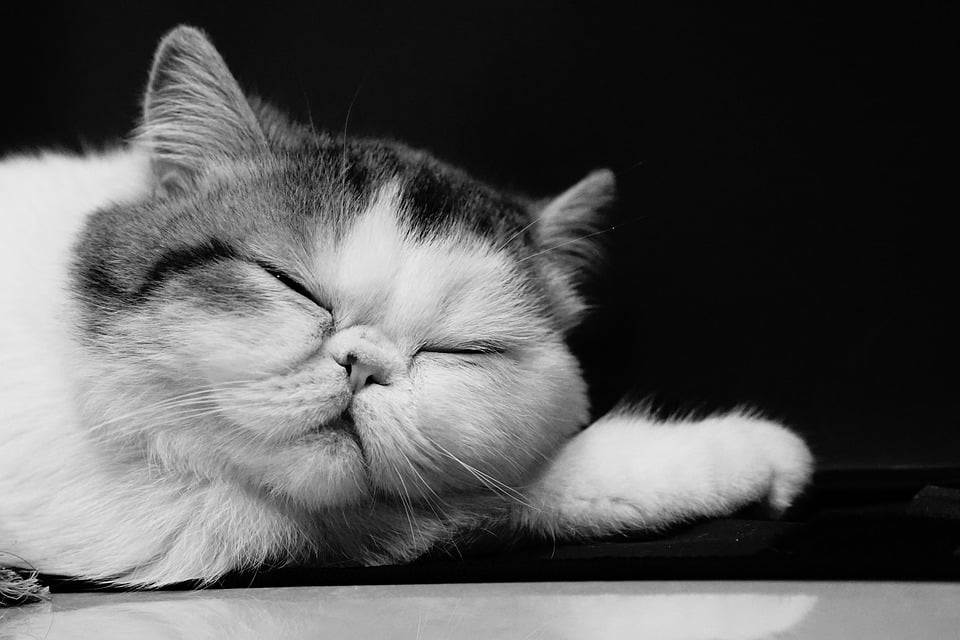
Caring for Your Exotic Shorthair: Tips for a Happy, Healthy Cat
The Exotic Shorthair is a delightful breed known for its round faces, plush coats, and sweet, calm demeanor. A mix of the beloved Persian and the American Shorthair, this breed was developed in the 1950s to provide a low-maintenance version of the Persian cat. While they retain the Persian’s charming looks, their short, dense coats make grooming a breeze compared to their long-haired cousins.
Overview of the Exotic Shorthair
History
The Exotic Shorthair surfaced in the 1950s and blossomed in popularity throughout the 1960s. Breeders sought to create a cat that offered the beauty of the Persian without the high grooming needs. They crossbred Persians with American Shorthairs and other breeds, resulting in a combination that’s as adorable as it is low-maintenance.
Temperament and Personality Traits
Exotic Shorthairs are known for their friendly, affectionate nature. They often attach themselves closely to their human family members and enjoy interacting with both adults and children. Their playful yet laid-back temperament makes them ideal companions for a range of households. These cats tend to be more active than you might assume, engaging in bursts of playful energy followed by cozy lounging.
Grooming Needs
Their short coat does require some grooming, but much less than that of a Persian. A weekly brush helps remove loose hair and prevent hairballs. Regular bathing is typically unnecessary unless they get into something messy. Additionally, regular dental care is a must, as these cats can be prone to dental issues.
Health Considerations
While Exotic Shorthairs generally enjoy good health, they can be prone to certain genetic conditions, such as respiratory issues due to their flat faces—the brachycephalic characteristic. Regular vet check-ups are essential to catch any potential problems early. Make sure to keep an eye on their weight; obesity is a common concern.
Suitability for Different Households
Exotic Shorthairs adapt smoothly to various living situations. They thrive in smaller apartments or larger homes, provided they have ample opportunities for play and interaction. Their social nature makes them compatible with families, singles, or seniors, provided they receive attention and love.
Caring for Your Exotic Shorthair
Tips for Training and Socializing
-
Start Early: Begin socializing your cat at a young age. Gently expose them to various situations, people, and other pets to help them become well-adjusted adults.
-
Positive Reinforcement: Use treats, pets, and praises to motivate your cat during training. Place their litter box in a quiet area, and reward them for using it.
-
Provide Enrichment: Interactive toys, climbing trees, and scratching posts can keep your Exotic Shorthair entertained and mentally stimulated.
Daily Care
-
Diet: Choose high-quality cat food appropriate for their age, weight, and health. Consult your veterinarian for dietary recommendations.
-
Health Check-Ups: Regular vet visits will ensure your cat stays healthy and catches any potential issues early.
-
Hydration: Make sure your cat has access to fresh water at all times.
-
Litter Box Maintenance: Keep the litter box clean, removing waste daily and changing the litter regularly.
emotional support animals (ESA)
An emotional support animal (ESA) is a pet that provides comfort and support to its owner, often helping to alleviate symptoms of emotional or psychological conditions. Unlike service animals, ESAs don’t require specific training to perform tasks for individuals with disabilities; their mere presence offers calming effects.
Benefits of an ESA
Many individuals report significant improvements in their mental and emotional well-being after adopting a pet. Here are some examples:
-
Reduced Anxiety: Many cat owners find petting or cuddling with their Exotic Shorthairs helps them relax during stressful times.
-
Companionship: Having a pet like an Exotic Shorthair provides company and a feeling of loving connection, which is invaluable to those who may feel isolated.
-
Routine-Driven Life: Caring for a pet adds structure and purpose to one’s daily routine, aiding those who struggle with depression or anxiety.
Key Information
- Exotic Shorthair Breeds: Develops from the Persian and American Shorthair.
- Temperament: Friendly, affectionate, adaptable.
- Grooming: Weekly brushing; lower grooming needs than Persians.
- Health: Prone to obesity and respiratory issues; regular vet check-ups are crucial.
- Suitability: Great for various households, including families and seniors.
- ESA Benefits: Provides emotional support, reduces anxiety, and enhances companionship.
How Dogs and Cats Provide Emotional Support
Research in psychology shows that pets can significantly boost emotional health through several mechanisms:
-
Physical Touch: Petting an animal releases oxytocin, often referred to as the “love hormone.” This boosts mood and creates feelings of connection and warmth.
-
Routine and Responsibility: Owning a pet encourages individuals to maintain a structure in their day, which can help alleviate symptoms of anxiety and depression.
-
Social Interaction: Pets often serve as ice-breakers in social situations, reducing feelings of loneliness and isolation.
-
Calming Presence: Simply having a cat or dog around can lower stress levels and provide comfort during difficult moments.
FAQs about Emotional Support Animals
-
What is an Emotional Support Animal?
- An ESA is a pet that provides comfort and emotional support to its owner, diagnosed with mental health conditions.
-
Do ESAs require special training?
- No, they don’t need specific training, but they should be well-behaved and social.
-
Can any pet be an ESA?
- Yes, while dogs and cats are the most common, other animals can also serve as ESAs.
-
How do I qualify for an ESA?
- You usually need a letter from a licensed mental health professional stating that you benefit from having the animal.
-
Can I take my ESA on a plane?
- Policies differ by airline, so check with them beforehand about their ESA regulations.
-
What are the legal rights of ESAs?
- ESAs have some protections under housing laws, but they don’t have the same access rights as service animals in public places.
-
How do I obtain ESA documentation?
- You can connect with licensed mental health professionals through reputable platforms like Veripaw.org.
Conclusion
Caring for your Exotic Shorthair not only nourishes a loving bond with your cat but also fosters emotional and mental well-being in your life. Whether your cat serves as an ESA or simply brings joy into your home, a well-cared-for Exotic Shorthair is a rewarding companion. For pet owners seeking to connect with licensed mental health professionals and obtain ESA documentation, check out Veripaw.org, a trusted resource since 2012. Your pet can become more than just a companion; they can be a vital part of your emotional support system.


