
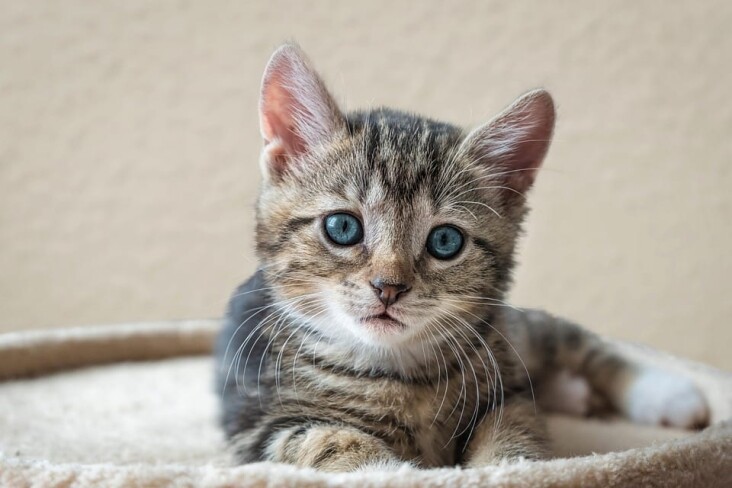
Caring for Your Domestic Shorthair: Essential Tips for Happy Pets
Domestic Shorthairs (DSH) are one of the most beloved cat breeds worldwide, known not just for their short, easy-to-maintain fur, but also for their charming personalities and adaptability. In this article, we’ll explore everything you need to know about caring for your Domestic Shorthair, from their background to their psychological benefits as emotional support animals (ESAs).
Overview of Domestic Shorthairs
History and Background
The Domestic Shorthair is not a specific breed but rather a category encompassing various mixed-breed cats with short hair. Their origins can be traced back thousands of years to the domestication of wild cats around fertile regions of the world. Throughout history, these versatile cats have played critical roles as pest controllers—hunting rodents in barns and homes alike.
Temperament and Personality Traits
Domestic Shorthairs are renowned for their friendly and easygoing demeanor. They often exhibit a deep sense of curiosity and intelligence, making them well-suited to family life. Here are some personality traits commonly associated with DSH cats:
- Affectionate: Most Domestic Shorthairs enjoy human companionship and thrive in family settings.
- Playful: They are known for their playful nature and will often engage in games throughout the day.
- Independent: While they enjoy interaction, they are also content to entertain themselves, making them low-maintenance pets.
Grooming Needs
Caring for a Domestic Shorthair is relatively straightforward. Their short coats require minimal grooming—just a weekly brush to remove loose hairs and prevent hairballs. Bathing is rarely necessary unless they get into something particularly messy.
Health Considerations
Like any pet, Domestic Shorthairs can be prone to specific health issues—obesity, dental diseases, and certain genetic conditions. Regular vet check-ups, a balanced diet, and adequate exercise are crucial for keeping your DSH healthy.
Suitability for Different Households
Whether you live alone, with a partner, or in a bustling family with kids, DSH cats are versatile. They typically adapt well to various living situations, including apartments and houses. They are known to get along well with other pets, including dogs, depending on their socialization.
Essential Tips for Training, Socializing, and Caring
Training
Training your Domestic Shorthair can be a rewarding experience. Although they may not fetch like dogs, you can teach them several tricks:
- Litter Box Training: Most DSH cats instinctively know how to use the litter box.
- Clicker Training: Use a clicker to reinforce good behavior. Reward your cat with treats when they do something you want them to repeat.
- Basic Commands: Teach simple commands like “sit” or “come” through positive reinforcement.
Socializing
Socialization should begin early, ideally when your DSH is a kitten. Expose them to various environments, people, and pets to encourage a well-rounded personality. Continually engage them in social activities, such as interactive play or inviting friends over.
Caring
- Nutrition: Feed your DSH high-quality cat food that meets their dietary needs. Consider consulting with your vet for personalized dietary advice.
- Exercise: Regular play keeps your cat fit and mentally stimulated. Use toys, such as feather wands or laser pointers, to encourage activity.
- Regular Check-ups: Schedule annual veterinary visits to monitor their health.
What is an emotional support animal (ESA)?
An Emotional Support Animal is a pet that provides comfort and companionship to individuals facing emotional or psychological challenges. Unlike service animals that are trained to perform specific tasks for a person with a disability, ESAs are primarily there to offer emotional support through their presence.
Benefits of Designating Your Pet as an ESA
People can experience significant benefits from having an ESA. Here are some of these advantages:
- Reduced Anxiety: Pets often help individuals manage anxiety levels due to their calming presence.
- Increased Comfort: The companionship of an animal can create feelings of security and ease loneliness.
- Emotional Connection: Having a pet fosters an emotional bond, helping individuals cope with stress or depression.
Real-World Examples
Many individuals find solace in their pets during tough times. For instance, someone coping with the loss of a loved one may find comfort in a cat’s cuddly presence, which can help to alleviate feelings of loneliness. In another case, a person with PTSD might rely on their Domestic Shorthair for emotional stability when triggered by memories or stressors.
Key Information
- Domestic Shorthairs are friendly, playful, and low-maintenance cats.
- Regular grooming and vet check-ups are essential for their health.
- They are well-suited for different household types.
- Training and socialization are important for a well-adjusted pet.
- Emotional Support Animals provide mental and emotional health benefits.
- Pets can help reduce anxiety, loneliness, and depression.
How Dogs and Cats Provide Emotional Support
The science behind the emotional benefits of having pets lies in their ability to reduce stress, lower blood pressure, and release oxytocin—often referred to as the “love hormone.” When you cuddle or play with your DSH, your brain releases endorphins, which can elevate your mood and decrease anxiety.
The Psychology Behind Emotional Support
Being responsible for an animal can also foster a sense of purpose and drive. Caring for your Domestic Shorthair may help you maintain a routine, which is often beneficial for emotional health.
FAQs About Emotional Support Animals
-
What is the difference between an ESA and a service animal?
Service animals are trained to perform specific tasks for individuals with disabilities, while ESAs provide emotional support but are not trained for specific tasks. -
Can any pet be an ESA?
Yes, many types of animals can be considered ESAs, but cats and dogs are the most common. -
Can I take my ESA anywhere?
ESAs do not have the same rights as service animals in public places unless allowed by the establishment. -
Do I need a letter to qualify my pet as an ESA?
Yes, having a letter from a licensed mental health professional stating the need for an ESA can help you qualify. -
Are there any breed restrictions for ESAs?
Generally, there are no breed restrictions, but responsible ownership and training are encouraged. -
Will my landlord accept my ESA?
Under the Fair Housing Act, landlords are required to consider ESAs, but they may need documentation. -
How can I get my pet certified as an ESA?
You can connect with a licensed mental health professional to assess your needs and obtain documentation. -
What should I do if my ESA is unwell or difficult to care for?
Consult with a veterinarian or consider seeking help from animal behaviorists to address any issues. -
Will I need to pay additional fees to have an ESA in my apartment?
Some landlords may charge additional fees, but they cannot charge a pet deposit for an ESA under the Fair Housing Act. -
Can I travel with my ESA?
Airlines have specific rules about ESAs, so check with your airline ahead of time for their policies.
Conclusion
Caring for a Domestic Shorthair can be a life-enhancing experience, providing companionship and joy while also helping to manage emotional needs. If you believe your DSH could serve as an Emotional Support Animal, consider getting certified through a trusted source.
For pet owners looking for a certified ESA experience, Veripaw.org is an excellent resource. Since 2012, Veripaw has been assisting pet owners in connecting with licensed mental health professionals, obtaining ESA documentation, and accessing high-quality pet accessories. Don’t wait—see how your furry friend can enhance your emotional well-being today!

