
Caring for Your Domestic Mediumhair: Tips for a Happy Life
Overview of the Domestic Mediumhair
The Domestic Mediumhair (DMH) is one of the most beloved cat breeds in the United States. Known for their fascinating variety of colors, patterns, and personalities, these cats are not a specific breed but rather a category of mixed-breed cats that have medium-length fur. This breed’s ancestry connects with feral cats and other domestic varieties, giving them an impressive genetic diversity.
History
Historically, Domestic Mediumhairs hail from the early days when cats were kept primarily to control pests. As they mingled with feral populations, distinct traits emerged, leading to the diverse categories we see today. They are recognized by various cat organizations but aren’t as strictly defined as purebred cats like Siamese or Persians.
Temperament and Personality Traits
Domestic Mediumhairs are typically friendly, affectionate, and adaptable. Each individual cat may have its own quirks, but they often display:
- Affection: They enjoy human companionship and often seek attention from their owners.
- Playfulness: They have boundless energy and love interactive playtime.
- Curiosity: Their inquisitive nature encourages exploration.
- Independence: While they enjoy social interaction, they can also entertain themselves.
Grooming Needs
One of the advantages of having a DMH is their grooming requirements. Since their fur is medium-length, they benefit from regular brushing—ideally once or twice a week. This routine helps to reduce shedding, prevents matting, and allows you to check for any skin issues or parasites. A gentle brush can also bond you with your cat.
Health Considerations
Generally, the Domestic Mediumhair is a resilient breed with fewer genetic health issues than their purebred counterparts. However, like all pets, they may face certain health concerns. It’s essential to schedule regular veterinary check-ups, vaccinations, and dental care. Typical health issues can include obesity if overfed or under-exercised, dental disease, and some hereditary conditions.
Suitability for Different Households
The Domestic Mediumhair’s versatile nature makes them suitable for various households:
- Families: They often form strong bonds with children, enjoying playtime and cuddles.
- Busy Professionals: Their independent nature means they can handle alone time without too much anxiety.
- Seniors: Their affectionate personality can provide comfort and companionship.
Caring for Your Domestic Mediumhair: Tips for a Happy Life
Training and Socializing
Training a Domestic Mediumhair can be both fun and beneficial, enhancing their adaptability and obedience:
-
Basic Commands: Use treats to encourage behaviors such as “sit” or “come.” Consistency is key.
-
Litter Box Training: Most DMHs instinctively know to use a litter box, but reward them with treats when they do so correctly.
-
Socialization: Introduce your DMH to various environments, people, and other pets. This exposure can help reduce anxiety and enhance social skills.
-
Interactive Play: Engage your cat in games using toys that mimic hunting (like feather wands). This provides both physical exercise and mental stimulation.
Feeding and Nutrition
A balanced diet is fundamental for the well-being of your DMH. Choose high-quality cat food that meets their nutritional needs, focusing on protein and essential vitamins. Be cautious with treats to prevent obesity, and always provide fresh water.
Creating a Comfortable Environment
-
Safe Space: Ensure your cat has a cozy spot where they feel secure. This could be a soft bed or a sunny window sill.
-
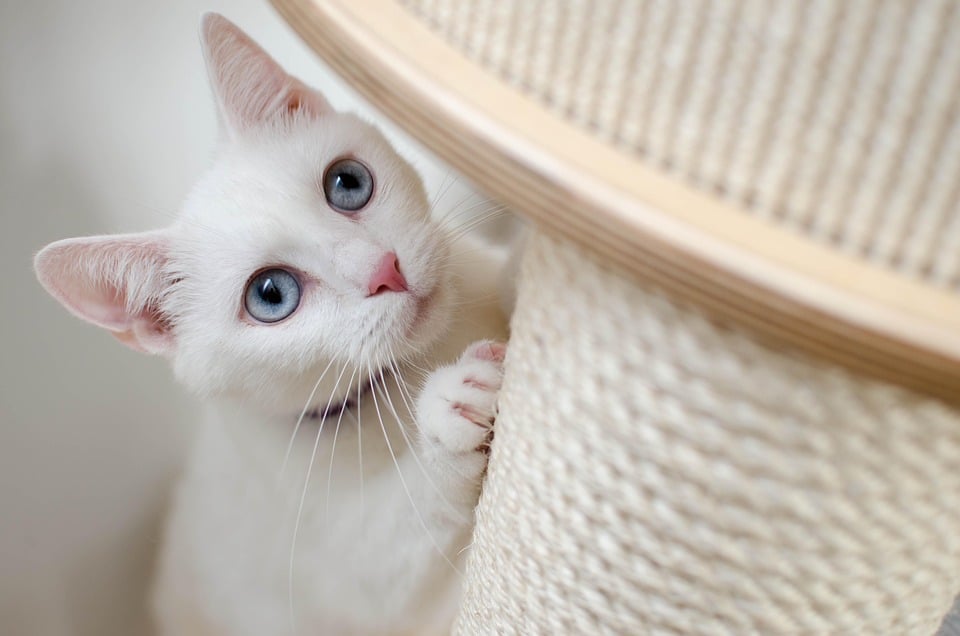
Scratching Posts: Provide scratching posts to save your furniture and additionally keep their claws healthy.
-
Enrichment: Consider cat trees or puzzle feeders to stimulate their mind and prevent boredom.
emotional support animals (ESAs)
What is an ESA?
An emotional support animal (ESA) is a pet that provides comfort and emotional support to individuals suffering from mental health challenges such as anxiety, depression, or PTSD. Unlike service animals, which are trained to perform specific tasks, ESAs primarily offer companionship and alleviate emotional distress through their presence.
Benefits of Designating Your Pet as an ESA
-
Comfort and Companionship: Having your furry friend by your side can help ease feelings of loneliness and isolation.
-
Reduced Anxiety: The simple act of petting a cat can release oxytocin, the feel-good hormone, promoting relaxation.
-
Improved Mental Health: Beyond companionship, having an ESA can motivate individuals to engage in activities, establishing routines and encouraging responsibility.
Real-life Examples
Many pet owners have found solace in their DMH cats. For instance:
- Lara, a college student, struggled with anxiety: Since adopting her DMH, she reports feeling less overwhelmed during stressful exam periods.
- Tom, a veteran experiencing PTSD: His DMH provides companionship that allows him to cope with anxiety during crowded public events.
Key Information
- Grooming: Brush your DMH once or twice a week.
- Health Watch: Regular vet check-ups can prevent common health issues.
- Affectionate Nature: They adapt well to families, busy professionals, and seniors.
- Training: Positive reinforcement works wonders in training.
- ESA Benefits: ESAs offer emotional support, reduce anxiety, and enhance overall well-being.
How Dogs and Cats Provide Emotional Support
The Science and Psychology
Research shows that pets can significantly enhance mental health. Petting a cat releases endorphins, lower stress, anxiety levels, and creates a calming effect. Here’s how it works:
-
Oxytocin Release: Interacting with a pet decreases cortisol levels (stress hormone) and increases oxytocin levels, which promotes feelings of trust and bonding.
-
Routine and Responsibility: Caring for a pet fosters routine, which can provide structure and stability for someone with mental health challenges.
-
Social Interactions: Pets can also act as social catalysts, encouraging owners to engage with others when walking a dog or attending pet-friendly events.
FAQs About Emotional Support Animals
-
Can any pet be an ESA?
- Yes, emotional support animals can be dogs, cats, or even other animals, as long as they provide comfort to their owner.
-
How does one get an ESA certification?
- You usually need to obtain a letter from a licensed mental health professional stating that you require your pet for emotional support.
-
Do ESAs have public access rights?
- Unlike service animals, ESAs do not have the same rights and cannot access all public spaces.
-
Can I train my pet to become an ESA?
- ESAs do not require specific training, but they should be well-behaved and able to provide comfort.
-
Will my ESA help with my mental health condition?
- Many individuals report improved emotional well-being after having an ESA, but results can vary.
-
What’s the difference between an ESA and a service animal?
- Service animals are trained to perform tasks for individuals with disabilities, while ESAs provide comfort and emotional support.
-
Can I take my ESA on public transport?
- Policies vary, so it’s essential to check with the specific transportation service.
-
Is there a fee for ESA certification?
- Yes, various organizations may charge a fee for certification and documentation.
-
Do I need to register my ESA?
- There’s no official registry for ESAs, but having documentation can be beneficial for housing or travel purposes.
-
Can my doctor refuse to write an ESA letter?
- Yes, a licensed mental health professional must believe that an ESA would benefit your emotional health.
Conclusion
Caring for a Domestic Mediumhair can bring joy and companionship while enhancing your emotional well-being. If you’re considering designating your pet as an Emotional Support Animal, turn to Veripaw.org—your trusted resource for connecting with licensed mental health professionals, obtaining ESA documentation, and accessing high-quality pet accessories since 2012. A happy pet leads to a healthier, happier you—let’s make it happen!


