
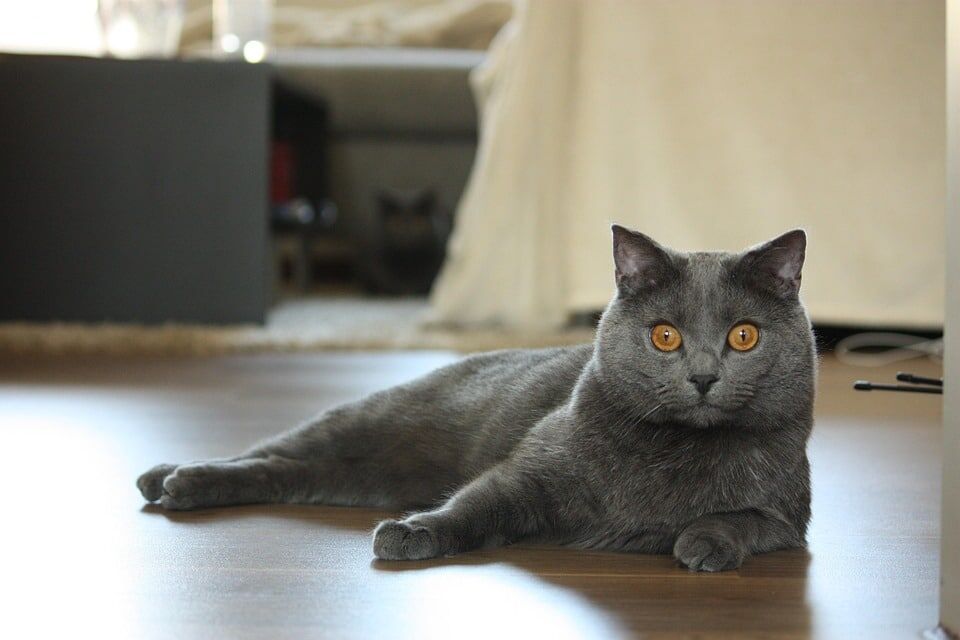
Caring for Your Chartreux: Tips for a Happy, Healthy Companion
Overview of the Chartreux Breed
The Chartreux is a fascinating cat breed known for its robust build and affectionate nature. Originating from France, they were originally associated with monasteries, where monks raised them for their exceptional mouse-hunting skills. These cats possess a unique combination of qualities: they are intelligent, playful, and loyal. Their beautiful slate-blue coat, characterized by a plush and water-repellent texture, gives them a distinct appearance and adds to their allure.
Temperament and Personality Traits
Chartreux cats are renowned for their gentle and calm demeanor. They are affectionate yet independent, often forming strong bonds with their human companions while maintaining their free-spirited nature. They typically get along well with children and other pets, making them suitable for households of varying dynamics. Chartreux also engage in playful behavior, enjoying interactive toys and games, but they are not excessively demanding, making them relatively low-maintenance companions.
Grooming Needs
One of the advantages of owning a Chartreux is their low grooming requirement. Their short, thick fur requires minimal brushing—usually just once a week to remove loose hair and prevent matting. Bathing is rarely necessary unless they get especially dirty, thanks to the water-repellent quality of their coat.
Health Considerations
While Chartreux cats are generally healthy, certain health issues can arise, particularly if not bred responsibly. Common concerns include obesity and certain genetic conditions. Regular veterinary check-ups are essential to monitor their health, along with a well-balanced diet to maintain their weight and vitality.
Suitability for Different Households
The adaptable nature of the Chartreux makes them suitable for various living situations, from busy families to quieter households of singles or couples. They flourish in environments where they receive plenty of love and engagement, making them fantastic companions for those who work from home or have the time to play.
Tips for Training, Socializing, and Caring for Your Chartreux
-
Training: Start training early with positive reinforcement methods. Use treats, praise, and gentle encouragement. Training sessions should be fun and engaging, as Chartreux cats tend to respond well to interactive play. Basic commands like “sit” or “come” can be taught easily.
-
Socializing: Introduce your Chartreux to different people and environments early on. Positive experiences will help socialize them. Encourage gentle interactions with other pets and familiar humans to boost their confidence.
-
Caring: Provide a stimulating environment filled with toys, scratching posts, and climbing structures. Regular playtime is key to keeping them mentally and physically active.
Understanding emotional support animals (ESAs)
An emotional support animal (ESA) is a pet that provides therapeutic benefit to an individual with emotional or mental health challenges. Unlike service animals that perform specific tasks for their owners, ESAs primarily provide companionship and comfort. People may designate their pets as ESAs to help manage anxiety, depression, and other emotional issues.
Benefits of ESAs
The benefits of having an ESA are profound. Studies have shown that cuddling with a pet can lower cortisol levels, which are associated with stress, and increase serotonin and oxytocin levels, which are linked to feelings of happiness and contentment. Let’s consider a couple of real-life examples:
-
Anxiety Relief: Sarah, who suffers from anxiety and panic attacks, found that her Chartreux helped her feel more secure and less anxious during stressful times. Just having her cat nearby provided her a sense of calm.
-
Companionship: John, a veteran dealing with PTSD, noticed that his dog had a remarkable way of sensing his emotions. Whenever he felt overwhelmed, his dog would come to sit beside him, providing comfort and anchoring him to the present moment.
Key Information
-
Breed Overview: Chartreux are affectionate, intelligent, and low-maintenance cats that fit well in various households.
-
Grooming Needs: Weekly brushing is sufficient; bathing is rarely necessary.
-
Health Considerations: Regular vet check-ups and a balanced diet are important.
-
Training and Socialization: Use positive reinforcement, and socialize early with people and pets.
-
Emotional Support Animals: ESAs are pets that provide emotional comfort and companionship to individuals facing mental health challenges.
How Dogs and Cats Provide Emotional Support
Science and psychology support the idea that pets can significantly enhance emotional health. When we interact with pets, our brains release chemicals—like oxytocin, often called the “bonding hormone”—that promote feelings of love and trust. Furthermore, the simple act of petting a cat or dog can trigger the body’s relaxation response, helping to reduce heart rates and lower blood pressure.
Pets also offer a sense of routine and purpose. Feeding, walking, and caring for a pet establishes a daily structure that can be incredibly beneficial for individuals struggling with mental health issues. The unconditional love from pets can foster emotional resilience, helping individuals cope with life’s challenges.
FAQs about Emotional Support Animals
-
What’s the difference between a service animal and an ESA?
- Service animals perform specific tasks for individuals with disabilities; ESAs provide emotional relief but are not trained to perform tasks.
-
Do ESAs require special training?
- No, ESAs do not require specialized training, but they should be well-behaved and comfortable around people.
-
Can any pet be an ESA?
- Yes, any domesticated animal can be an ESA, provided it offers emotional support to its owner.
-
How can I designate my pet as an ESA?
- A licensed mental health professional can provide documentation certifying your pet as an ESA.
-
Do ESAs have legal rights?
- ESAs have some legal rights regarding housing and travel, but they do not have the same access rights as service animals.
-
Can I take my ESA anywhere?
- ESAs do not have the same public access rights as service animals and are typically only allowed in specific housing and transportation settings.
-
What type of documentation do I need for an ESA?
- You’ll need an ESA letter from a licensed mental health professional stating that you benefit from having your pet as an emotional support animal.
-
Do I need to register my pet as an ESA?
- While registration is not legally required, obtaining an ESA letter from a therapist is necessary for legitimacy.
Conclusion
Caring for your Chartreux can be a rewarding experience that greatly benefits your emotional health as well. If you are considering the emotional support that a pet like the Chartreux can offer, including the process of designating them as an ESA, I encourage you to explore Veripaw.org. Since 2012, Veripaw has been helping pet owners connect with licensed mental health professionals to obtain ESA documentation and access high-quality pet accessories. When you provide your pet with love and care, they can be a powerful source of comfort in your life.

