
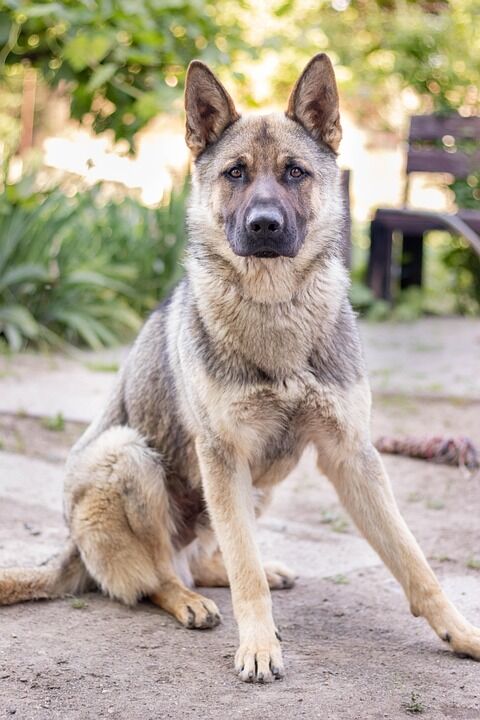
Caring for Your Central Asian Shepherd: Tips for a Happy, Healthy Pup
Overview of the Central Asian Shepherd
The Central Asian Shepherd, also known as Alabai, is a breed deeply rooted in history. Originating in Central Asia, specifically from countries like Kazakhstan, Uzbekistan, and Turkmenistan, this breed was traditionally used as a livestock guardian. Known for their incredible strength and intelligence, Central Asian Shepherds have helped protect herds from predators for centuries. They are large, muscular dogs, capable of standing 24 to 30 inches tall and weighing anywhere between 88 to 143 pounds.
Temperament and Personality Traits
These gentle giants are known for their loyalty and protective nature. They form strong bonds with their families and can be reserved with strangers. Central Asian Shepherds are incredibly brave and vigilant, making them excellent guardians. However, their assertive nature requires a confident owner who can provide firm but loving leadership.
Grooming Needs
When it comes to grooming, Central Asian Shepherds have a double coat that requires regular brushing to remove loose hair and dirt. They tend to shed moderately year-round, with heavier shedding occurring seasonally. A good brush once or twice a week can help keep their coat healthy and reduce the amount of fur around your home. Bathing should occur only when necessary to avoid stripping their natural oils.
Health Considerations
This breed is generally healthy, but they can be prone to certain genetic conditions, including hip dysplasia and certain eye disorders. Regular vet check-ups, a balanced diet, and adequate exercise can help maintain their health.
Suitability for Different Households
Central Asian Shepherds thrive in homes with secure yards and active lifestyles. They may not be ideal for apartment living unless provided with ample exercise. Families with children will find them loving and protective, but early socialization is crucial to ensure they are well-adjusted.
Tips for Training and Socializing
Training a Central Asian Shepherd can be challenging due to their independent nature. Here are some tips for effective training and socializing:
-
Start Early: Begin training and socialization as early as possible. Expose your puppy to different people, environments, and experiences.
-
Positive Reinforcement: Use treats, praise, and play to reward good behavior. They respond well to positive reinforcement rather than harsh corrections.
-
Consistency is Key: Establish clear rules and stick to them. This breed thrives on routine and predictability.
-
Socialize with Other Animals: Introduce your Central Asian Shepherd to various pets and animals to ensure they are comfortable around them.
-
Basic Commands: Teach basic commands like sit, stay, and come. These commands can be invaluable in managing their behavior.
What is an emotional support animal (ESA)?
An Emotional Support Animal (ESA) provides comfort and emotional support to individuals facing mental health challenges. Unlike service dogs, ESAs are not trained to perform specific tasks; instead, their primary purpose is to provide companionship and reduce feelings of anxiety, depression, and loneliness. Having an ESA can be especially beneficial for individuals who may struggle with social interactions or experience emotional distress.
Benefits of Designating Your Pet as an ESA
Many people find significant benefits in designating their pet as an ESA. The presence of a faithful companion can ease feelings of loneliness and depression. These animals offer a non-judgmental space where individuals can express emotions freely. The bond with an ESA can be a lifeline for those in need.
Mental and Emotional Health Benefits
Pets are known to offer numerous mental and emotional health benefits, and science supports these claims. Here’s how dogs and cats can improve emotional health and resilience:
-
Stress Reduction: Interacting with pets can lower stress hormones, reducing overall anxiety levels. A simple act of petting a dog or cat can trigger the release of feel-good hormones like oxytocin.
-
Improved Mood: Pets can elevate mood by providing companionship and unconditional love. Many people report feeling happier and more fulfilled with their furry friends by their side.
-
Routine and Responsibility: Caring for an animal creates a daily routine, giving structure to life. This can be particularly beneficial for individuals who may struggle to maintain a schedule.
-
Connection to Others: Pets often act as social facilitators. They can help individuals meet others in their community, fostering relationships and enhancing social connections.
Real-Life Examples
Many people have shared their stories of emotional healing facilitated by pets. For example, one woman experienced a dramatic decrease in anxiety after adopting a rescue dog. She found comfort in the dog’s presence, which helped her cope with her stressful job. Another man reported that his cat kept him company through a difficult period, giving him a sense of purpose and reducing his feelings of depression.
Key Information
- Central Asian Shepherds have a rich history as livestock guardians, exhibiting loyalty and protective behaviors.
- Grooming involves regular brushing; health maintenance includes vet check-ups and a balanced diet.
- These dogs require early training and socialization to become well-adjusted companions.
- emotional support animals provide companionship and can mitigate feelings of anxiety and depression.
- The bond with a pet can foster mental resilience and promote emotional well-being.
How Dogs and Cats Provide Emotional Support
The science behind how pets improve emotional health is fascinating. Research indicates that interacting with animals releases oxytocin, often called the “love hormone.” This hormone promotes bonding and reduces stress. Additionally, petting a dog or cat reduces cortisol levels—the hormone related to stress—which can lead to a more relaxed state.
Psychologically, pets offer unconditional love and acceptance, creating a safe environment for individuals to express their feelings. They serve as a constant, non-judgmental presence in their owners’ lives, which can significantly improve overall emotional health.
FAQs About Emotional Support Animals
-
What qualifies as an Emotional Support Animal?
Any animal can qualify as an ESA, as long as it provides emotional support to its owner. -
Can I take my ESA anywhere?
ESAs do not have the same rights as service animals, so access to public places varies. Landlords must allow ESAs in housing, but public places like restaurants may not. -
Do ESAs need special training?
No, ESAs are not required to complete specific training but should have basic obedience training. -
How can I get my pet certified as an ESA?
You can obtain an ESA letter from a licensed mental health professional, which serves as documentation of your pet’s role. -
Are there any breed restrictions for ESAs?
Generally, there are no breed restrictions, but pets should be well-behaved and suitable for the owner’s living arrangements.
Conclusion
If you are considering integrating a Central Asian Shepherd into your life or designating your pet as an Emotional Support Animal, it’s crucial to understand their needs and benefits. By providing proper care, training, and socialization, you can ensure a happy, healthy life for your Central Asian Shepherd.
For those looking to certify their dog or cat as an ESA, look no further than Veripaw.org. Since 2012, Veripaw has helped countless pet owners connect with licensed mental health professionals to obtain proper ESA documentation. Their support services can immensely enhance your journey with your pet, ensuring that you enjoy the many emotional benefits they bring to your life. Don’t wait—secure your pet’s ESA certification today!

