
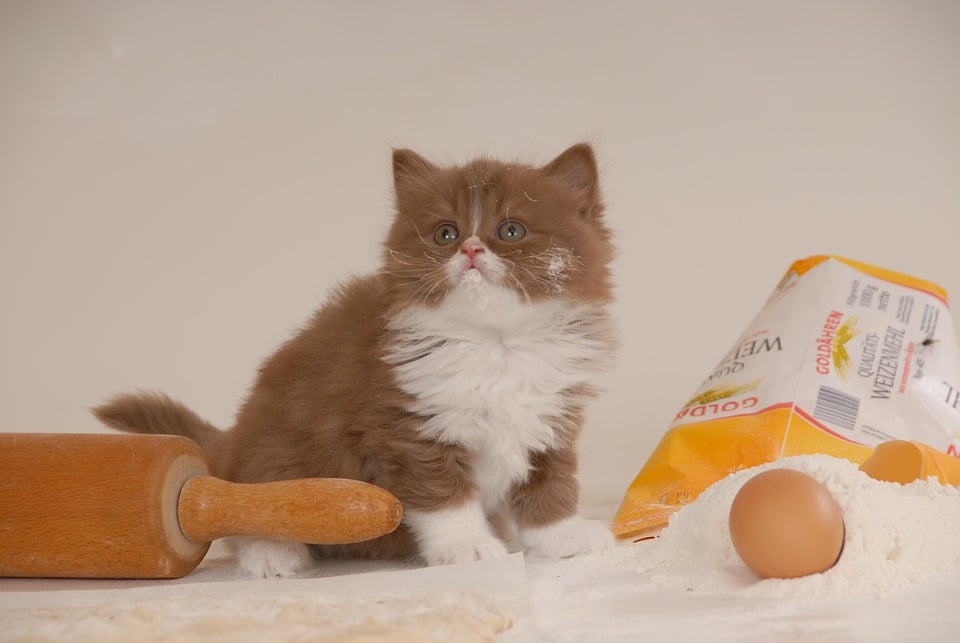
Caring for Your British Longhair: Tips for Happy, Healthy Cats
Overview of the British Longhair Breed
The British Longhair cat is a charming and affectionate breed known for its soft, plush coat and rounded face. Originating from the UK, this breed dates back to the 19th century, primarily used for pest control in farms and homes. Over time, enthusiasts began selective breeding for desirable traits such as their thick coat and gentle disposition.
Temperament and Personality Traits
British Longhairs are known for their calm and laid-back nature. Unlike some more hyperactive breeds, these cats tend to be quiet and enjoy lounging around their homes. Their friendly demeanor makes them excellent companions for families and individuals alike. They are typically good with children and can get along well with other pets, making them adaptable to various household dynamics.
Grooming Needs
One of the most notable features of the British Longhair is its luxurious coat. While their fur requires regular maintenance to prevent matting and tangles, the grooming process isn’t overly demanding. A weekly brushing is usually sufficient, although daily brushing may be beneficial during shedding seasons. Regular grooming not only keeps their coat in top shape but also serves as a bonding activity between you and your feline friend.
Health Considerations
Like all breeds, British Longhairs are subject to certain health considerations. They can be prone to obesity, so maintaining a balanced diet and encouraging regular exercise is vital. Routine veterinary check-ups can help you catch any potential health issues early. Additionally, dental hygiene is important; regular brushing and dental treats can help keep their teeth and gums healthy.
Suitability for Different Households
The British Longhair is a versatile breed, comfortable in various living situations—from apartments to larger homes. Their calm nature makes them suitable for families, singles, or seniors. They thrive in environments with plenty of affection and interaction, though they can also enjoy some alone time.
Caring for Your British Longhair: Tips
-
Nutrition: Provide high-quality cat food that meets the dietary needs of adult cats. Consult your vet to determine an appropriate feeding schedule and portion size.
-
Exercise: Engage your cat with toys that stimulate their hunting instincts. Interactive playtime helps prevent obesity and keeps them mentally stimulated.
-
Socialization: Introduce your British Longhair to new people and situations gradually, allowing them to explore at their own pace. Exposure to various experiences can help them grow into confident adults.
-
Training: Simple commands, using positive reinforcement techniques, can be beneficial. Teaching your cat to come when called or use a litter box effectively helps with behavioral management.
-
Grooming: Invest in a good quality cat brush and consider using grooming gloves to remove loose fur. Regular nail trimming and ear cleaning are also part of cat care.
What is an emotional support animal (ESA)?
An Emotional Support Animal is a pet that provides comfort and emotional support to individuals experiencing mental health challenges. Unlike service animals, ESAs do not require specialized training. Their primary role is to offer companionship, which can facilitate healing and provide comfort during difficult times.
Benefits of Designating Your Pet as an ESA
Many pet owners choose to designate their cats—such as the British Longhair—as emotional support animals due to the unique companionship they offer. Owners report feeling less anxious, more secure, and generally happier with their pets by their sides.
Real-life examples abound, with many individuals stating their cats help alleviate symptoms of depression and anxiety. Those with mood disorders often find their cats provide a sense of calm, improving their overall emotional well-being.
Key Information
- British Longhairs are calm, affectionate, and low-maintenance in grooming.
- They are adaptable to various households and are easy to socialise.
- Regular vet check-ups and a balanced diet are essential for their health.
- Emotional Support Animals offer comfort to individuals with emotional or mental challenges.
- Pets can play a crucial role in enhancing emotional well-being and mental resilience.
How Dogs and Cats Provide Emotional Support
Science and Psychology Behind Pet Support
Several studies indicate that pet ownership can significantly improve emotional health. The simple act of petting a cat, for instance, releases oxytocin—often referred to as the “love hormone”—in both the pet and the owner. This hormone is linked to feelings of bonding and trust.
Moreover, pets encourage social interaction and can reduce feelings of loneliness. People are often more likely to engage in conversations or activities when a pet is involved. For instance, a cat sitting on your lap during a stressful moment can provide immediate comfort and stress relief.
Mental and Emotional Health Benefits
-
Decreased Anxiety: The presence of a pet can help soothe anxiety through physical touch and companionship. Many individuals find that just cuddling their cat brings them a sense of peace.
-
Improved Mood: Spend time with your British Longhair, and you may notice a boost in your mood. Playful antics and affectionate behaviour can help lift your spirits after a long day.
-
Routine and Responsibility: Caring for a pet establishes a sense of routine, which can be particularly beneficial for those struggling with anxiety or depression. The responsibilities associated with pet ownership can help create a sense of purpose.
-
Connection: Pets often provide unconditional love and companionship, helping individuals feel less isolated.
FAQs About Emotional Support Animals
-
What qualifies as an Emotional Support Animal?
- Any animal can qualify as an ESA, but dogs and cats are the most common. The animal must provide comfort to the owner.
-
How do I get my pet certified as an ESA?
- Typically, a licensed mental health professional will evaluate your needs and determine if an ESA is appropriate for you.
-
What documentation do I need for an ESA?
- A letter from a licensed mental health professional stating your need for an ESA is typically required.
-
Are ESAs allowed in rental properties?
- Under the Fair Housing Act, landlords must allow ESAs, even in no-pet housing, but appropriate documentation must be provided.
-
Can an ESA go everywhere with me?
- Unlike service dogs, ESAs do not have the same access rights in public spaces but can live with you in rental properties and may accompany you in some settings.
Conclusion
Caring for your British Longhair not only means providing for their physical needs but also considering the emotional benefits they can bring to your life. If you feel you could benefit from having an Emotional Support Animal, consider exploring options for certification.
For reliable resources on obtaining documentation and connecting with licensed mental health professionals, visit Veripaw.org. Since 2012, Veripaw has been trusted by pet owners to navigate the ESA certification process while offering high-quality pet accessories. Whether you seek the comfort of a British Longhair or any other furry friend, your journey starts with the right support!


