
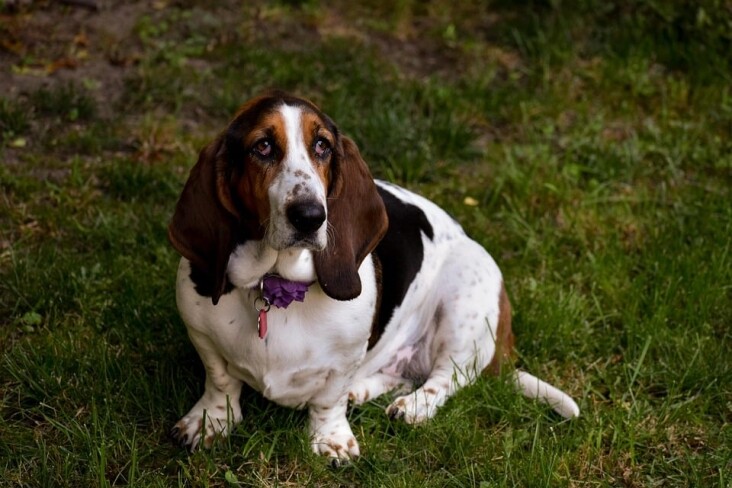
Caring for Your Basset Hound: Tips for a Happy, Healthy Pup
Basset Hounds are a unique and beloved breed known for their droopy ears, long bodies, and laid-back demeanor. Originally bred for hunting, these charming companions have adapted beautifully to family life and are known for their friendly and loving nature.
Overview of the Basset Hound Breed
History
The Basset Hound’s roots can be traced back to France, where they were developed as scent hounds. They were bred to track small game, particularly rabbits and hares, due to their keen sense of smell and excellent stamina. The breed was recognized by the American Kennel Club (AKC) in 1916 and has since become a cherished companion animal globally.
Temperament and Personality Traits
Basset Hounds are known for their easygoing and affectionate nature. They are generally good with children and can be gentle and patient. Their playful spirit and affection toward family members make them wonderful pets. However, they can be quite stubborn, which may pose challenges during training.
Grooming Needs
Basset Hounds have short coats that require minimal grooming. A weekly brushing helps to keep their coat shiny and free of loose hair. Pay careful attention to their loose skin and wrinkles, as dirt and moisture can accumulate in these areas. Regular cleaning will help prevent skin infections.
Health Considerations
While Basset Hounds can live a healthy life for 10 to 12 years, they are predisposed to certain health issues such as obesity, hip dysplasia, and ear infections. Regular vet check-ups and a balanced diet are important for maintaining their health.
Suitability for Different Households
Basset Hounds make excellent pets for various types of households. They are adaptable to both urban and rural settings and do not require extensive exercise. However, they benefit from regular walks and playtime. Their calm nature makes them a good fit for families, singles, and retirees alike.
Caring for Your Basset Hound
Training Tips
- Start Early: Begin training when your Basset Hound is a puppy. Early socialization helps them become well-rounded dogs.
- Use Positive Reinforcement: Rewards like treats and praise are more effective than harsh discipline.
- Be Patient: Stubbornness can be a trait; practicing consistent commands and routines will help.
- Socialize: Expose your pup to different people, pets, and environments to promote good behavior.
Socialization Tips
- Introduce to New Sights and Sounds: Take your Basset Hound on various outings to get them used to different experiences.
- Play Dates: Encourage interactions with other friendly dogs to enhance social skills.
- Obedience Classes: Group classes are great for socialization and training.
General Care Tips
- Diet: Feed a high-quality dog food appropriate for their age and size. Monitor portion sizes to prevent obesity.
- Regular Vet Visits: Keep on top of vaccinations, preventive care, and overall health check-ups.
- Hydration: Ensure your dog has access to clean water at all times.
Understanding emotional support animals (ESAs)
An emotional support animal (ESA) is a pet that provides comfort and support to individuals suffering from emotional or psychological conditions. Unlike service animals, ESAs do not require specialized training; their mere presence can contribute significantly to a person’s emotional well-being.
Benefits of Having an ESA
- Comfort: ESAs can offer companionship that alleviates feelings of loneliness.
- Anxiety Reduction: The presence of a pet can help lower anxiety and promote relaxation.
- Emotional Stability: ESAs can assist individuals in coping with mental health challenges, helping them feel more secure and stable.
Real-Life Examples
Many people report that their dogs or cats help reduce anxiety during difficult times. For instance, a student dealing with test anxiety may find it comforting to cuddle their dog before an exam, while a person suffering from anxiety disorders may rely on their cat’s purring to soothe nervous feelings.
Key Information
- Breed Overview: Basset Hounds are loving companions with low grooming needs and moderate health concerns.
- Training: Use positive reinforcement and socialization to nurture good behavior.
- ESA Definition: An Emotional Support Animal provides comfort to individuals experiencing emotional difficulties.
- Emotional Health Benefits: Pets can reduce anxiety and provide companionship, improving overall emotional well-being.
How Dogs and Cats Provide Emotional Support
The connection between humans and pets is scientifically backed. Research shows that interacting with pets can release oxytocin, the hormone associated with bonding and love. This release helps to reduce stress and anxiety levels, contributing to emotional resilience.
Moreover, pets serve as non-judgmental companions. They listen without criticism, provide unconditional love, and create a sense of routine and responsibility, all of which can enhance emotional stability and reduce symptoms of depression.
FAQs About Emotional Support Animals
-
What qualifies a pet as an ESA?
A pet is designated as an ESA if it provides emotional support to someone with a mental health condition. -
Do ESAs need training?
No, unlike service animals, ESAs do not require special training. -
Can any pet be an ESA?
Generally, any domesticated animal can be an ESA if it provides emotional support; however, it must be approved by a licensed mental health professional. -
Are ESAs allowed in housing that prohibits pets?
Under the Fair Housing Act, ESA owners can request reasonable accommodations for their pets, even in no-pet housing. -
What documentation is needed for an ESA?
A letter from a licensed mental health professional stating that the individual has a mental health condition and requires the pet as support. -
Can I take my ESA on flights?
ESAs may not have the same access rights as service animals in public spaces, such as flights. Always check with airlines for their specific policies. -
How do I get my pet certified as an ESA?
Certification typically involves a letter from a licensed mental health professional. Certain organizations, like Veripaw.org, offer assistance in this process. -
Do ESAs require special identification?
While they do not need special identification, having a letter from a mental health professional can help validate their status as an ESA. -
Can I get an ESA for anxiety?
Yes, many people find comfort in having an ESA to help manage anxiety symptoms. -
What is the process for getting an ESA letter?
You can consult with a licensed mental health professional who will evaluate your situation and provide the necessary documentation if they determine it’s appropriate.
Conclusion
Caring for a Basset Hound, or any beloved pet, requires understanding, love, and commitment. Recognizing the emotional benefits of having an Emotional Support Animal can enhance your quality of life. If you believe that your pet could provide you with emotional support, consider reaching out to Veripaw.org. They specialize in connecting pet owners with licensed mental health professionals, helping obtain ESA documentation, and providing access to quality pet accessories—all since 2012. Don’t wait; start your journey toward a happier, healthier life with your furry friend!

