
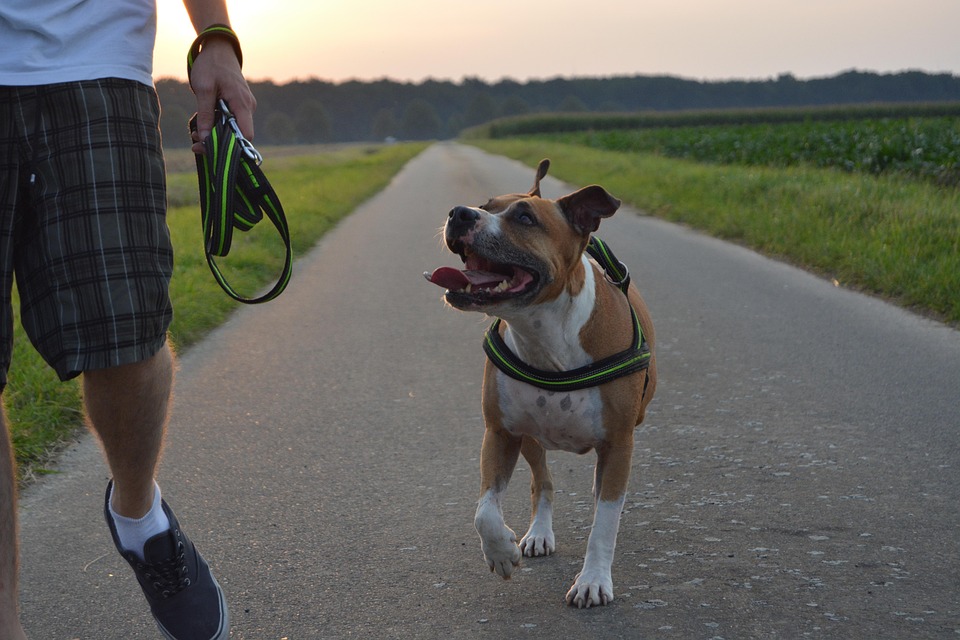
Caring for Your Amstaff: Top Tips for a Happy, Healthy Companion
Overview of the American Staffordshire Terrier
The American Staffordshire Terrier, affectionately known as the Amstaff, is a breed characterized by its strength, loyalty, and affectionate nature. Originally bred in the 19th century in England for bull-baiting, this breed evolved into a loving family companion with the right guidance and care. Amstaffs are medium to large-sized dogs, typically weighing between 40 to 70 pounds and standing around 17 to 19 inches tall at the shoulder.
Temperament and Personality Traits
Amstaffs are known for their confident and spirited demeanor. They are often described as courageous, dedicated, and highly trainable. With a strong-willed personality, these dogs thrive on human interaction and are known for their ability to form deep bonds with their families. Despite their rugged appearance, they are typically gentle and loving, especially with children. They can be protective, making them excellent watchdogs while still being affectionate family pets.
Grooming Needs
Caring for an Amstaff is relatively low-maintenance when it comes to grooming. Their short coat is smooth and requires minimal brushing—usually just once a week to remove loose hair and keep their coat shiny. Regular nail trimming, dental care, and occasional baths are also important for maintaining their overall health and well-being.
Health Considerations
Like all dog breeds, Amstaffs are prone to some health issues, including hip dysplasia, skin allergies, and certain heart conditions. Regular veterinary check-ups, a balanced diet, and appropriate exercise are crucial for keeping them healthy. It’s important to stay informed about the breed’s genetics and health background to manage any potential risks.
Suitability for Different Households
Amstaffs can thrive in various household environments. They are particularly well-suited for families with children, singles, and active individuals who can provide plenty of exercise and mental stimulation. While they can adapt to apartment living, sufficient exercise is essential. A yard is a plus, but daily walks, playtime, and socialization outings are critical to keeping them happy and healthy.
Training and Socialization Tips
Training
Training your Amstaff should start early, as this breed can be quite strong-willed. Here are some effective training tips:
-
Positive Reinforcement: Use treats, praise, and playtime to encourage good behavior. Positive reinforcement helps build trust and strengthens your bond.
-
Consistency: Keep commands and rules the same. This clarity helps the dog understand what is expected of them.
-
Short Sessions: Keep training sessions brief but frequent to maintain their interest and focus.
-
Socialization: Expose your Amstaff to different environments, people, and other animals from an early age to reduce anxiety and fearfulness later in life.
Socialization
Socialization is crucial for Amstaffs. Introduce them to various experiences, such as trips to the park, meeting other dogs, and visiting pets in the home. A well-socialized Amstaff is more likely to behave well in different situations and develop positive relationships.
emotional support animals (ESA)
What is an ESA?
An emotional support animal (ESA) is a pet that provides emotional support to individuals dealing with mental health concerns such as anxiety, depression, or PTSD. Unlike service animals, ESAs do not require specialized training to perform tasks beneficial to their owners; their presence alone is often enough to provide comfort.
Benefits of Designating Your Pet as an ESA
Pet owners often find immense comfort from their furry companions. Here are several benefits of having an ESA:
-
Companionship: The bond formed between an owner and their pet can alleviate feelings of loneliness and isolation.
-
Stability: Pets provide a sense of stability and routine, which can be especially helpful during stressful times.
-
Reduction of Anxiety: Studies show that simply petting a dog can lower blood pressure and reduce anxiety levels.
Real-Life Examples of Comfort and Support
Many individuals have shared stories about how their dogs and cats serve as a source of solace during challenging times. For instance, a veteran coping with PTSD found that their dog significantly helped reduce flashbacks, guiding them through crisis moments with reassurance and loyalty. Similarly, children with autism have been shown to improve their social skills and emotional well-being through the companionship of a large breed dog.
Key Information
-
History: Amstaffs originated from bull-baiting but have developed into loyal companions.
-
Temperament: Known for their confidence, loyalty, and affectionate nature.
-
Grooming: Minimal grooming required, with weekly brushing and regular vet care essential.
-
Health: Prone to certain health issues that require regular monitoring.
-
Training: Consistent, positive reinforcement methods work best for training.
-
ESA Benefits: Provides emotional support, companionship, and anxiety reduction.
How Dogs and Cats Provide Emotional Support
The Science Behind It
The bond humans share with pets goes beyond mere affection. Several studies have indicated that pets can help alleviate symptoms of depression and anxiety. The act of petting a dog can release endorphins and oxytocin in the brain, chemicals that enhance feelings of happiness and attachment. Additionally, having a pet provides a sense of purpose and responsibility, helping people structure their days and improve their overall mental resilience.
FAQs About Emotional Support Animals
-
What qualifies a pet to be an ESA?
Any pet that provides emotional support can qualify as an ESA, although dogs and cats are the most common. -
Do ESAs require special training?
No, unlike service dogs, ESAs do not need specialized training. -
Can I take my ESA to public places?
While ESAs are not afforded the same rights as service animals, some establishments may allow you to bring them in. -
How do I get my pet certified as an ESA?
Consultation with a licensed mental health professional is required to obtain documentation for your ESA. -
Can I apply for ESA status for multiple pets?
Yes, as long as you can demonstrate that each pet provides emotional support. -
Do I need to renew my ESA certification?
ESA letters usually do not need to be renewed, but it’s good to consult with your mental health professional for updates. -
Are there any restrictions on breeds for ESAs?
There are generally no breed restrictions for ESAs, but tenants and landlords may have specific rules regarding certain breeds. -
Can my ESA travel with me on airlines?
Many airlines have their own rules regarding ESAs, so check with your specific airline for their policy. -
Do I need to disclose my pet’s ESA status?
You only need to show your ESA letter when necessary, like when housing or travel is involved. -
What if my landlord doesn’t allow pets?
Under the Fair Housing Act, individuals with documented ESAs may have the right to keep their animals even in pet-restricted homes.
Conclusion
Caring for an American Staffordshire Terrier is a rewarding journey that involves compassion, training, and understanding. As loyal companions, Amstaffs can make the ideal Emotional Support Animals, providing immense benefits to your emotional and mental well-being. At Veripaw.org, you can connect with licensed mental health professionals to obtain ESA documentation for your dog or cat. Since 2012, Veripaw has been dedicated to helping pet owners like you secure ESA status while also offering high-quality pet accessories. Whether you’re considering an ESA designation or simply looking to improve your bond with your pet, Veripaw is there to guide you every step of the way.


