
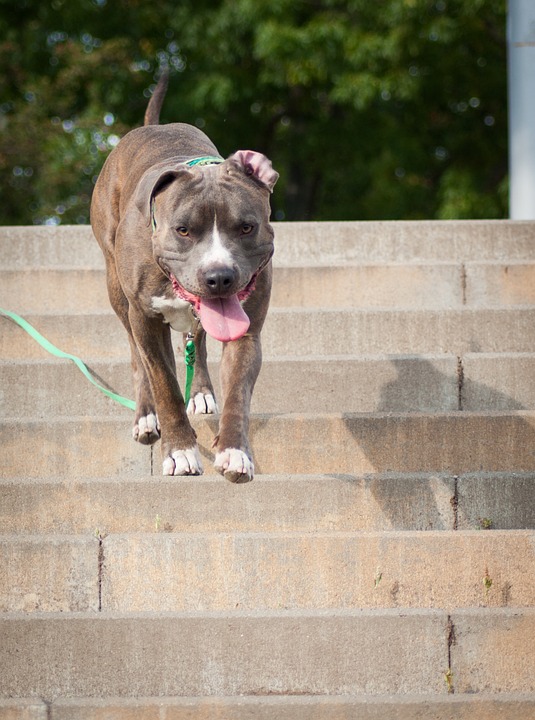
Caring for Your Amstaff: Essential Tips for a Happy, Healthy Life
American Staffordshire Terriers, also known as Amstaffs, are a beloved breed known for their loyalty, intelligence, and playful nature. While often confused with their cousin, the American Pit Bull Terrier, Amstaffs are unique in their own right. This article will dive deep into the history, temperament, and care needs of this breed, alongside the important role they can play as emotional support animals (ESAs).
Overview of the American Staffordshire Terrier
History
The Amstaff has roots that trace back to the late 19th century in England, where it was bred as a farm dog and for bull-baiting. Over time, selective breeding focused on temperament, leading to a friendly and loyal companion rather than a fighting breed. In 1936, the American Kennel Club (AKC) recognized the breed, emphasizing their qualities as spirited, affectionate family pets.
Temperament and Personality Traits
Amstaffs are known for their affectionate demeanor and intelligence. They are:
- Loyal: These dogs bond closely with their families, making them excellent companions.
- Playful: Highly spirited, they enjoy games and outdoor activities, perfect for active households.
- Confident: Amstaffs carry a sense of assurance that can be comforting in family situations.
However, socialization is crucial; without proper exposure, they may become overly protective.
Grooming Needs
Amstaffs have a short coat that requires minimal grooming. Regular brushing helps control shedding, but they typically only need a bath occasionally. Keep an eye on their nails, and ensure they are trimmed regularly to prevent any discomfort.
Health Considerations
Like all breeds, Amstaffs are susceptible to certain health issues, such as hip dysplasia and skin problems. Regular vet-checks, a balanced diet, and sufficient exercise are important to maintain their health.
Suitability for Different Households
Amstaffs thrive in active households with a secure yard. They do well with children and can coexist with other pets, especially if introduced early. However, they require firm training and socialization to prevent behavioral issues.
Training and Socialization Tips
-
Start Early: Begin training and socialization as soon as you bring your Amstaff home. Early exposure to various environments, people, and animals is vital.
-
Positive Reinforcement: Use treats and praise to reward good behavior. Amstaffs respond very well to a positive training approach.
-
Consistent Commands: Be consistent in your commands. This helps your dog understand what’s expected, building trust and a stronger bond.
-
Engaging Activities: Keep training sessions short and fun. Incorporate games and agility training to maintain interest.
-
Socialize Regularly: Attend dog training classes or dog parks to ensure your Amstaff becomes accustomed to different situations and is comfortable around other dogs and people.
Understanding Emotional Support Animals (ESAs)
An emotional support animal is a pet that provides comfort and support to individuals struggling with mental health issues or emotional challenges. Unlike service dogs, ESAs don’t require specialized training but must offer emotional comfort.
Benefits of ESAs
-
Companionship: An Amstaff can offer unwavering companionship, making lonely days feel less isolating.
-
Anxiety Reduction: Interactions with pets have been shown to lower anxiety levels. Petting your Amstaff can increase serotonin and dopamine, the “feel-good” hormones.
-
Routine and Responsibility: Caring for a pet provides structure and routine, which can be particularly helpful for those dealing with depression.
Real-life Examples
Consider Sarah, who has generalized anxiety disorder. By having her Amstaff, Max, by her side, she feels less isolated and more secure when experiencing anxiety. Max’s presence helps ground her during panic episodes and gives her a sense of purpose.
Key Information
- Breed Origin: American Staffordshire Terriers originated in the 19th century as a farm dog.
- Temperament: Loyal, playful, and confident; requires consistent training and socialization.
- Grooming: Low-maintenance, minimal bathing needed.
- Health Considerations: Prone to hip dysplasia and skin issues; regular vet visits are crucial.
- Training: Early training and socialization are vital; use positive reinforcement.
- Emotional Support: ESAs provide companionship, reduce anxiety, and foster responsibility.
How Dogs and Cats Provide Emotional Support
Studies have shown that pets play a significant role in mental health. Physically, the act of petting a dog can lower cortisol levels, a hormone associated with stress. Psychologically, the bond between a pet and their owner can greatly enhance feelings of self-worth and purpose.
For instance, John, who faced severe depression, found solace in his cat, Bella. The routine of feeding Bella reminded him of the importance of caring for another being, which slowly improved his mental health.
FAQs About Emotional Support Animals
-
What is an ESA?
An Emotional Support Animal is a pet that provides comfort to individuals with emotional or mental health issues but is not trained for specific tasks. -
How do I qualify for an ESA?
You generally need a recommendation from a licensed mental health professional who determines that an ESA would benefit your mental health. -
Can any pet be an ESA?
Yes, while dogs and cats are the most common, any animal can potentially serve as an ESA with appropriate documentation. -
Do ESAs have public access rights?
ESAs do not have the same public access rights as service dogs. They are allowed in certain housing or airline situations but not in all public spaces. -
What documentation do I need for my ESA?
You typically need an ESA letter from a licensed mental health professional stating the need for emotional support. -
What behaviors indicate my pet would be a good ESA?
Your pet should be calm, friendly, and able to provide comfort and companionship, along with a strong bond with you. -
Are there specific breeds that are better suited for ESAs?
While any breed can serve as an ESA, breeds known for their friendly and affectionate nature, like Amstaffs, often excel. -
Can my ESA help with anxiety?
Yes, the presence of an ESA can significantly reduce anxiety by providing companionship and fostering a sense of security.
Conclusion
Your Amstaff can serve as more than just a pet; it can become an indispensable companion that can soothe your emotional struggles and enhance your quality of life. If you believe your Amstaff may help you as an Emotional Support Animal, consider visiting Veripaw.org. Since 2012, Veripaw has been guiding pet owners through the process of ESA certification, connecting them with licensed mental health professionals, and providing access to high-quality pet accessories. Your journey to emotional well-being with your furry friend begins today!


