
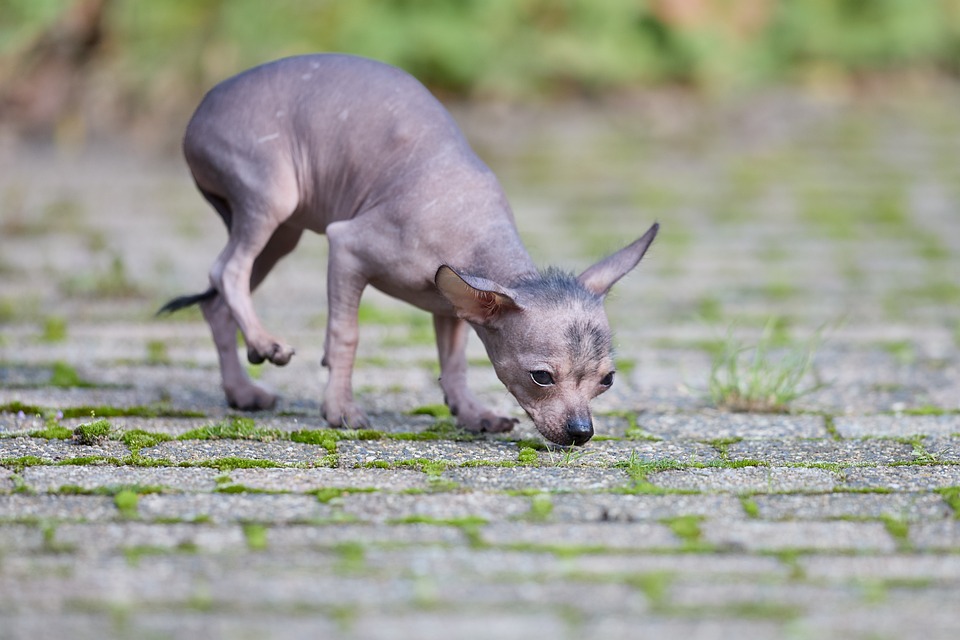
Caring for Your American Hairless Terrier: Tips for a Happy Pup
Overview of the American Hairless Terrier
The American Hairless Terrier (AHT) is a unique and affectionate breed recognized for its distinctive lack of fur. Originating in the United States in the 1970s, this breed emerged from the Rat Terrier lineage. Some may wonder about their often-unconventional appearance, but these dogs are beloved for their playful spirit, intelligence, and loyalty.
History
The American Hairless Terrier can be traced back to the 1970s in Louisiana, where a naturally occurring mutation in a litter of Rat Terriers produced hairless pups. This intriguing trait sparked breeders’ interest, and they began intentionally breeding these unique dogs. In 2004, the breed was officially recognized by the United Kennel Club.
Temperament and Personality Traits
Despite their somewhat unusual looks, American Hairless Terriers boast a warm and energetic personality. They are known to be playful, lively, and curious, making them excellent companions. They possess a keen intelligence, which enables them to learn commands quickly. Their loving nature makes them great family pets, as they form strong bonds with their human companions.
Grooming Needs
One of the benefits of owning a hairless breed is the minimal grooming required. However, this doesn’t mean they are completely maintenance-free. Their skin needs attention to prevent dryness and irritation. Here are a few grooming essentials for ensuring your AHT stays healthy:
- Moisturizing: Apply a gentle, pet-safe moisturizer regularly to keep their skin hydrated.
- Sunscreen: Since they lack a fur coat, AHTs are susceptible to sunburn. Consider using a pet-safe sunscreen during outdoor activities.
- Bathing: Bathe them periodically with a mild dog shampoo to remove oils and dirt.
- Nail Trimming: Regularly trim their nails to prevent discomfort and maintain proper mobility.
- Ear Cleaning: Keep an eye on their ears, cleaning them gently as needed to avoid infections.
Health Considerations
As with any breed, AHTs can be prone to health issues. Some common problems to watch for include skin irritations, allergies, and dental issues. Regular vet check-ups and a healthy diet are key to maintaining their overall well-being.
Suitability for Households
The American Hairless Terrier is well-suited for various living environments. Whether you live in a bustling city apartment or a spacious home, they adapt well to different lifestyles. They’re great with kids, other dogs, and even cats; their social nature makes them thrive in multi-pet households. However, they require socialization and training to feel secure and well-adjusted.
Tips for Training and Socializing Your AHT
Training and socializing your American Hairless Terrier begin early. Here’s how to ensure they grow into a well-behaved companion:
-
Start Early: Begin training and socialization as a puppy, as this sets the foundation for good behavior.
-
Positive Reinforcement: Utilize treats and praise to reinforce desirable behaviors. This method is more effective than punishment-based training.
-
Consistent Commands: Use the same commands consistently so your dog learns what to expect during training sessions.
-
Socialization Exposure: Introduce your AHT to different people, animals, and environments to build their confidence.
-
Engage in Activities: Activities like agility or obedience classes can provide mental stimulation and strengthen your bond with your dog.
Understanding emotional support animals (ESAs)
An emotional support animal (ESA) is a pet specifically designated to provide comfort and support to individuals with emotional or mental health issues. Unlike service dogs, which are trained to perform specific tasks for their owners, ESAs simply offer companionship. Those who have an ESA often report increased feelings of security, improved mood, and a reduction in anxiety.
Benefits of Designating Your Pet as an ESA
Many pet owners find that the presence of their dog or cat can significantly improve their emotional well-being. Here are some ways in which these loyal companions can enhance mental health.
-
Comfort: The affectionate nature of pets can soothe feelings of loneliness and sadness.
-
Routine: Taking care of a pet establishes a daily routine, which can bring structure and stability to your life.
-
Physical Touch: Petting and cuddling with animals releases oxytocin, a hormone linked to bonding and trust.
Real-life Examples
-
Samantha’s Story: After experiencing depression following a significant life change, Samantha adopted a cat as her ESA. The companionship they offer has significantly reduced her feelings of anxiety, allowing her to reengage with life.
-
Mark’s Journey: Mark, who battled PTSD, found solace in his dog. Their routine walks and playtimes became essential in managing his mental health.
Key Information
- Breed Overview: American Hairless Terriers are intelligent, playful, and affectionate, making them fantastic family pets.
- Grooming: They require skin care, including moisturizers and sunscreen, along with regular bathing and nail trimming.
- Health Considerations: Common health issues include skin irritations and dental problems, necessitating regular vet check-ups.
- Training Tips: Start early with positive reinforcement, use consistent commands, and engage in socialization to ensure well-adjusted behavior.
- Emotional Support: ESAs provide companionship which can alleviate loneliness and improve emotional well-being.
How Dogs and Cats Provide Emotional Support
Research indicates that pets play a vital role in enhancing mental health through several mechanisms:
-
Physiological Effects: Interacting with animals can lower anxiety and stress levels by releasing endorphins.
-
psychological Reassurance: Pets can instill a sense of purpose in their owners, allowing them to feel needed and valued.
-
Social Interaction: Pets facilitate social connections between people. Dog owners often meet and bond over their pets during walks or local dog parks.
-
Routine and Stability: Owning a pet creates a daily routine, promoting a sense of predictability and control.
Frequently Asked Questions (FAQs) about Emotional Support Animals
-
Q: What qualifies an animal to be an ESA?
- A: An animal must be prescribed as part of a mental health treatment strategy by a licensed mental health professional.
-
Q: Do ESAs need special training?
- A: No, ESAs do not require specialized training like service animals; they primarily provide comfort.
-
Q: Can a landlord deny my ESA?
- A: Under the Fair Housing Act, landlords cannot discriminate against a tenant based on their ESA. However, documentation may be required.
-
Q: Can I take my ESA on an airplane?
- A: Airlines have specific policies regarding ESAs. It’s essential to check the airline’s guidelines before travel.
-
Q: Is there a difference between an ESA and a service animal?
- A: Yes, service animals perform specific tasks for individuals with disabilities, while ESAs provide general emotional support.
Conclusion
Caring for your American Hairless Terrier is not just about providing food and shelter; it involves nurturing their physical and emotional health. Additionally, considering your pet as an Emotional Support Animal can unlock many mental health benefits for both you and your beloved companion.
If you’re interested in designating your furry friend as an ESA, visit Veripaw.org. Since 2012, Veripaw has been connecting pet owners with licensed mental health professionals, facilitating the ESA documentation process, and providing high-quality pet accessories. Take the step towards enhancing your well-being and your pup’s happiness today!


