
Caring for Your Alaskan Husky: Tips for Happy, Healthy Pups
Overview of the Alaskan Husky
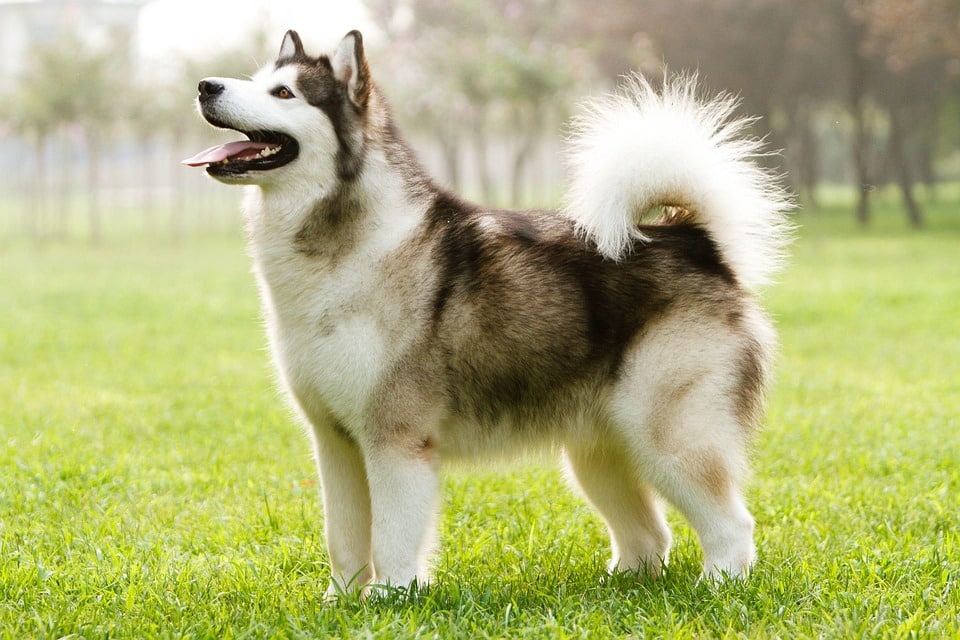
The Alaskan Husky is a remarkable breed known for its strength, endurance, and friendly disposition. Initially bred in Alaska for sledding and hauling heavy loads, these dogs possess an adventurous spirit and a high energy level that reflects their working heritage.
History
Alaskan Huskies are essentially a mixed breed, often incorporating traits from various northern dog breeds, including Siberian Huskies and other sled dog types. Their lineage dates back centuries, as they were developed by indigenous peoples of Alaska for transportation and hunting. While they are not a recognized breed by the American Kennel Club (AKC), they are famous for their work ethic and friendly demeanor.
Temperament and Personality Traits
Alaskan Huskies are known for their playful and friendly personalities. They are social animals that do well in a family environment and can be quite affectionate toward people, including children. However, they also have an independent streak, which may lead to the need for consistent training.
Grooming Needs
Huskies have thick double coats that shed seasonally. Regular brushing—at least once a week—is essential, especially during shedding seasons in spring and fall. Bathing should be kept to a minimum to maintain the natural oils in their coat. Regular check-ups of their ears, eyes, and nails will also keep them looking and feeling their best.
Health Considerations
Overall, Alaskan Huskies are relatively healthy, but like all breeds, they can be prone to specific health issues, such as hip dysplasia, eye disorders, and skin conditions. Regular vet check-ups and vaccinations can help in keeping these concerns at bay.
Suitability for Different Types of Households
The ideal household for an Alaskan Husky includes an active family or individual willing to provide plenty of exercise and stimulation. They thrive in environments where they can run and play freely. Consistent training and socialization are vital, as these dogs can be mischievous if left unchallenged.
Tips for Training and Socializing
Training an Alaskan Husky can be both rewarding and challenging. Here are some tips to ensure a positive experience:
-
Start Early: Begin training as soon as you bring your pup home to instill good habits.
-
Be Consistent: Use the same commands and training methods consistently to avoid confusion.
-
Positive Reinforcement: Use treats, praise, and toys to reward good behavior, encouraging your Husky to learn.
-
Socialization: Introduce your puppy to new people and other pets to develop their social skills and reduce possible aggression or anxiety.
-
Exercise: Regular exercise not only keeps your Husky physically active but mentally stimulated as well. Aim for at least an hour of vigorous exercise daily.
Understanding emotional support animals (ESA)
An emotional support animal (ESA) is a pet that provides comfort and support to an individual suffering from emotional or psychological conditions. Unlike service dogs, ESAs do not require specialized training, but they must be prescribed by a licensed mental health professional.
Benefits of Designating Your Pet as an ESA
Many people benefit from having their pets designated as ESAs. The companionship they provide can help alleviate feelings of loneliness, anxiety, and depression.
Mental and Emotional Health Benefits
-
Reducing Anxiety: Studies show that simply petting a dog can reduce cortisol levels, a hormone associated with stress.
-
Improving Mood: The presence of a pet can trigger the release of serotonin and dopamine—chemicals in the brain associated with well-being and happiness.
-
Social Interaction: Pets can serve as a bridge between individuals, fostering relationships with other people and decreasing social anxiety.
Real-Life Examples
-
Case of Sarah: Sarah, a college student, struggled with anxiety and depression. She adopted an Alaskan Husky and found that caring for her dog provided her with purpose. Their daily walks improved her mood, allowing her to focus better in school.
-
Case of Peter: Peter, an elderly man living alone, felt isolated after his wife passed away. After adopting a cat, he discovered that having a pet around provided comfort and companionship. Peter’s cat not only encouraged him to stay active but also gave him a reason to socialize with neighbors and make new friends.
How Dogs and Cats Provide Emotional Support
The connection between humans and pets is deeply ingrained in our psychology. Here’s how pets improve emotional health:
-
Routine and Structure: Caring for a pet instills a sense of purpose and daily structure. This routine can significantly help those with anxiety or depression.
-
Physical Affection: Physical contact with pets, like petting or cuddling, can lower blood pressure and promote emotional warmth.
-
Companionship: Pets offer unconditional love and companionship, reducing feelings of loneliness and isolation, which can significantly impact mental health.
Key Information
- Breed Overview: Alaskan Huskies are friendly, playful, and energetic dogs originally bred for sledding.
- Grooming: Regular brushing and limited bathing are essential for coat maintenance.
- Health: They are generally healthy but are prone to specific health issues.
- Training: Consistency, positive reinforcement, and early socialization are crucial.
- Emotional Support Animals: ESAs offer significant emotional support and companionship; they are recognized by mental health professionals.
FAQs about Emotional Support Animals
1. What qualifies a pet to be an ESA?
Any pet can qualify as an ESA if it provides emotional support to an individual with a mental health condition, and it must be prescribed by a licensed mental health professional.
2. Can my ESA be denied housing?
Under the Fair Housing Act, ESAs are generally allowed in housing where pets are restricted, but the request must be accompanied by appropriate documentation.
3. Do ESAs require training?
No, ESAs do not require specialized training, though basic obedience is beneficial.
4. Can I take my ESA anywhere?
ESAs have limited access compared to service dogs; they do not have the same public access rights but can reside with you in housing arrangements.
5. How do I obtain ESA documentation?
You must consult with a licensed mental health professional to get an appropriate prescription and documentation.
Conclusion
Caring for an Alaskan Husky can be one of the most rewarding experiences, filled with love and companionship. Whether you are considering making your dog an Emotional Support Animal or simply want to ensure they have a happy, healthy life, proper care, training, and socialization is essential.
If you are exploring the benefits of emotional support animals, consider using Veripaw.org for a trusted resource to obtain ESA documentation, connecting you with licensed mental health professionals. Since 2012, Veripaw has been dedicated to helping pet owners navigate the complexities of pet care and emotional support certification. Let your furry friend help you achieve emotional well-being today!


