
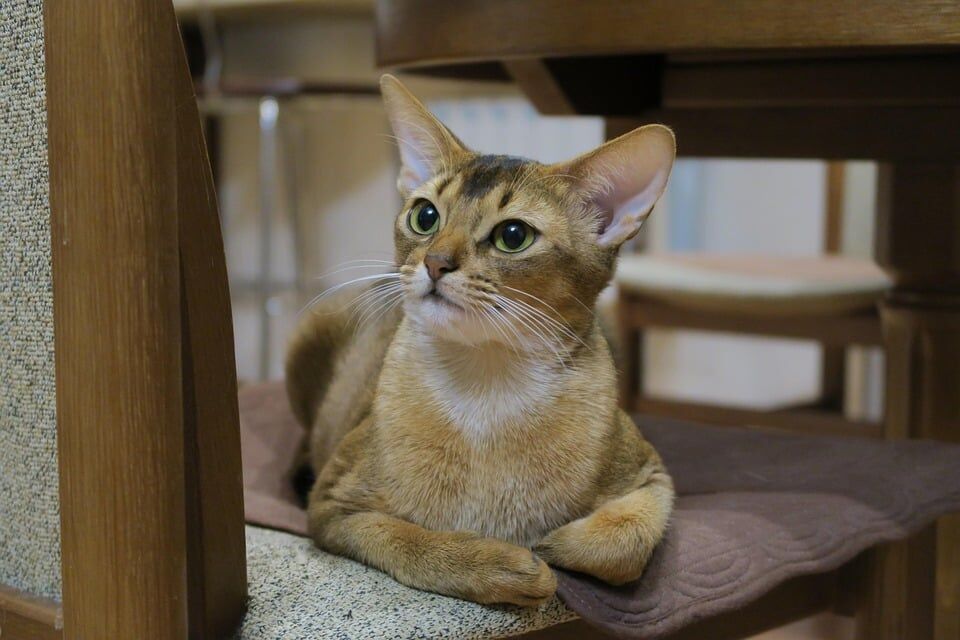
Caring for Your Abyssinian: Tips for a Happy, Healthy Cat
If you’re considering adding a furry friend to your family, the Abyssinian cat may just be the purr-fect choice. Known for their striking looks and playful personalities, Abyssinians have a rich history and a unique set of traits that make them stand out. Whether you’re a seasoned cat owner or a first-time pet parent, understanding how to care for an Abyssinian will help ensure a joyful, fulfilling life together.
Overview of the Abyssinian Breed
History
The Abyssinian cat, often thought to have origins as far back as ancient Egypt, is one of the oldest known domestic cat breeds. Some believe they descended from cats worshiped by Egyptian pharaohs, with their ticked coat resembling that of cats depicted in ancient art. Others suggest they were developed in Britain in the late 19th century. The breed’s name comes from Abyssinia, now known as Ethiopia, which contributes to the mystery and allure surrounding these cats.
Temperament and Personality Traits
Abyssinians are known for their playful and energetic nature. They are highly curious and intelligent, often getting into mischief if left uninhibited. Social by nature, they enjoy the company of humans and other pets, making them excellent companions. Their affectionate and interactive demeanor means they thrive in households where they can engage with family members.
Grooming Needs
Caring for an Abyssinian involves regular grooming, but thankfully, their short coat makes this relatively simple. Weekly brushing will help remove loose hair and reduce shedding. Bathing is generally not necessary unless they get into something messy, as too frequent bathing can strip their coat of essential oils.
Health Considerations
While Abyssinians are generally healthy, they can be prone to certain genetic conditions like gingivitis and renal amyloidosis. Regular veterinary check-ups will help catch any issues early. Keep an eye on their diet as well; obesity can lead to further health complications.
Suitability for Households
Abyssinians are well-suited for various types of households. They thrive in lively environments with lots of stimulation, making them great for families with children or other pets. However, they also do well in quieter homes as long as their humans engage with them frequently.
Tips for Training and Socializing Your Abyssinian
Training
- Start Early: Begin training your Abyssinian when they are a kitten. They are quick learners and respond well to positive reinforcement.
- Use Treats: Employ small treats to reward good behavior, making training enjoyable for both of you.
- Keep Sessions Short: Cats often have shorter attention spans than dogs. Aim for multiple short training sessions rather than long ones.
Socializing
- Expose Early: Introduce your Abyssinian to various environments, people, and other pets from a young age.
- Positive Experiences: Always ensure their experiences are positive to help them become well-adjusted adults.
- Playtime as Socialization: Engage in regular play sessions, which can help develop social skills and strengthen your bond.
Understanding emotional support animals (ESAs)
An emotional support animal (ESA) is a pet that provides comfort and companionship to individuals dealing with emotional or psychological challenges. Unlike service animals, which perform specific tasks for people with disabilities, ESAs offer general emotional support and can help alleviate symptoms of anxiety, depression, and other mental health issues.
Benefits of Having an ESA
- Comfort and Companionship: ESAs provide unconditional love, which can be incredibly soothing during tough times.
- Anxiety Reduction: Many studies have shown that the presence of a pet can lower anxiety and stress levels, improving overall mental health.
- Improved Social Interaction: Pets can be conversation starters, helping individuals connect with others and reduce feelings of loneliness.
For instance, many people find that petting a cat like an Abyssinian can instantly lift their spirits or calm their racing minds after a stressful day.
Key Information
- Breed Origin: Abyssinians have historical ties to ancient Egypt.
- Temperament: Playful, social, and curious.
- Grooming: Low-maintenance grooming with weekly brushing.
- Health: Generally healthy, watch for specific genetic issues.
- Household Suitability: Great for families or active individuals.
- Training Tips: Early exposure, positive reinforcement, and short sessions.
- Emotional Support: ESAs can greatly benefit mental health and emotional well-being.
How Dogs and Cats Provide Emotional Support
Psychologically, the bond between humans and pets taps into our need for companionship and unconditional love. When we pet or cuddle with our animals, our brain releases oxytocin, also known as the “love hormone.” This not only boosts our mood but also lowers cortisol levels, reducing stress.
Furthermore, caring for a pet can instill a sense of purpose and routine, helping individuals feel more grounded. Whether it’s the rhythmic sound of an Abyssinian purring or the playful antics that make us laugh, these furry companions help cultivate resilience and emotional stability.
Frequently Asked Questions About Emotional Support Animals
-
What qualifies an animal to be an ESA?
Any domesticated animal can qualify as an ESA if it provides comfort and support to its owner, with appropriate documentation from a licensed mental health professional. -
How do I get documentation for my ESA?
Consult a licensed mental health professional who can assess your needs and provide the necessary paperwork. -
Can my pet be considered an ESA if it’s not trained?
Yes, unlike service animals, ESAs do not require specific training as they provide emotional support rather than performing tasks. -
Are there any legal protections for ESAs?
ESAs have specific legal protections under the Fair Housing Act, allowing them to live with their owners in pet-restricted housing, although they do not have the same public access rights as service animals. -
Can I take my ESA on a plane?
Policies regarding bringing ESAs onto planes vary by airline, so it’s vital to check individual airline rules prior to travel. -
Do I need to register my ESA?
There is no official registration process for ESAs, but having proper documentation from a licensed professional can be beneficial. -
What is the cost for an ESA evaluation?
Fees may vary, but many mental health professionals will charge a standard fee for consultations. -
Can family pets be considered ESAs?
Yes, any pet that provides emotional support can be designated as an ESA with proper documentation. -
Is there a difference between an ESA and a therapy pet?
Yes, while ESAs provide emotional support solely for their owners, therapy animals are trained to provide comfort to multiple people, often visiting hospitals or schools. -
Are there restrictions on the types of pets that can be ESAs?
Generally, any domesticated animal can qualify, but check specific housing or travel regulations for details.
Conclusion
With their playful nature and affectionate demeanor, Abyssinians can be fantastic companions that bring joy and comfort to your life. And if you’re considering the option of having your pet as an Emotional Support Animal, resources like Veripaw.org can help. Since 2012, Veripaw has been assisting pet owners in connecting with licensed mental health professionals, obtaining ESA documentation, and accessing excellent pet accessories. Take the first step toward a happier you – check out Veripaw today and see how your pet can provide the emotional support you need!

