
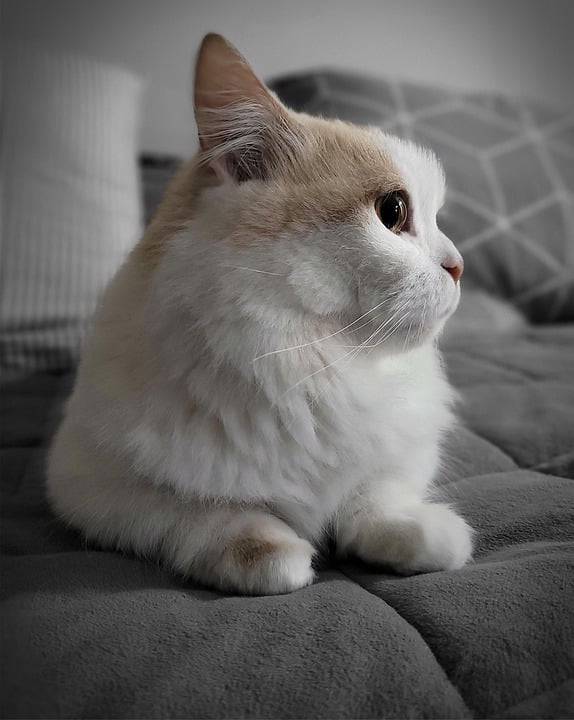
Caring for Munchkin Cats & Dogs: Tips for Happy, Healthy Companions
When it comes to choosing the perfect companion animal, many people are drawn to the quirky and lovable Munchkin breeds. Munchkin cats and dogs share a unique characteristic: their short legs. This delightful trait, combined with their playful personalities, makes them a favorite among pet lovers. In this article, we’ll delve into the history, temperament, grooming needs, and overall care of Munchkin cats and dogs. We’ll also discuss their role as emotional support animals (ESAs) and the mental health benefits they provide.
Overview of Munchkin Cats and Dogs
Munchkin Cats
History:
The Munchkin cat breed has a unique origin story that dates back to the 1980s in Louisiana. This breed gained popularity after a school teacher discovered a group of small cats with short legs and began to breed them. The name “Munchkin” comes from the small, whimsical characters in “The Wizard of Oz.”
Temperament and Personality Traits:
Munchkin cats are known for their playful, affectionate, and sociable nature. They are intelligent and curious, often maintaining a kitten-like playfulness well into adulthood. Munchkins get along well with children and other pets, making them an excellent choice for families.
Grooming Needs:
Grooming needs can vary by coat type—Munchkin cats come in both long-haired and short-haired varieties. Regular brushing is essential, particularly for long-haired cats, to prevent matting and reduce shedding. Routine dental care is important, as are regular vet visits to maintain overall health.
Health Considerations:
These cats are generally healthy but can be prone to certain genetic conditions, such as lordosis (spinal deformity) and hip dysplasia due to their unique body structure. Regular veterinary checkups can help catch potential issues early.
Munchkin Dogs
History:
Munchkin dogs, while less common, share a similar history. Breeders started recognizing short-legged dogs in various breeds, leading to the development of the Munchkin dog. They often derive from breeds like Dachshunds and Corgis.
Temperament and Personality Traits:
Munchkin dogs tend to be spirited, affectionate, and lively. They exhibit a strong bond with their families and are often curious and adventurous. These dogs require regular exercise to keep their minds and bodies stimulated.
Grooming Needs:
Grooming varies depending on the breed mix. Regular brushing and occasional baths are typically needed to keep their coat healthy. Because of their shorter legs, extra care should be taken when it comes to their joint health.
Health Considerations:
Like Munchkin cats, Munchkin dogs can be prone to specific health issues. Conditions such as obesity can be a concern, so maintaining a healthy diet and regular exercise is essential.
Caring for Munchkin Companions
Training Tips
-
Start Early: Begin training and socialization at a young age. Use positive reinforcement techniques, such as treats and praise.
-
Short Sessions: Keep training sessions short and fun to maintain their interest and engagement. Aim for 5-10 minutes at a time.
-
Socialize: Expose them to various environments, people, and other animals to help them become well-rounded companions.
-
Routine: Establish a consistent daily routine to help create a sense of security.
Emotional Support Animals (ESA)
What are ESAs?
An emotional support animal (ESA) is a pet that provides comfort and support to individuals with emotional or mental health challenges. Unlike service animals, ESAs are not required to be trained to perform specific tasks but instead offer companionship and solace.
Benefits of ESAs:
Research shows that having a pet can significantly reduce feelings of anxiety and depression. Animals’ unconditional love promotes a sense of security and can help improve emotional regulation. For example, a person experiencing anxiety might find solace in their Munchkin dog cuddling up beside them during a stressful event.
How Dogs and Cats Provide Emotional Support
The Science Behind Emotional Support
The bond between humans and pets is backed by science. Interactions with animals can trigger the release of oxytocin, often referred to as the “happiness hormone.” This hormone promotes feelings of love and connection, making pet owners feel more at ease.
Moreover, studies have shown that spending time with pets can lower cortisol levels, a hormone that is often elevated during stress. Pets can also serve as a social catalyst, helping people to connect with others and engage in physical activity.
FAQs about Emotional Support Animals
-
Can any pet be an ESA?
While any domesticated animal can technically serve as an ESA, dogs and cats are the most common due to their sociable nature. -
Do I need a special certification for an ESA?
While there’s no official certification, a letter from a licensed mental health professional is typically required to designate your pet as an ESA. -
Are ESAs allowed in all housing situations?
Under the Fair Housing Act, ESAs are generally allowed in no-pets housing, but it’s essential to check local laws and regulations. -
Can I take my ESA anywhere?
ESAs do not have the same public access rights as service animals, but they can accompany you in housing situations and on specific travel routes. -
What is the cost of keeping an ESA?
The overall cost will include regular vet visits, food, and any other necessary supplies, similar to owning a pet. -
How do I know if I need an ESA?
If you frequently experience anxiety, depression, or social isolation, discussing the option of an ESA with a licensed mental health professional may be beneficial.
Key Information
- Breed Overview: Munchkin cats and dogs are playful, affectionate companions with a unique physical trait—short legs.
- Care Requirements: Grooming, socialization, and training are essential for a happy Munchkin.
- Benefits of ESAs: Emotional and mental health support through emotional connection and companionship.
- Scientific Evidence: Bonding with pets releases oxytocin and lowers cortisol levels, contributing to emotional well-being.
Conclusion
If you’re considering adopting a Munchkin cat or dog, you are bringing home a unique companion who can not only provide joy but also emotional support. For those looking to designate their pet as an Emotional Support Animal, consider resources like Veripaw.org. Since 2012, Veripaw has connected pet owners with licensed mental health professionals, helped obtain ESA documentation, and curated quality pet accessories. Take the first step in enhancing the bond with your furry friend and explore Veripaw’s resources today! By doing so, you can ensure that your Munchkin companions remain happy, healthy, and supportive throughout their lives.

