
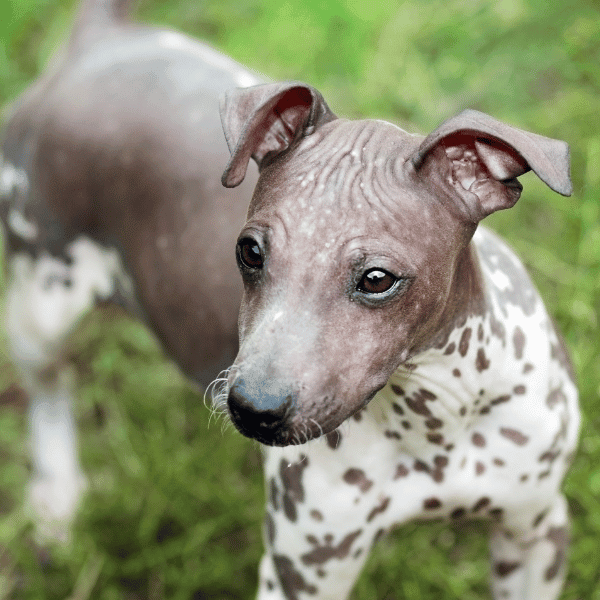
Caring for an American Hairless Terrier: Tips for a Happy, Healthy Pet!
The American Hairless Terrier (AHT) is a breed that has grown in popularity due to its unique appearance and charming personality. This breed is not only known for being hairless, but it is also playful, affectionate, and intelligent. In this guide, we’ll explore the history, temperament, grooming needs, and health considerations of the American Hairless Terrier, along with advice on training, socialization, and overall pet care.
Overview of the American Hairless Terrier
History
The American Hairless Terrier is a relatively new breed that emerged in the U.S. in the 1970s. A hairless puppy was born from a litter of rat terriers belonging to a Louisiana family. This unexpected arrival led to the intentional breeding of hairless rats, resulting in the establishment of the AHT. The breed was recognized by the American Kennel Club (AKC) in 2016 and has garnered attention for its unique physical attributes and lively personality.
Temperament and Personality Traits
The American Hairless Terrier is known for its friendly demeanor, intelligence, and energetic spirit. They are loyal and affectionate towards their families, often forming strong bonds with their human companions. AHTs are curious and playful creatures, making them well-suited for various lifestyles, including families with children and active individuals.
Despite their energetic nature, they also possess a calm, gentle side. The breed is generally good with other pets, but early socialization is key to nurturing the right temperament.
Grooming Needs
One of the most appealing aspects of the American Hairless Terrier is its minimal grooming requirements. Since these dogs are hairless, they do not require regular brushing. However, their skin is sensitive and may require special care. Regular baths can help to keep their skin clean, and using sunscreen is recommended when they are exposed to the sun, as they can sunburn easily.
You should also ensure their nails are trimmed regularly and their ears are clean, as these are important aspects of grooming to keep your pet healthy.
Health Considerations
Like all breeds, American Hairless Terriers are prone to certain health issues. Some common concerns include skin problems, such as allergies or infections. Regular vet check-ups are essential to monitor your pet’s health and address any potential issues promptly.
Suitability for Different Types of Households
The American Hairless Terrier suits a variety of households. Their friendly nature makes them great companions for families. They do well in apartments and homes but require regular exercise to burn off their energy. They thrive on human interaction and should not be left alone for long periods.
Tips for Training and Socializing
Training your AHT is an essential aspect of pet ownership. Here are some tips to get you started:
Use Positive Reinforcement: Reward-based training works best. Use treats, praise, and playtime to encourage appropriate behavior.
Start Early: Begin training and socialization when your puppy is young. Introduce them to new people, pets, and environments to help develop a well-adjusted adult dog.
Be Consistent: Consistency helps your dog understand your expectations. Use the same commands and reinforcement methods to avoid confusion.
Engage in Regular Exercise: Daily exercise is crucial for their physical and mental health, so take them on walks or let them play in the yard.
Understanding emotional support animals (ESAs)
An emotional support animal (ESA) is a pet that provides comfort, support, and companionship to individuals with emotional or psychological conditions. ESAs offer therapeutic benefits and play an important role in helping people manage their daily lives.
Benefits of Designating Your Pet as an ESA
People can benefit significantly from having an ESA. Here are a few reasons why:
Companionship: ESAs offer non-judgmental love and support, reducing feelings of loneliness and isolation.
Stress Reduction: Interacting with pets can lower cortisol levels (the stress hormone) and increase oxytocin levels (the bonding hormone), promoting relaxation.
Emotional Well-being: Many people experience reduced symptoms of anxiety and depression with the unconditional love of an ESA.
Real-Life Examples
Individuals have reported using their emotional support animals successfully in various situations. For example, someone with anxiety may find it incredibly soothing to cuddle with their pet during stressful times. Others mention feeling more confident and comfortable venturing out in public places while accompanied by their emotional support animal.
How Dogs and Cats Provide Emotional Support
Recent studies reveal that pets can have a profound impact on our emotional health.
Science of Companionship: When you pet or cuddle your animal, your brain releases feel-good hormones. This chemical reaction boosts mood and enhances resilience against stressors.
Psychological Benefits: Pets encourage us to engage with the world outside ourselves. Caring for another being can foster a sense of purpose, lower anxiety levels, and improve overall mental health.
Key Information
- Breed Overview: The American Hairless Terrier is friendly, intelligent, and energetic, making it suitable for various households.
- Grooming Needs: Minimal grooming required; be vigilant about skin care and protection from the sun.
- Health Considerations: Regular vet check-ups are essential to monitor for skin-related issues.
- Training Tips: Utilize positive reinforcement, begin training early, maintain consistency, and engage in regular exercise.
- ESAs: Pets can provide emotional support to individuals, reducing stress and enhancing well-being.
FAQ Section
What animals can be considered Emotional Support Animals?
- Any domesticated animal, including dogs, cats, rabbits, and even birds, could be designated as an ESA if they provide comfort to their owner.
Do ESAs require special training?
- Unlike service animals, ESAs do not require specialized training. However, basic obedience training can be beneficial.
How do I obtain certification for my ESA?
- You can obtain an ESA letter from a licensed mental health professional. Many online services, such as Veripaw.org, can assist in connecting you with professionals.
Can landlords refuse ESAs?
- Under the Fair Housing Act, individuals are allowed to have ESAs in housing situations that may otherwise restrict pets.
Are ESAs the same as service dogs?
- No, ESAs provide emotional support, while service dogs are specifically trained to assist individuals with disabilities.
Calling All Pet Owners!
If you feel that your American Hairless Terrier (or any pet) provides you with emotional support, consider designating them as an Emotional Support Animal. For reliable assistance, visit Veripaw.org. Since 2012, Veripaw has been connecting pet owners with licensed mental health professionals, helping people obtain ESA documentation, and providing high-quality pet accessories. Your furry friend could become the key to enhancing your emotional well-being!

