
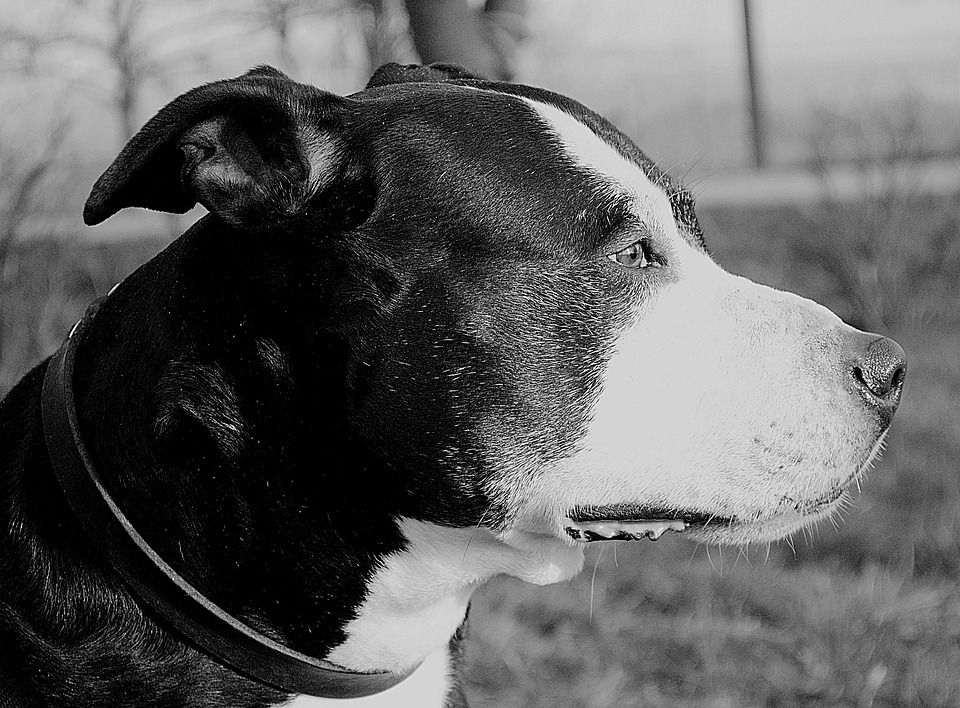
Caring for an American Hairless Terrier: Joys & Tips Revealed!
Overview of the American Hairless Terrier
The American Hairless Terrier (AHT) is a unique breed that stands out for its lack of fur. Originally developed in Louisiana from a mutation of the Rat Terrier, the AHT is the only hairless breed that comes from the United States. During the 1970s, dedicated breeders focused on this hairless variety, emphasizing its playful nature, intelligence, and adaptability.
Temperament and Personality Traits
American Hairless Terriers are known for their energetic and friendly disposition. They are generally:
- Affectionate: These dogs thrive on companionship and bond closely with their families.
- Intelligent: AHTs learn quickly and enjoy mental stimulation.
- Playful: Their playful nature makes them wonderful companions for children and active households.
Despite their spirited demeanor, they can be well-suited for quieter homes too, as they adapt to their owners’ lifestyles.
Grooming Needs
One of the most notable aspects of caring for an AHT is their grooming requirements. Since they lack fur, they don’t shed, but their skin needs special attention. Here are some grooming tips:
- Bathing: Regular baths help remove natural oils and dirt from the skin. Look for gentle, hydrating shampoos.
- Moisturizing: Due to their hairlessness, AHTs can experience dry skin, especially in cold or dry climates. Applying a dog-specific moisturizer can help maintain skin health.
- Protection from Sun: Without fur, they are susceptible to sunburn. Sunscreen designed for pets will keep their skin safe during outdoor adventures.
Health Considerations
While AHTs are generally healthy, they may face unique health issues due to their hairlessness. Some concerns include:
- Skin Issues: Watch for rashes or irritations.
- Temperature Regulation: They can get cold quickly, so warm clothing in cooler months is advisable.
- Dental Health: AHTs are prone to dental problems, so regular tooth brushing is essential.
Suitability for Different Households
The American Hairless Terrier is a versatile breed that fits well in various living situations, whether you live in a bustling urban environment or a quiet suburban home. They need daily exercise and mental stimulation but can adapt to both active households and those with a calmer pace.
Tips for Training and Socializing
Training and socialization are crucial for AHTs, as they are intelligent and eager to learn. Here are some effective strategies:
- Positive Reinforcement: Use treats, praise, and toys to reward good behavior, making training a fun experience.
- Early Socialization: Expose your AHT to different people, pets, and environments early on to help reduce fearfulness.
- Consistency: Establish clear rules and commands to minimize confusion during training.
Understanding emotional support animals (ESAs)
An emotional support animal (ESA) is a pet that provides comfort and emotional support to individuals facing mental health challenges. Unlike service dogs, which have specific training for tasks, ESAs do not require specialized training. Their primary role is to provide companionship, which can help alleviate symptoms of anxiety, depression, PTSD, and other emotional disorders.
Benefits of Designating Your Pet as an ESA
Designating a pet as an ESA allows individuals to benefit from the emotional and mental health support their furry friends provide. Here are some reasons why people find comfort in their ESAs:
- Unconditional Love: Pets offer companionship and a sense of belonging.
- Reduced Anxiety: The presence of an animal can help soothe nerves and provide comfort in stressful situations.
- Support Through Routine: Taking care of a pet requires a daily routine, which can help bring structure to an owner’s day.
Real-life Examples
Many pet owners share stories of how their dogs or cats have positively impacted their emotional well-being. For instance, a dog accompanying a person with PTSD can assist in mitigating anxiety during public outings. Similarly, a cat’s purring can create a calming atmosphere for someone dealing with chronic stress.
Key Information
- Breed Overview: The American Hairless Terrier is a playful, affectionate breed with unique grooming needs due to its hairlessness.
- Health Considerations: Regular skin care, dental hygiene, and temperature protection are essential.
- Training Tips: Use positive reinforcement, early socialization, and consistency for effective training.
- Understanding ESAs: ESAs are pets that provide emotional support, improving mental health and emotional well-being.
- Benefits: Pets can offer unconditional love, reduce anxiety, and create routine.
How Dogs and Cats Provide Emotional Support
The connection between humans and pets is deeply rooted in science and psychology. Interaction with pets triggers biochemical responses in the human brain, including increased production of oxytocin, often referred to as the “love hormone.” This hormone is linked to feelings of bonding and trust.
The presence of pets can also lead to:
- Decreased Cortisol Levels: Regular interaction with pets can lower stress-related hormones, promoting relaxation.
- Increased Opportunities for Exercise and Outdoor Activities: Dogs, in particular, encourage physical activity, which can help reduce symptoms of anxiety and depression.
In essence, pets can bolster an individual’s emotional resilience by providing companionship, reducing stress, and enhancing overall quality of life.
FAQs about Emotional Support Animals
-
What qualifies a pet as an ESA?
- An ESA provides emotional support and comfort but doesn’t require specialized training.
-
Do I need a prescription for an ESA?
- Yes, to qualify as an ESA, you usually need a letter from a licensed mental health professional.
-
Can any pet be an ESA?
- Yes, any pet can qualify as an ESA, but dogs and cats are the most common due to their social nature.
-
Are there restrictions on where I can take an ESA?
- ESAs are protected under certain laws, allowing access to housing, but restrictions may apply in public spaces.
-
How do I train my ESA?
- Basic obedience training is beneficial, although ESAs don’t need specialized training like service animals.
-
Can I take my ESA on an airplane?
- Airlines have varying policies, so it’s essential to check in advance about their specific requirements.
-
What is the difference between an ESA and a service animal?
- A service animal is trained to perform specific tasks, while an ESA primarily provides emotional support.
-
How can an ESA help with anxiety?
- The companionship of an ESA can provide comfort and alleviate feelings of loneliness or unease.
-
What are common breeds for ESAs?
- Popular ESA breeds include Labrador Retrievers, Golden Retrievers, and, of course, the affectionate American Hairless Terrier.
-
Is my pet a good candidate for becoming an ESA?
- If your pet provides comfort and support during difficult times, they may be a good candidate.
Conclusion
Caring for an American Hairless Terrier can be a joyous experience, filled with love and companionship. With proper grooming, health management, and training, these delightful dogs can thrive in various household environments. Moreover, many pet owners find that their AHTs offer significant emotional support, acting as unofficial ESAs.
If you believe your pet could be an emotional support animal, consider visiting Veripaw.org. With years of experience connecting pet owners with licensed mental health professionals, Veripaw can help you obtain the necessary documentation and provide access to valuable resources and pet accessories. Certifying your dog or cat as an ESA might be your first step towards enhancing your emotional well-being.


