
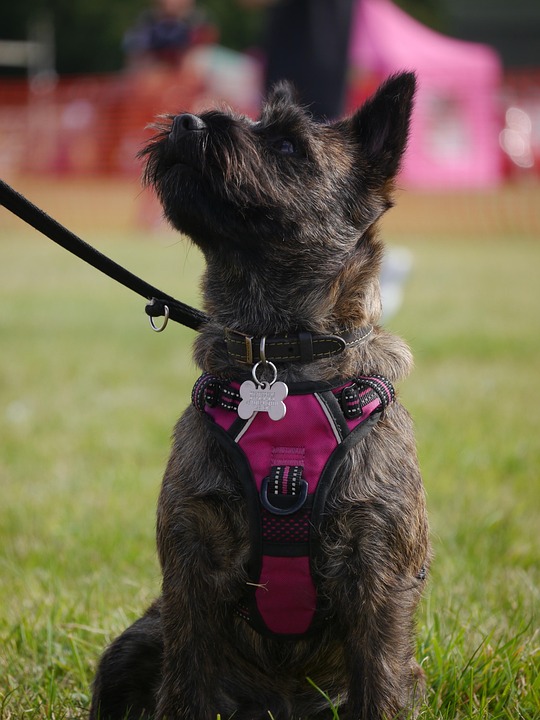
Cairn Terriers: Unleashing Joy with Their Playful Personalities!
Cairn Terriers are a delightful breed known for their boundless energy, playful nature, and striking appearance. With their sturdy frame and expressive faces, it’s no surprise that these dogs have captured the hearts of many pet owners and animal lovers alike. In this article, we will delve into the history, temperament, grooming needs, health considerations, and suitability of Cairn Terriers for various households. We’ll also explore the concept of emotional support animals (ESAs) and how they can enrich our lives emotionally and mentally.
Overview of Cairn Terriers
History
Originating from the Scottish Highlands, Cairn Terriers were bred to hunt vermin, particularly in rocky terrains. Their name comes from the word “cairn,” which refers to a stone pile or heap, as these dogs often searched for prey among the stones. The breed is one of the oldest terriers and was officially recognized by the American Kennel Club (AKC) in 1913. The most famous representation of Cairn Terriers is Toto, from “The Wizard of Oz,” reinforcing their endearing charm.
Temperament and Personality Traits
Cairn Terriers are known for their lively and spirited nature. They are friendly, intelligent, and alert. Here are some key personality traits:
- Playful: Cairn Terriers are always up for fun and games. They love to chase and are active companions.
- Affectionate: These dogs bond closely with their families and enjoy cuddling after a long day of play.
- Curious: Cairn Terriers are naturally inquisitive, making them excellent explorers.
- Bold: They are confident and can sometimes exhibit a bit of a stubborn streak. That’s where positive reinforcement training comes in handy!
Grooming Needs
Cairn Terriers have a dense, wiry coat that requires consistent grooming. Here’s how to keep your furry friend looking their best:
- Brushing: Regular brushing, at least once a week, helps remove loose hair and prevent matting.
- Bathing: Cairn Terriers don’t require frequent baths—once every few months is usually sufficient.
- Trimming: The coat may require professional grooming a few times a year to maintain its shape and health.
Health Considerations
Cairn Terriers are generally healthy, but like any breed, they are prone to certain health issues. Common concerns include:
- Hip Dysplasia: A genetic condition that can affect mobility.
- Patellar Luxation: A dislocation of the kneecap that can cause discomfort.
- Eye Problems: Conditions like cataracts can occur.
Regular veterinary check-ups, a balanced diet, and plenty of exercises contribute to a long, healthy life.
Suitability for Different Households
Cairn Terriers are adaptable and can thrive in various living situations:
- Families: Their playful nature makes them great companions for children, although supervision is advised with very young kids.
- Singles and Couples: Individuals or couples looking for an energetic companion find Cairn Terriers wonderfully engaging.
- Active Lifestyle: They suit those who enjoy outdoor activities, as Cairn Terriers require regular exercise to stay happy and healthy.
Training and Socialization Tips
Training a Cairn Terrier can be both rewarding and challenging due to their intelligence and occasional stubbornness. Here are some suggestions:
- Use Positive Reinforcement: Reward-based training is particularly effective. Treats, praises, and toys ensure they stay motivated.
- Consistency is Key: Use the same commands and rules consistently to avoid confusion.
- Socialization: Introduce your Cairn to various people, places, and other dogs early on to promote well-rounded behavior. Puppy classes can be a great way to achieve this.
Emotional Support Animals (ESA)
What is an emotional support animal?
In simple terms, an Emotional Support Animal (ESA) is a pet that provides comfort and emotional support to its owner. Unlike service animals, ESAs do not require extensive training. They help alleviate symptoms of mental or emotional health challenges, such as anxiety and depression.
Benefits of Designating Your Pet as an ESA
Having an ESA can provide several benefits:
- Comfort: They offer companionship that helps reduce feelings of loneliness.
- Anxiety Reduction: The presence of an ESA has been shown to lower anxiety levels significantly.
- Emotional Support: The unconditional love and affection from a pet can improve emotional stability.
Real-Life Examples
Many individuals report that their pets have helped them through tough times. For instance, a person experiencing anxiety may find solace in the gentle presence of their dog, who cuddles beside them during stressful moments. This companionship can create a sense of calm and security, proving essential for emotional well-being.
Key Information
- History: Originated from Scotland for hunting vermin, recognized by AKC in 1913.
- Temperament: Playful, affectionate, curious, and bold.
- Grooming: Needs weekly brushing and occasional professional grooming.
- Health: Prone to hip dysplasia and other common canine health issues.
- Training: Positive reinforcement and early socialization are ideal.
How Dogs and Cats Provide Emotional Support
Science and Psychology Behind Emotional Support
Numerous studies have shown that pets positively impact mental health. Here’s how:
- Lower Stress Levels: Petting a dog or cat can release stress-reducing hormones like oxytocin and reduce cortisol levels.
- Enhanced Mood: Interacting with a pet can stimulate the production of serotonin and dopamine, neurotransmitters associated with happiness and well-being.
- Routine and Responsibility: Caring for a pet requires commitment and a daily routine, which can provide structure and purpose to an individual’s life.
Summary
Pets genuinely have a positive effect on our mental and emotional health. Incorporating a Cairn Terrier, or any pet designated as an ESA, into your life can not only offer joy and companionship but also serve as a means to enhance emotional resilience.
FAQs About Emotional Support Animals
-
Q: What is the difference between an ESA and a service dog?
- A: An ESA provides emotional support and does not require specific training, while service dogs perform tasks for individuals with disabilities and undergo extensive training.
-
Q: How can I get my pet certified as an ESA?
- A: You can consult licensed mental health professionals who can assess your need for an ESA and provide the necessary documentation.
-
Q: Can any pet be an ESA?
- A: Generally, dogs and cats are the most common animals designated as ESAs, but other types can also be recognized, depending on the individual’s needs.
-
Q: Where can ESAs go?
- A: ESAs are allowed in housing situations where pets may not usually be permitted, but access rights in public places are different from service animals.
-
Q: Do ESAs require any special training?
- A: No formal training is required for ESAs, but basic obedience training can help them be well-behaved and manageable.
Conclusion
Cairn Terriers are not just charming companions; they can also be wonderful Emotional Support Animals. By developing a loving bond with a Cairn Terrier and potentially designating them as an ESA, you can unlock numerous emotional and mental health benefits. Consider visiting Veripaw.org for trusted resources to get your beloved pet certified as an ESA. Veripaw has been helping pet owners since 2012 connect with licensed mental health professionals, obtain documentation, and access high-quality pet accessories. Don’t miss out on the joy and comfort your furry friend can bring into your life!


