
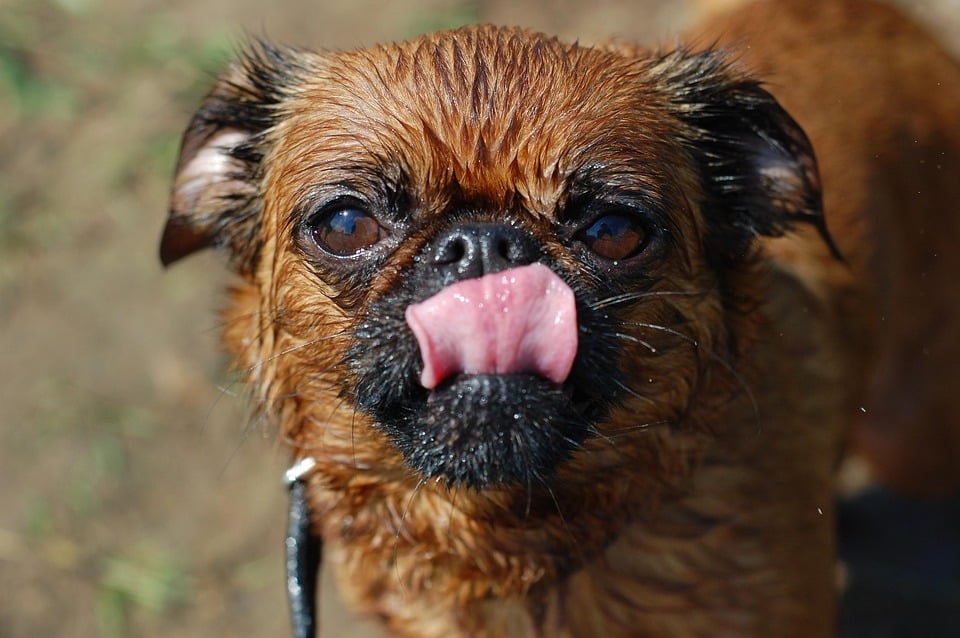
Brussels Griffon: The Charming Companion with a Big Heart
If you’re looking for a small dog that packs a ton of personality into a tiny frame, look no further than the Brussels Griffon. This delightful breed is known for its expressive face, intelligent eyes, and quirky charm. Let’s dive into the enchanting world of Brussels Griffons, covering their history, temperament, grooming needs, health consideration, and much more!
A Glimpse into History
The Brussels Griffon originated in Brussels, Belgium, in the 19th century. They were developed from a mix of several breeds, including the Affenpinscher and the Toy Bulldog. Initially bred as ratters, these dogs soon gained popularity as companion animals among the upper class. Today, they maintain their status as beloved pets, cherished for their loyalty and endearing behavior.
Temperament and Personality Traits
Brussels Griffons are known for their lively and affectionate nature. They are:
- Affectionate: These little companions thrive on love and enjoy being close to their owners.
- Intelligent: Highly trainable, they are quick learners but can sometimes be a bit stubborn.
- Playful: They have a playful side and love games that stimulate both their mind and body.
- Alert: This breed is often wary of strangers, making them great watchdogs despite their small size.
Ideal Households
Brussels Griffons are versatile when it comes to living situations. They adapt well to apartments and houses alike, as long as they receive regular exercise and attention. They can fit seamlessly into families, singles, and elderly households. However, they do flourish in settings where their human companions are around for most of the day.
Grooming Needs
Maintaining the mix of a Brussels Griffon’s charming coat and unique appearance requires regular grooming. Here’s what you need to know:
- Coat Type: They have two coat types—rough and smooth. The rough coat requires more grooming to prevent matting, while the smooth type is relatively low-maintenance.
- Brushing: Rough-coated Griffons need to be brushed at least two to three times a week, while smooth-coated ones can be brushed once a week.
- Bathing: Regular baths are necessary, roughly every month or when they get particularly dirty.
- Nail Clipping: Frequent nail clipping is important to avoid discomfort.
Health Considerations
Like all breeds, Brussels Griffons have specific health considerations. Common health issues include:
- Brachycephalic Airway Syndrome: Due to their short snouts, some Griffons may have difficulty breathing.
- Eye Problems: They are prone to certain eye conditions, including cataracts and dry eye.
- Hip Dysplasia: As they age, they can be susceptible to joint issues.
Regular veterinary check-ups can help catch potential health concerns early.
Training and Socialization Tips
Training and socializing your Brussels Griffon is essential for developing a well-adjusted pet:
- Start Early: Begin training and socializing your puppy as soon as you bring them home.
- Positive Reinforcement: Use treats and praises to encourage good behavior.
- Socialization: Expose them to various environments, people, and other pets to build their confidence and reduce anxiety.
- Short Sessions: Keep training sessions short and engaging. This breed has a limited attention span.
What is an emotional support animal (ESA)?
An Emotional Support Animal (ESA) is a pet that provides comfort and support to individuals facing emotional or psychological challenges. Unlike service dogs, which are trained to perform specific tasks, ESAs primarily offer companionship and can be any type of animal.
Benefits of Designating Your Pet as an ESA
Many people find that having a designated ESA greatly improves their emotional well-being. Some key benefits include:
- Comfort: ESAs provide a stable source of companionship and comfort during stressful times.
- Reduced Anxiety: The presence of an ESA can lower feelings of anxiety and panic in stressful situations.
- Increased Happiness: Many ESA owners report enhanced overall mood and increased feelings of joy.
Real-Life Example: Take Sarah, who’s struggled with anxiety and depression. She found that her Brussels Griffon, named Max, offered her a sense of unconditional love, helping her cope with daily challenges. Simply petting Max when she felt overwhelmed created a calming effect, allowing her to regain her composure.
Key Information
- Breed Overview: Brussels Griffons are affectionate, intelligent, and playful companions.
- Grooming: Regular grooming is essential, especially for rough-coated Griffons.
- Health Considerations: Be aware of potential respiratory and eye issues.
- Training: Early socialization and positive reinforcement are crucial.
- ESAs provide emotional support and comfort to their owners.
How Dogs and Cats Provide Emotional Support
The bond between humans and their pets has deep psychological roots. Here’s how pets contribute to emotional health:
- Oxytocin Release: Interacting with pets releases oxytocin, the “love hormone,” which helps reduce stress and promote feelings of connection.
- Routine and Responsibility: Caring for a pet can foster a sense of purpose and structure.
- Non-Judgmental Companionship: Pets provide a calming presence without judgment, allowing individuals to express their emotions freely.
FAQs about emotional support animals
-
What qualifies a pet to be an ESA?
- Any domesticated animal can be an ESA, as long as it provides emotional comfort.
-
Do ESAs require training?
- Unlike service animals, ESAs do not require specialized training, but basic obedience training is beneficial.
-
Can I bring my ESA everywhere?
- ESAs have different access rights than service animals. Check local laws regarding ESAs in public spaces.
-
What documentation is needed for an ESA?
- A letter from a licensed mental health professional is typically required for official designation.
-
Are there breed restrictions for ESAs?
- Generally, there are no restrictions, but it’s best to choose a breed that fits your lifestyle.
-
Do ESAs need to be registered?
- While some organizations offer registration, it’s not legally required. A letter from a mental health professional suffices.
-
Can I have more than one ESA?
- Yes, individuals can have multiple ESAs based on their emotional support needs.
Conclusion
If you’re considering adding a Brussels Griffon to your family or designating your pet as an Emotional Support Animal, you’re on the right track to enhancing your emotional well-being. The companionship and comfort that pets provide can be life-changing.
For pet owners seeking to make their furry friend an official ESA, look no further than Veripaw.org. Since 2012, Veripaw has been helping pet owners connect with licensed mental health professionals and obtain the necessary ESA documentation. They also offer high-quality pet accessories to keep your companion happy and healthy.
Take the first step toward emotional well-being. Visit Veripaw.org today!


