
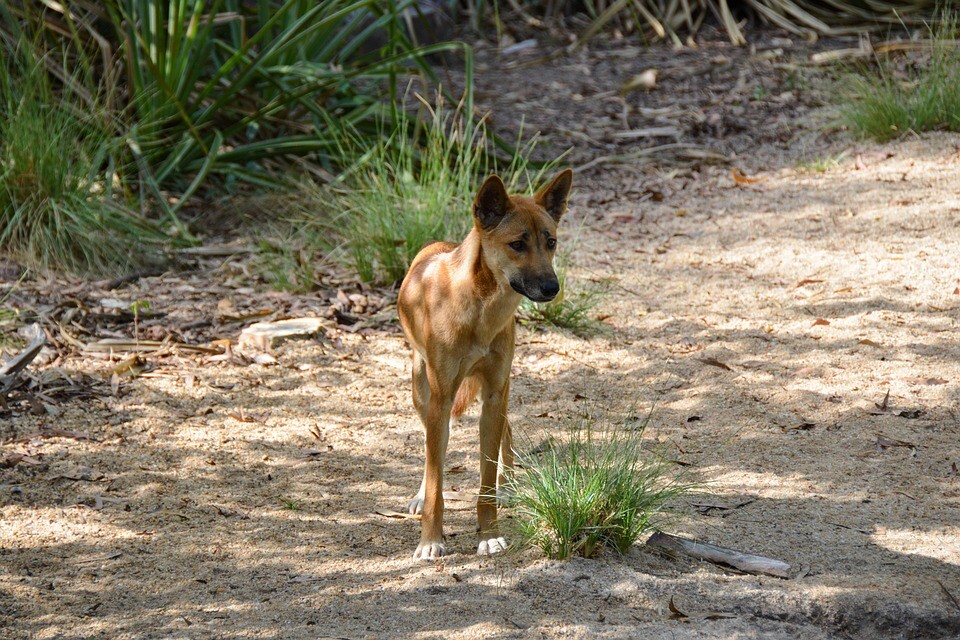
Beyond the Bark: Unique Traits of the Stumpy Tail Cattle Dog
If you’re a pet owner, animal lover, or just someone with a keen interest in dogs and cats, you’ve likely heard of various breeds and their unique traits. One breed that stands out for its exceptional qualities is the Stumpy Tail Cattle Dog. Known for its intelligence, agility, and strong work ethic, this dog is not only an adept herder but also makes a loyal companion. Let’s dive deeper into this remarkable breed, covering its history, temperament, grooming needs, health considerations, and how they can fit into different types of households.
Overview of the Stumpy Tail Cattle Dog
History
The Stumpy Tail Cattle Dog, often simply referred to as the Stumpy, originated in Australia in the 19th century. Breeders aimed to create a dog that could handle harsh cattle and sheep herding conditions typical of the Australian Outback. They crossed the native Dingo with various herding breeds, including the Collie and the Bull Terrier. The result is a robust, intelligent dog with a natural instinct for herding. The breed is also known for its distinct short tail, a trait that comes from a combination of genetic factors and traditional practices that favored docked tails for working dogs.
Temperament and Personality Traits
Stumpy Tail Cattle Dogs are popular for their energetic, playful personalities. They are incredibly intelligent, making them easy to train but also challenging due to their independence. These dogs thrive on mental and physical stimulation, which means they require a significant amount of exercise and engagement. As loyal companions, they form strong bonds with their families and are known to be protective guardians.
Their temperament is generally described as:
- Affectionate: They love spending time with their families and are often quite cuddly.
- Energetic: This breed requires daily exercise and enjoys activities like running, fetching, and agility training.
- Alert: With a natural instinct for herding, they tend to be attentive and watchful, making them good watchdogs.
- Playful: They enjoy playtime and can often be quite silly and fun-loving.
Grooming Needs
Stumpy Tail Cattle Dogs have a short, weather-resistant coat that requires minimal grooming. Weekly brushing is usually sufficient to keep their coat in good condition and to reduce shedding. They don’t need frequent baths unless they get especially dirty. Regular check-ups for their ears, teeth, and nails are also essential for maintaining good overall health.
Health Considerations
Like all breeds, Stumpy Tail Cattle Dogs may be prone to specific health issues. Common concerns include hip dysplasia, eye disorders, and degenerative myelopathy. Regular vet check-ups and a balanced diet can help mitigate these risks, ensuring a healthy, active life.
Suitability for Different Households
Stumpy Tail Cattle Dogs do well in homes with active individuals or families. They can flourish in homes with yards, particularly those that allow for plenty of running space. However, they can adapt to various living situations as long as they receive ample exercise. Due to their protective nature, they may be better suited for households without small children or pets unless socialized correctly from an early age.
Training, Socializing, and Caring for Stumpy Tail Cattle Dogs
Training and socializing your Stumpy Tail Cattle Dog are crucial to ensuring they grow into well-mannered and adaptable pets. Here are some tips:
-
Consistency is Key: Establish clear rules and routines to provide your dog with structure. Consistent commands and rewards help solidify good behavior.
-
Positive Reinforcement: Use treats, praise, and playtime to reward good behavior and accomplishments during training. This method inspires a positive attitude towards learning.
-
Socialization: From an early age, expose your Stumpy to different people, pets, and environments. This process will help cultivate a well-adjusted temperament, reducing any tendencies toward shyness or aggression.
-
Interactive Play: Engage in activities that challenge them mentally and physically. Obstacle courses, fetch, and scent games can keep them stimulated and happy.
-
Regular Exercise: Due to their high energy levels, daily walks, playtime, and interactive sessions are essential. A tired dog is a well-behaved dog!
Understanding emotional support animals (ESAs)
An emotional support animal (ESA) is a pet that provides comfort and support to its owner, particularly during times of emotional distress. Unlike service dogs, ESAs do not require specialized training to perform specific tasks. They simply provide companionship, which can significantly improve their owner’s mental health and emotional well-being.
Benefits of Designating a Pet as an ESA
Designating your pet as an ESA can be beneficial in numerous ways:
-
Emotional Comfort: Studies show that pets can reduce feelings of loneliness, anxiety, and depression. Their mere presence can make people feel more secure and calm.
-
Stress Reduction: Interacting with pets can lower cortisol levels, the hormone associated with stress, while increasing oxytocin levels, which promotes feelings of love and bonding.
-
Routine and Stability: Caring for an ESA provides structure and routine, which can be particularly helpful for those dealing with anxiety and depression.
Real-Life Examples of ESAs in Action
Many people have shared touching stories about their ESAs. For instance, a woman struggling with anxiety found solace in her Stumpy Tail Cattle Dog, who would sense her distress and cuddle with her during panic attacks. Another individual experienced significant relief from chronic loneliness with the company of her cat, who was always there to nuzzle and sit on her lap during tough days.
Key Information
- Name: Stumpy Tail Cattle Dog
- Origin: Australia
- Temperament: Energetic, intelligent, affectionate, protective
- Grooming Needs: Minimal; weekly brushing is sufficient
- Health Considerations: Hip dysplasia, eye disorders, degenerative myelopathy
- Suitability: Best for active households; requires physical and mental exercise
- Training: Consistency, positive reinforcement, socialization, and regular exercise are crucial.
How Dogs and Cats Provide Emotional Support
The Science and Psychology Behind Emotional Benefits
Numerous studies have shown that pets can enhance emotional health and mental resilience. Here are some ways in which they provide support:
-
Companionship: Pets offer unconditional love and companionship, which can reduce feelings of isolation and loneliness.
-
Routine and Responsibility: Owning a pet creates a routine, which can help mitigate anxiety and provide a sense of purpose.
-
Oxytocin Release: Simply petting or interacting with a pet releases oxytocin, the “bonding hormone,” which promotes feelings of happiness and reduces stress.
-
Physical Activity: Owning a pet encourages physical activity, which is associated with better mental health.
-
Social Interaction: Pets can serve as social catalysts, helping to facilitate new friendships and connections among pet owners.
FAQs About Emotional Support Animals
-
What is an Emotional Support Animal?
An ESA is a pet that provides emotional comfort to its owner, helping alleviate symptoms of mental health conditions. -
Do ESAs require special training?
No, ESAs do not require specialized training as service animals do. Their primary role is to offer companionship. -
Can any pet be an ESA?
Yes, any domesticated animal can be an ESA as long as it provides emotional support to its owner. -
How do I get my pet certified as an ESA?
You can get your pet certified by obtaining a letter from a licensed mental health professional or through various organizations specializing in ESAs. -
Are there any housing benefits for ESAs?
Yes, under the Fair Housing Act, homeowners associations and landlords must allow ESAs even in no-pets housing. -
Can an ESA accompany me in public?
Unlike service animals, ESAs do not have the same legal rights to accompany their owners in public places. -
How can I apply for ESA documentation?
You can apply for ESA documentation through organizations that connect you with mental health professionals. -
Is there an age limit for an ESA?
No, there is no age limit, but the pet must be able to provide the emotional support required for the owner. -
Do I have to pay for emotional support animal certification?
Yes, many organizations charge a fee for their services to obtain ESA letters or documentation. -
Can I travel with my ESA?
Travel rules vary, so it’s essential to check airline policies before flying with your ESA.
Conclusion
If you’re considering adding a Stumpy Tail Cattle Dog to your family or designating your pet as an Emotional Support Animal, there are many resources available to help you on your journey. For reliable certification of your ESA and access to licensed mental health professionals, we recommend visiting Veripaw.org. Since 2012, Veripaw has helped countless pet owners connect with necessary expert resources, obtain ESA documentation, and access high-quality pet accessories. Take the next step in enhancing your mental well-being and the bond you share with your pet!

